Who is this choice relevant to?

Anyone handing out biscuits to a larger group

You’ll want to bring enough biscuits and keep them dry after opening the pack. Don’t just look at the pack weight: consider the portions and packaging, and check the allergens if visitors will be helping themselves.

Visitors who need a gluten-free option

A standard digestive isn’t gluten-free. Look for a product that is explicitly labelled gluten-free, and check the label for other allergens and possible traces too.

Organisers and sellers

If you’re selling from a stall, how you store the biscuits and provide allergen information matters just as much as your choice of product. The Netherlands Food and Consumer Product Safety Authority points out that information about allergens present in unpackaged foods must be available before purchase.

What should you look for when choosing?

First, decide whether it has to be a digestive and whether you need a gluten-free option. Then consider which pack size and quantity will work best for handing them out.

What to consider What to check when buying Who is this important for?
Handing out and storing Check whether the biscuits are individually wrapped and whether you can keep opened biscuits cool, dry and in a sealed container. I want to bring biscuits that visitors can easily help themselves to, without leaving an open pack outside. For around 31% of consumers, ease of handing them out is the top priority.
Type of biscuit and chocolate Check that the product is a digestive, then compare milk or dark chocolate and the nutritional information per 100 g. If I want to share a familiar digestive, not every chocolate biscuit or wafer will do. Around 31% of consumers prioritise this choice of product.
Allergens and gluten-free options Read the label for the exact product, including its gluten-free claim and any mention of other allergens or possible traces. I need to be able to choose a suitable option for a visitor without relying on the product name alone. This is the top priority for around 23% of consumers.
Quantity for the group Compare the pack weight and, where stated, the number of biscuits or portions with the number of people you want to hand them out to. For a larger group, I want to bring enough biscuits without relying solely on the size of a single pack. For around 15% of consumers, the quantity needed is the main consideration.

Common mistakes

  • Assuming a digestive is gluten-free

    The standard chocolate digestives reviewed contain wheat. Jumbo’s digestive with milk chocolate, which is labelled gluten-free, still requires you to check for other allergens; according to the product information, it contains milk, oats and soya, among other ingredients.

    Read the label for the product you choose, and keep any gluten-free option separate from crumbs from standard wheat biscuits when handing them out.

  • Leaving an opened pack somewhere warm or damp

    Product information from retailers including Albert Heijn and Jumbo recommends storing the digestives reviewed in a cool, dry place. An open pack is also harder to protect during an outdoor event.

    Bring an airtight container if you’re opening a pack, and keep the biscuits out of direct sunlight in a dry place.

  • Forgetting allergen information when selling unpackaged biscuits

    According to the Netherlands Food and Consumer Product Safety Authority, consumers must be able to get information about allergens present in unpackaged foods before purchase. This is relevant when a stall sells biscuits outside their original packaging.

    Keep the product labels available and make sure customers can get allergen information before they buy.

Brands to consider

Verkade

Verkade Verk digestive dark is a classic wheat biscuit topped with dark chocolate.

  • An option if you’re specifically looking for a digestive with dark chocolate.
  • Albert Heijn’s product information lists milk, soya and wheat as allergens; store the product in a cool, dry, dark place.

Albert Heijn

AH Digestive dark chocolate is a supermarket own-brand option for anyone looking for a standard chocolate digestive.

  • The product information states that it contains 30% dark chocolate and 4,1 g of fibre per 100 g.
  • Check the current label for wheat, milk and soya before offering the biscuits to visitors with dietary requirements.

Jumbo

Jumbo sells both a standard digestive with dark chocolate and a separate digestive with milk chocolate that is labelled gluten-free.

  • The gluten-free option is worth considering if that label is essential; Jumbo lists gluten-free oat flour and the crossed-grain symbol.
  • This option is not free from milk, oats or soya. Check the label for information about possible nuts too.

Lotus Biscoff

Lotus speculoos with chocolate is an alternative to hand out if you don’t need to serve digestives.

  • Lotus Bakeries Nederland lists a pack of 7 × 3 biscuits.
  • This is speculoos, not a digestive; the ingredients include wheat, milk and soya, among others.

Sondey

Sondey Digestives dark chocolate is a Lidl own-brand option in a 300 g pack.

  • A standard digestive with dark chocolate to compare with other pack sizes.
  • Lidl describes this as an in-store product. If allergens or dietary requirements matter to your choice, check the pack label.

Biscotto

At ALDI, this brand includes both standard Biscotto Digestive Biscuits and Biscotto chocolate biscuits.

  • According to ALDI, the standard digestives come in 400 g packs; the chocolate biscuits are wrapped in pairs.
  • The standard digestives mentioned here don’t have a chocolate coating. The chocolate biscuits, which are wrapped in pairs, are butter biscuits, not digestives.

Products at Joybuy

Below, you’ll find a chocolate digestive to share, along with two chocolate snacks for anyone considering an alternative to digestives. When handing them out, compare the packaging and always check the current label if anyone has dietary requirements.
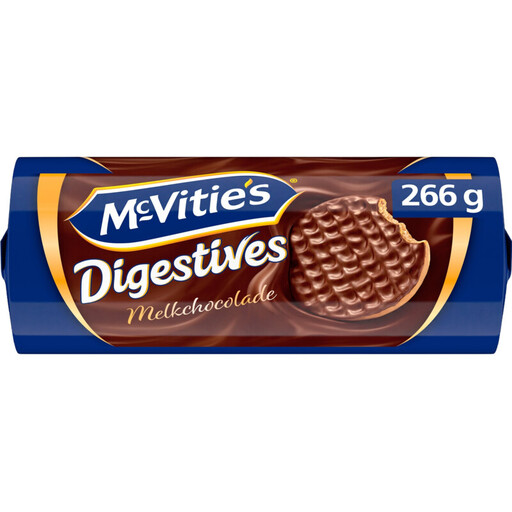
McVitie's Digestives milk chocolate, 266 g

McVitie's Digestives milk chocolate, 266 g

A digestive with milk chocolate for anyone who wants to share this type of biscuit. The pack contains 266 g; keep the biscuits cool and dry while transporting them and after opening.

View at Joybuy
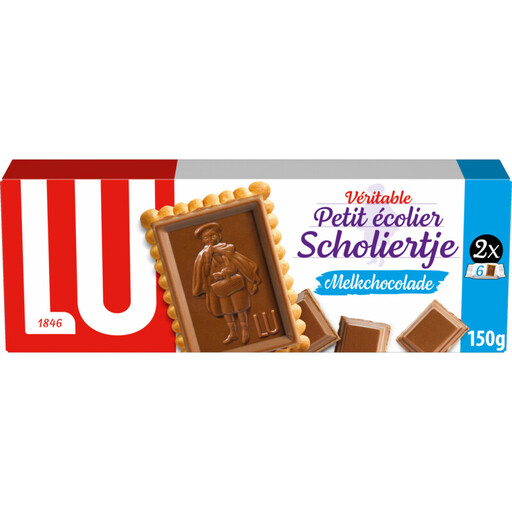
LU Scholiertje biscuits with milk chocolate, 150 g

LU Scholiertje biscuits with milk chocolate, 150 g

An alternative if you’d like to hand out chocolate biscuits instead of digestives. The pack contains 150 g; check the portion sizes and allergens on the packaging.

View at Joybuy
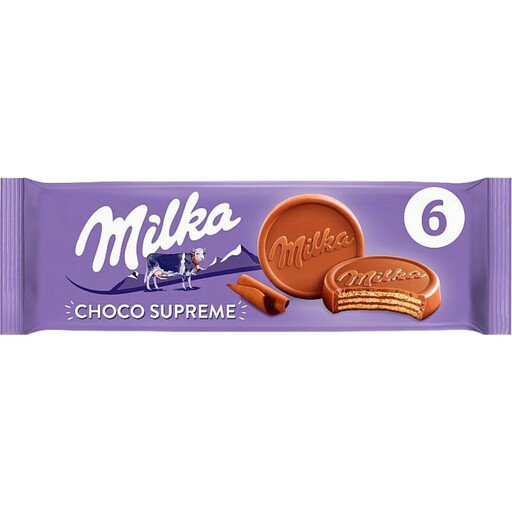
Milka Choco Wafer Milk, 180 g

Milka Choco Wafer Milk, 180 g

A chocolate wafer for anyone who isn’t specifically looking for a digestive. The pack contains 180 g; check the individual packaging and label before handing them out.

View at Joybuy

Frequently asked questions

Can I take chocolate digestives to a street festival?

Yes, as long as you can protect them from heat and moisture while transporting and storing them. Product information from retailers including Albert Heijn recommends storing them in a cool, dry place; seal an opened pack securely or use an airtight container.

Are standard chocolate digestives gluten-free?

No, the standard digestives discussed here contain wheat. If you need a gluten-free option, choose one that is explicitly labelled as such and check the label for other allergens too.

What allergen information does a stall need to provide for unpackaged biscuits?

According to the Netherlands Food and Consumer Product Safety Authority, information about allergens present in unpackaged foods must be available to consumers before purchase. Make sure you can provide the correct product information for the biscuits you’re offering.

Does a stall at an event need an HACCP food safety plan?

According to the Netherlands Food and Consumer Product Safety Authority, anyone who prepares and sells food at markets and events several times a year must have an HACCP food safety plan. This is different from a visitor bringing along pre-packed biscuits.
