
Coffee drinkers who want to serve straight away
A cracker with a chocolate coating can be served with coffee without any extra topping. The stated serving size helps you decide how many to put out per person.


Choose a cracker with a chocolate coating if you want something crunchy to serve with coffee or cake, without having to add a topping yourself. Compare the serving size, nutritional information and allergens on the packaging. With a plain cracker and your own topping, you can control how much chocolate you use, but it takes a little extra preparation.
A cracker with a chocolate coating can be served with coffee without any extra topping. The stated serving size helps you decide how many to put out per person.
If you’re serving cake too, you can compare the portions and nutritional information of different snacks. Check the sugars, saturated fat, fibre and salt, rather than looking only at the front of the pack.
Ingredients and allergens vary between products. Check the current packaging of the cracker you’re planning to buy, including any warnings about possible cross-contamination.
First decide whether you want a ready-made chocolate cracker or would rather add your own topping to a plain cracker. Then compare the serving size and label of the product you’re actually going to serve.
| What to consider | What to check when buying | Who it matters to |
|---|---|---|
| Ready to serve | Check whether the cracker has a chocolate coating and how many grams or pieces make up a serving. | If I want to serve something sweet with coffee straight away, I don’t want to top the crackers first; around 40% of shoppers put ease of serving first. |
| Nutritional information and serving size | Compare the nutritional information per 100 g and per serving, especially sugars and saturated fat. | If there’s cake on the table too, I want to know what one cracker adds to what I’m serving; for around 30% of shoppers, this comparison matters most. |
| Allergens and dietary requirements | Check the ingredients, listed allergens and any cross-contamination warnings on the current packaging. | If you have an allergy or dietary requirement, the specific product you choose needs to be suitable; around 30% of shoppers give this check top priority. |
A chocolate coating means the ingredients and nutritional information differ from those of a plain cracker. That’s worth bearing in mind if you’re serving cake too.
Check the nutritional information per serving and decide whether the cracker will be served alongside the cake or instead of it.
The vegan product claim for AH Havercracker chocolade doesn’t mean that this cracker is gluten-free or suitable for every allergy. Albert Heijn lists, among other ingredients, cereals containing gluten and soya.
Check the ingredients and allergens on the current packaging of the exact product, even if the front carries a dietary claim.
A title alone doesn’t tell you which ingredients, serving size and allergens apply to the product on offer.
Compare the product details before buying and check the packaging when it arrives, before serving the crackers.
AH Havercracker chocolade is a 160 g chocolate cracker. According to Albert Heijn, it contains 40% chocolate and provides four 40 g servings.
De Notenshop describes its Crispy crackers met chocolade as four crackers weighing 30 g each, with a chocolate coating.
Bolletje offers a range of crackers you can top yourself if you want to choose the amount and type of topping.
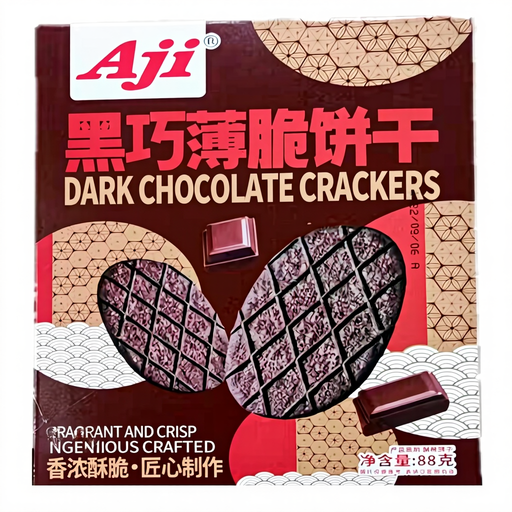
If you want to serve a chocolate cracker with coffee without adding your own topping, the 88 g Aji Black Cracker is listed below. Check the packaging if serving size, nutritional information or allergens are important to your choice.
 No image available
A handy choice with coffee if you want to serve a chocolate cracker without adding your own topping.
Pack size: 88 g. Check the packaging to see how many pieces make up a serving, and read the nutritional information and allergen details before you choose.
Yes. Check the current packaging of the exact product, especially if you have an allergy or dietary requirement. The Netherlands Food and Consumer Product Safety Authority requires legally specified allergens to be listed on the label; also look for any warnings about possible cross-contamination.
This kind of warning indicates possible cross-contamination; it doesn’t automatically mean milk or sesame has been deliberately added as an ingredient. Check both the ingredients list and the warning on the current packaging.
Follow the storage advice on the packaging and seal it properly after opening. For the products described, Albert Heijn and De Notenshop recommend storing them in a cool, dry, dark place.
Compare the portions you plan to serve and check the nutritional information for both products. The Netherlands Nutrition Centre recommends reading the ingredients and nutrition table too, rather than relying only on claims on the front of the pack.