
If you want to serve something straight away
You want to serve a sweet cracker with coffee without any preparation. A chocolate-coated oat cracker is a better fit than a plain cracker that needs a topping.


Choose a chocolate-coated oat cracker if you want something sweet to serve with coffee, with no preparation. If you’d like guests to choose how much chocolate or which other topping they have, choose a plain cracker and serve the chocolate separately. For either option, check the current packaging for ingredients and allergens; making your own also takes extra preparation.
You want to serve a sweet cracker with coffee without any preparation. A chocolate-coated oat cracker is a better fit than a plain cracker that needs a topping.
You want guests to choose their own toppings. A plain cracker makes a good base, and you can serve the chocolate separately.
You’re buying for guests who need to consider ingredients or possible cross-contamination. Before serving, read the allergen information on the packaging of every product you use.
Choose this option: if you want to serve a sweet cracker without any further preparation.
Bear in mind: the coating is fixed, and the current allergen information must be suitable for your guests.
Choose this option: if guests should be able to choose their own topping and how much chocolate they have.
Bear in mind: you’ll need separate ingredients and more time to get everything ready.
| What to consider | What to check when buying | Who it matters to |
|---|---|---|
| Ready to serve | Check the product name and ingredients list to confirm that the cracker actually contains chocolate. | I want to be able to put something sweet on the table as soon as the coffee is made. Around 31% of consumers prioritise being able to serve it straight away. |
| Allergens | Read the allergen information on the packaging you buy, including any warnings about possible cross-contamination. | If a guest needs to avoid certain ingredients, I want to know whether I can serve them this cracker. Suitability for guests is the main concern for around 31% of consumers. |
| Toppings and portions | Choose a cracker that works with sweet toppings if you’re serving the chocolate separately. | Everyone at the table should be able to choose how much chocolate goes on their cracker. This flexibility matters most to around 23% of consumers. |
| Nutritional value | Compare the nutritional information per 100 g and, where provided, per portion; pay attention to sugars and saturated fats. | I want to be able to weigh up how much I serve against the nutritional value of the specific product. This is the top priority for around 15% of consumers. |
A cracker in the same shop aisle or range won’t necessarily have a chocolate coating. OnOats lists dark chocolate couverture as an ingredient in its dark chocolate oat cracker.
For the variety you choose, check both the product name and the ingredients list for chocolate.
Albert Heijn warns that ingredients, nutritional values and allergen information can change. That’s why the packaging of the product you buy is important when serving guests with allergies.
Just before serving, read the ingredients and allergen information on that packaging.
Having oats or a cracker base doesn’t automatically make a product suitable for a particular dietary goal. The Netherlands Nutrition Centre warns against making health assumptions based on chocolate.
Compare the nutritional information and portion size of the products you’re considering, without treating these as a health verdict in themselves.
A plain mini cracker isn’t the same product as a chocolate-coated cracker. The range may also vary by shop or over time.
Check the exact variety when you shop. A plain cracker with chocolate on the side is another way to serve it if you want to put together your own snack.
Albert Heijn lists an AH Oat Cracker Chocolate 3-pack alongside plain crackers.
Bolletje has crackers in its range.
Van der Meulen describes Melba Crackers Original as thin crackers for sweet or savoury toppings.
Jumbo has a range that includes crackers and other breakfast products.
Lidl lists mini crackers in varieties including olive and oregano, wholegrain and sea salt.
ALDI lists crackers with linseed as part of its range.
This Joybuy cracker is for serving with chocolate or another sweet topping on the side, not for choosing a ready-made chocolate-coated cracker.
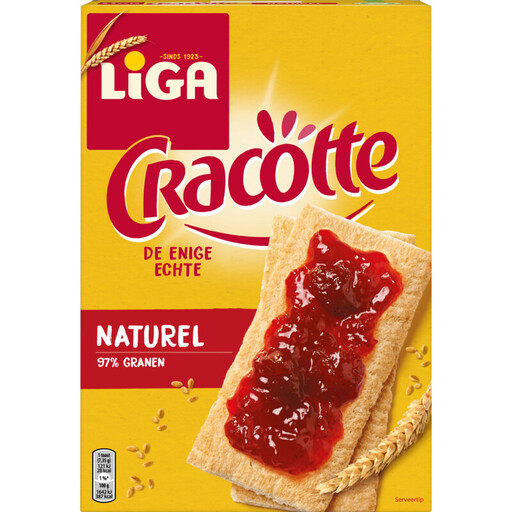 No image available
A cracker to pair with a sweet topping for coffee; chocolate isn’t included, so you’ll need to prepare it separately.
Pack size: 250 g. If you’re serving guests with allergies, check the current packaging for ingredients and allergens.
Check that chocolate is mentioned in both the product name and the ingredients list. For example, OnOats lists dark chocolate couverture as an ingredient in its dark chocolate oat cracker; a general description such as “cracker” doesn’t confirm a coating.
Read the allergen information on the packaging of the exact product you’re serving. Veldt lists gluten, oats and soya among the ingredients in its Havercracker Original Choco, as well as possible traces of other cereals and milk. If you’re adding your own topping, check that separately too.
No. An ingredients list tells you what has gone into the product; a traces warning relates to possible cross-contamination. If you have an allergy, check both on the current packaging.
Follow the use-by date and storage instructions on the packaging of the crackers you buy. If you’re serving chocolate separately, follow the instructions on its packaging too.
No. Having oats in the product name doesn’t in itself tell you whether it’s healthy. For the products you’re considering, compare the ingredients, portion size and nutritional information, including sugars and saturated fats.