
Vandaag of morgen in huis

Kwaliteit gegarandeerd

Welkomstaanbiedingen ontgrendelen: GRATIS bezorging | Tot 80% korting | Gratis 30 dagen JoyPlus-proefperiode
Download de app
A delicious chocolate cookie can make your day that much better. Whether it's a snack for the kids, a treat for the office, or just a little something for yourself with your coffee. But the store shelves are packed with options, and not every choice is a winner. Sometimes, beautiful packaging leads to disappointment. This guide will help you see past the marketing and make a choice that's right for you.
Before you put a pack of cookies in your basket, it's wise to be aware of a few common letdowns.
You don't need to be an expert in reading ingredient lists to make a good choice. Pay attention to the following three points, and you'll be far more informed.
Look on the packaging for terms like milk chocolate, dark chocolate, or white chocolate. These terms usually indicate the use of real cocoa butter. If it says 'compound chocolate' or 'cocoa-flavored coating', you're likely dealing with a product based on vegetable fat. A higher cocoa percentage in milk or dark chocolate cookies generally leads to a more intense chocolate flavour.
The cookie experience depends heavily on its texture. Think about what you'll be using it for:
The packaging tells you a lot about its intended use.
Based on clear product features, we've selected a few popular choices that fit different situations.
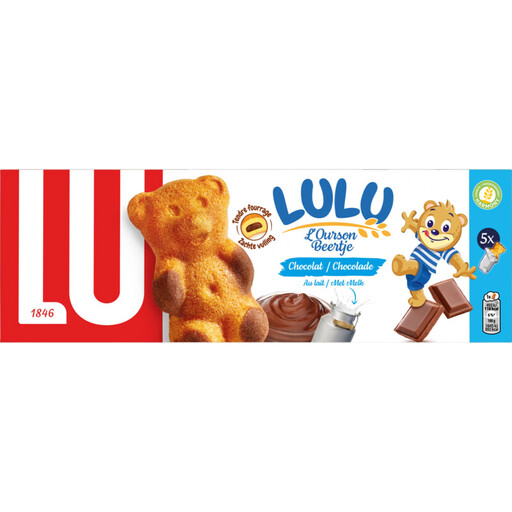
Why This Fits Their Persona: These soft, bear-shaped cakes are a hit with kids. They are individually wrapped, making them easy to pack in a school bag or as an on-the-go snack.
The individual packaging is functional and hygienic, avoiding the 'inconvenient packaging' pitfall. Expectations are set clearly: this is a soft cake, not a crispy biscuit.
The portion control is ideal for children, and the soft texture makes it easy to eat. The filling is made with chocolate and milk.
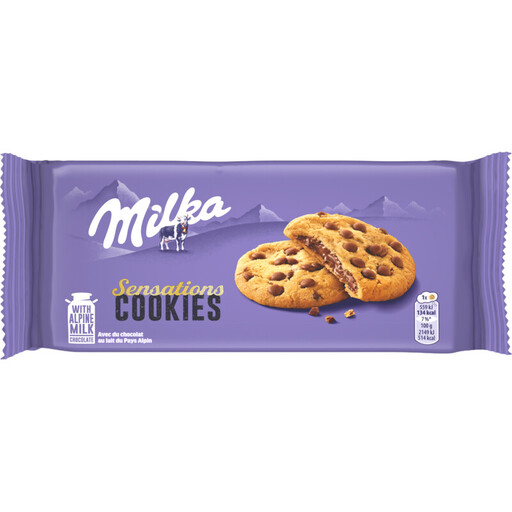
Why This Fits Their Persona: This is a cookie for a true moment of indulgence. Crispy on the outside with a soft core of Milka milk chocolate that gets even more delicious when you warm it up in the microwave for a few seconds.
This product bypasses the 'compound chocolate' pitfall by specifying that it contains an Alpine milk chocolate filling. The packaging is honest about the contents: a cookie with a soft centre.
The combination of a crispy exterior and a soft, warm core is unique. The use of recognisable Milka chocolate is a good indicator of its flavour quality.
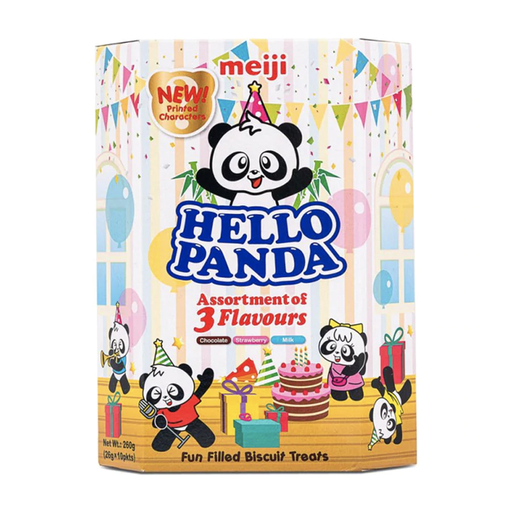
Why This Fits Their Persona: If you need a treat for the office, a birthday party, or just want a varied supply on hand, this party pack is a practical choice. It contains filled biscuits with chocolate, strawberry, and milk flavours.
This pack solves the 'boring flavour' pitfall by offering variety. The name "Party Pack XL" clearly indicates it's a large pack for multiple people, managing expectations effectively.
The variety of flavours ensures there's something for everyone. The small, filled biscuits are easy to eat without making a mess.
We have compiled a complete, up-to-date list of products that meet these objective selection criteria and comply with current regulations.
To prevent chocolate cookies from going soft and to stop the chocolate from developing a white film (bloom), it's best to store them in a cool, dry place away from direct sunlight. Once opened, an airtight cookie jar or container is the best way to keep them fresh.
By law, real chocolate must contain cocoa butter. Compound chocolate replaces this cocoa butter with other, often cheaper, vegetable fats. This affects the flavour and melting point. Real chocolate melts in your mouth, whereas compound chocolate can sometimes leave a waxy feeling. You can check for this by looking for "cocoa butter" on the ingredients list.
Individually wrapped cookies are practical for portion control and hygiene, for example, when handing out treats at school or a sports club. The downside is the larger amount of packaging waste. The choice depends on what you prioritise: convenience or environmental impact.
