Who might this choice be relevant for?

Older people who want chocolate with their coffee

For anyone who may care more about the chocolate than the type of toast. Decide in advance whether a chocolate biscuit would also fit the bill: Albert Heijn describes Bolletje Chonelly as a biscuit with milk chocolate.

Older people who want a crunchy piece of toast to top

For anyone who wants thin Melba toast as a starting point and would rather choose the topping separately. Also check whether the dry, crunchy texture is comfortable to eat.

Older people who need to pay particular attention to texture or nutrition

If chewing, swallowing, appetite or a specific diet is a consideration, there’s more to think about than the taste of a coffee-time snack. Consider the texture and ingredients, and how the snack fits into the day’s diet.

What should you look for when choosing?

Melba toast with a separate topping

A good fit if: the toast itself matters and it doesn’t need to have a chocolate coating.

Bear in mind: Melba toast stays dry and crunchy, so check whether that texture is suitable for the person eating it.

Biscuit with chocolate

A good fit if: chocolate matters more than the type of toast, and a different product category is acceptable.

Bear in mind: a biscuit isn’t toast. Compare the portion size and nutritional information on the packaging too.

What to consider What to check when buying Who it matters to
Chocolate and product type Check whether the packaging says toast or biscuit, and whether the chocolate is a coating or a separate topping. Anyone who wants chocolate with their coffee but also cares about the type of toast will want to know what they’re serving. For around 40% of consumers, choosing a chocolate-focused option comes first.
Crunchy texture Consider the dry texture in relation to the person’s ability to chew and swallow. If a crunchy piece of toast is difficult to eat, comfort during the coffee break takes priority over the chosen flavour. Texture matters most to around 30% of consumers.
Overall daily diet Compare the nutritional information per 100 g and per portion, and consider the snack alongside the rest of the day’s meals. Anyone keeping an eye on their overall daily diet will want to consider more than just a coffee-time snack in isolation. For around 20% of consumers, this broader nutritional consideration is the main priority.
Allergens and ingredients Check the current ingredients list, allergen information and any ‘may contain’ warnings. If certain ingredients need to be avoided, the label will help determine whether a piece of toast or a biscuit is suitable. This check is the top priority for around 10% of consumers.

Common mistakes

  • Mistaking a chocolate biscuit for toast coated in chocolate

    Albert Heijn describes Bolletje Chonelly as a biscuit with milk chocolate. It’s a different type of product from Melba toast, even if both are eaten with coffee.

    Read the product description and decide whether a biscuit is an acceptable alternative before choosing based on a photo or search term.

  • Choosing crunchy toast without considering the texture

    The dry, crunchy texture of Melba toast may be unpleasant for someone who has difficulty chewing or swallowing.

    Ask what texture is comfortable to eat. If someone has swallowing difficulties, don’t assume toast will automatically be a suitable snack.

  • Comparing treats in isolation

    According to the Netherlands Nutrition Centre, older people need enough energy, nutrients and fluids. Choosing between toast and a biscuit, by itself, says little about someone’s diet for the whole day.

    Consider the portion and topping alongside the other meals and snacks. If you’re concerned about unintended weight loss or possible malnutrition, contact your GP.

  • Assuming every type of toast contains iodine

    According to the Netherlands Nutrition Centre, bakers aren’t required to use baker’s salt. So you can’t tell from the product category alone whether baker’s salt has been used.

    Check the ingredients on the label, or ask the manufacturer or baker.

Brands to consider

Van der Meulen

Melba toast for anyone looking for a base to add their own topping.

  • Jumbo lists plain, multigrain and wholemeal varieties. For the multigrain and wholemeal varieties, Jumbo gives the fibre content as 7.5 g and 9.7 g per 100 g respectively.
  • These are plain toast varieties, not toast coated in chocolate. Check the current label if ingredients or salt content are important to your choice.

Bolletje

Worth considering if a biscuit with chocolate would also suit your coffee break.

  • Albert Heijn describes Bolletje Chonelly as a biscuit with milk chocolate.
  • Chonelly isn’t toast. Check the nutritional information and allergen details on the current packaging.

Sun Snacks

Plain toast as a base for a coffee break with your own choice of topping.

  • ALDI lists Sun Snacks Toast and Melba toast in its range.
  • Check the packaging of your chosen variety for ingredients, nutritional information and allergens; don’t assume it has a chocolate coating.

Chocolate snacks as an alternative to toast

These Joybuy products are suited to a coffee break where chocolate matters more than the type of toast. They’re biscuits, not toast coated in chocolate. If chewing or swallowing is a concern, consider the texture of a crunchy snack separately.
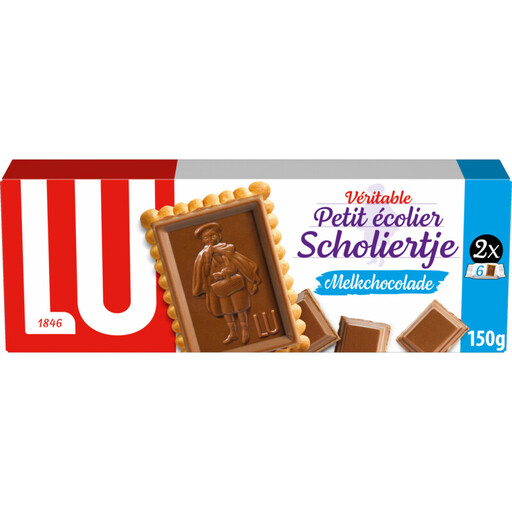
Lu Scholiertje Milk Chocolate Biscuits 150 g

Lu Scholiertje Milk Chocolate Biscuits 150 g

For anyone who would prefer a milk chocolate biscuit with their coffee instead of toast. The pack contains 150 g; compare the portion size and nutritional information on the current label for a single snack.

View at Joybuy
Glico Pocky Cookie Bar Chocolate Flavor 47g IN

Glico Pocky Cookie Bar Chocolate Flavor 47g IN

For anyone happy to have a chocolate snack instead of toast. This variety is labelled 47g IN; check the portion size and current label, and consider whether the crunchy texture is comfortable to eat.

View at Joybuy

Frequently asked questions

Is a chocolate biscuit the same as toast coated in chocolate?

No, a biscuit is a different type of product from toast. Albert Heijn describes Bolletje Chonelly as a biscuit with milk chocolate. If you specifically want a piece of toast, check the product description for that category.

Is crunchy Melba toast suitable for someone who has difficulty chewing or swallowing?

It depends on what that person can eat comfortably and safely. Melba toast is crunchy, so choose a texture that suits the person. If they have swallowing difficulties, ask a healthcare professional for advice.

Should I focus on fibre or chocolate when choosing something to have with coffee?

Consider the snack as part of the day’s diet and the person’s individual circumstances. The Netherlands Nutrition Centre highlights the importance of enough energy, nutrients and fluids for older people. If there’s unintended weight loss or possible malnutrition, an assessment by a GP is more important than a general comparison of snacks.

Does toast automatically contain iodine from baker’s salt?

No, you can’t tell from the word ‘toast’ alone. According to the Netherlands Nutrition Centre, bakers aren’t required to use baker’s salt. Check the label, or ask the manufacturer or baker.

Which allergens should I check in toast and chocolate biscuits?

Check the allergen information for the specific variety on the current packaging. According to the ingredients list, the Van der Meulen Melba Toast Naturel listed by Jumbo contains wheat, barley and soya. Don’t assume a chocolate biscuit has the same ingredients.
