
Parents looking for a relaxed mealtime
If a child eats very little or refuses food, how it’s offered matters more than a sweet coating. The Netherlands Nutrition Centre recommends serving a small portion and not forcing them to eat.


Don’t rely on chocolate-coated toast as a regular mealtime solution for a fussy eater. The Netherlands Nutrition Centre recommends offering small portions without pressure when a child doesn’t want to eat. Plain toast or a cracker with toppings served separately lets you choose the portion and flavour independently. A chocolate version is better suited to a planned sweet treat, with the ingredients and portion size checked on the packaging.
If a child eats very little or refuses food, how it’s offered matters more than a sweet coating. The Netherlands Nutrition Centre recommends serving a small portion and not forcing them to eat.
Chocolate may be a familiar flavour, but it doesn’t need to be a regular part of every meal or snack. For children’s snacks, the Netherlands Nutrition Centre distinguishes between everyday choices and sweet products such as biscuits and sweets.
If you often replace bread with toast or crackers, you can’t tell from the product name which salt has been used. The Netherlands Nutrition Centre points out that not all bread is made with iodised baker’s salt.
First decide whether you’re looking for something to serve with a meal or as a sweet snack. For a meal, a plain base with toppings served separately gives you the flexibility to start small. Then check the ingredients of the specific product.
| What to consider | What to check before buying | Who it matters to |
|---|---|---|
| A relaxed mealtime | Choose a base that you can serve in a small portion and add toppings to separately if you wish. | If my child loses interest quickly, I want to be able to start small without pressuring them. For around 40% of consumers, a relaxed approach comes first. |
| The role of chocolate | Decide whether the product is for a meal or a sweet snack; compare the nutritional information per 100 g and per portion on the packaging. | For an everyday lunch, I don’t want chocolate to dictate the flavour of every bite. A flexible base matters most to around 30% of consumers. |
| Ingredients | Read the ingredients and allergen information. If you regularly eat this instead of bread, check which salt is listed. | If toast often replaces bread or an allergy is a consideration, I want to know exactly what this particular version contains. This is the most important factor for around 30% of consumers. |
A familiar sweet flavour doesn’t change how a meal is offered. For a child who doesn’t want to eat, the Netherlands Nutrition Centre recommends small portions without pressure. It also advises offering young children sweet products such as biscuits and sweets occasionally rather than every day.
Start with a small portion and, where possible, serve toppings separately. Don’t make chocolate a condition of sitting down to eat.
According to the Netherlands Nutrition Centre, not all bread is made with baker’s salt. The name ‘toast’ doesn’t tell you which salt has been used in the product either.
Check the ingredients on the packaging if toast regularly replaces bread. Consider your overall diet rather than focusing on this one substitution.
Plain toast, crackers and chocolate-coated versions are different products. The category name alone tells you nothing about the ingredients, allergens or nutritional value of a specific product.
Before buying, check the current ingredients list, allergen information, nutritional information and portion size for the exact version you’ve chosen.
Bolletje lists rusks and crackers in its range. These categories may be worth considering if you want to choose the toppings yourself.
Jumbo’s toast range includes products such as Mini Crackers Naturel and crispy toast.
Jumbo lists Van der Meulen Melba Toast Naturel as a toast product. Melba toast is a different type of product from chocolate-coated toast.
These crispbreads, crackers and rice toasts are options if you’re looking for a plain base with toppings you can choose separately. They aren’t chocolate-coated toast products, so check the product type and packaging when making your choice.
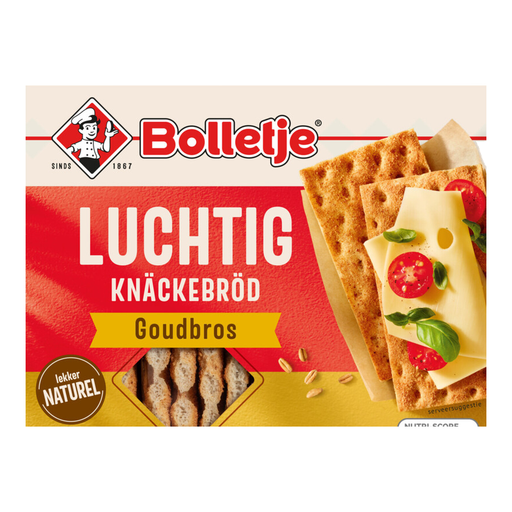 Image unavailable
A crispbread to use as a base with toppings of your choice, instead of a fixed chocolate coating.
Check the ingredients and allergens on the packaging. If this product often replaces bread, also check which salt has been used.
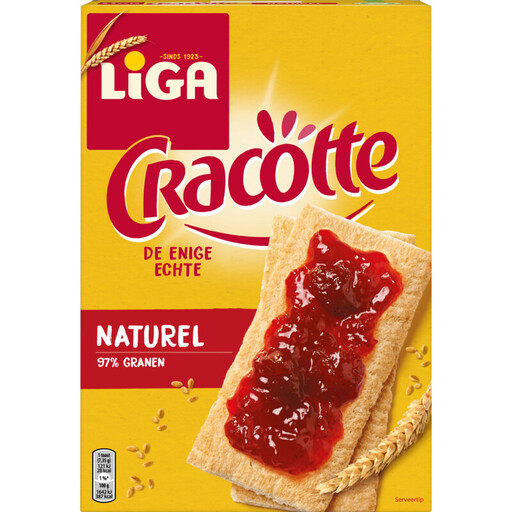 Image unavailable
These crackers are suitable for a mealtime when you want to offer a small portion and choose the toppings separately.
Compare the nutritional information and check the ingredients and allergens for this version on the packaging.
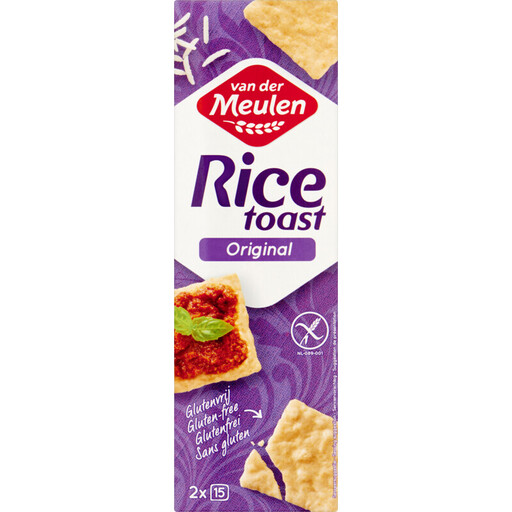 Image unavailable
This plain rice toast is a toast-style base without a fixed chocolate coating.
If you have an allergy, carefully check the current packaging, especially the information about sesame and soya.
Not as a regular mealtime solution. For children who don’t want to eat, the Netherlands Nutrition Centre recommends small portions and no pressure. A base with toppings served separately lets you adjust the portion without making chocolate a condition of eating.
Start with a small portion and offer more if your child wants it. The Netherlands Nutrition Centre advises against forcing a child to eat more.
No, you can’t tell from the product name. According to the Netherlands Nutrition Centre, not even all bread is made with baker’s salt. So check the ingredients for the specific toast or cracker, especially if it regularly replaces bread.