What should you look for when choosing?
First decide whether the canteen wants to serve a ready-made product, combine separate components or prepare chocolate toast on site. Then check the information for the exact products and serving format you’ve chosen.
Ready-made chocolate-coated toast
When: if you can assess a specific product with this coating, packaging and suitable label information.
Consider: plain toast and a chocolate toast recipe don’t confirm that a ready-made product of this kind is available.
Toast with chocolate spread served separately
When: if the canteen wants to buy and serve toast and spread as separate components.
Consider: both components need to be managed, and the allergen information provided when serving must cover them together.
Freshly made chocolate toast
When: if you have the equipment and time to prepare the toast in the canteen.
Consider: preparation and cleaning add to the workload; remember to account for allergens in all the ingredients used.
| What to consider |
What to check before buying |
Who it matters to |
| Allergens when serving |
Check the allergen information for the toast and all additions; decide how that information will be made available when serving unpackaged products. |
If I combine toast and chocolate spread, I want to be able to explain which allergens are in the product being served. For around 40% of consumers, this information at the point of serving is their top priority. |
| Product format and preparation |
Check whether the product is ready to serve or whether you’ll need ingredients, equipment and time to prepare it. |
When there’s little time for preparation, I don’t want to mistake a recipe for a product that’s ready to serve. Simple serving is the main concern for around 30% of consumers. |
| Type of bread and nutritional information |
Compare the type of bread and nutritional information; if you have a question about iodine, check whether baker’s salt is listed among the ingredients. |
If chocolate toast is part of lunch, I want to know what type of toast I’m serving without making assumptions based on its name. For around 30% of consumers, assessing this lunch component is a key consideration. |
Melba toast for serving with chocolate spread
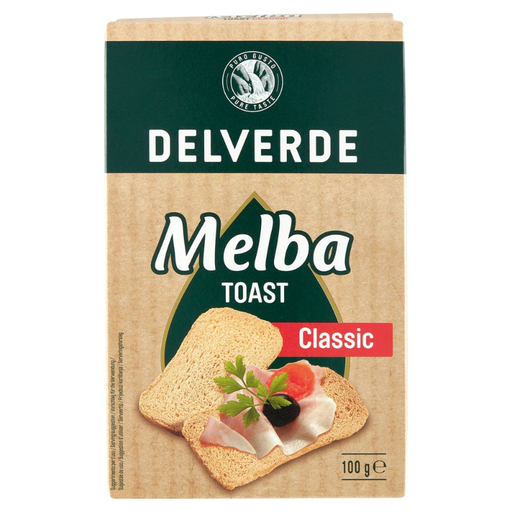
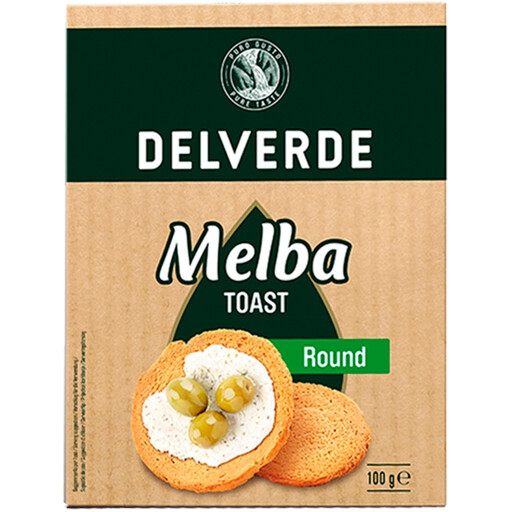
These Joybuy products are Melba toast to use as a base for a canteen snack with chocolate spread served separately. They aren’t ready-made chocolate-coated toast; assess the spread and the information for the combined product separately.
 No image available
Delverde Classic Melba Toast 100 g
A Melba toast base for canteens that want to serve chocolate spread separately; check the allergen information for both components before serving.
Weight: 100 g. Check the packaging if wholemeal status, baker’s salt or portion size matters to your choice.
View at Joybuy
 No image available
Conimex Delverde Melba Toast Round 100 g
Round Melba toast as a base for separately served chocolate spread; make sure the allergen information provided when serving covers all the ingredients used.
Weight: 100 g. Check the packaging for wholemeal status, the use of baker’s salt and portion size if these affect your canteen planning.
View at Joybuy
Frequently asked questions
Does a canteen have to provide allergen information for unpackaged chocolate toast?
Yes. Consumers must also be given allergen information for unpackaged chocolate toast. The Netherlands Food and Consumer Product Safety Authority explains that this information must be provided in a different way from the label on a prepacked product. If you make the toast yourself, include all the ingredients used.
Does toast always contain iodine from baker’s salt?
No. The name ‘toast’ doesn’t tell you whether baker’s salt has been used. According to the Netherlands Nutrition Centre, bakers aren’t required to use this salt, so check the ingredients for the exact product or ask the supplier.
Is Lidl’s chocolate toast recipe a ready-made snack?
No. Lidl describes a recipe using ingredients including bread and chocolate, not a chocolate-coated toast snack that’s ready to serve. For a ready-made product, you’ll need the product information for that specific item.
What should you check on a packaged toast product for the canteen?
Check the ingredients, allergens, nutritional information, quantity, best-before date and any storage instructions for the product you’ve chosen. The Netherlands Food and Consumer Product Safety Authority explains the information on labels for prepacked foods; if you’re serving toast with a separate topping, you should also check the information for that topping.


