
Host looking for a sweet touch
You’d like to serve chocolate, but want to check whether the product on offer is really chocolate-coated toast or a separate biscuit, wafer or dessert product.


For a dinner party, don’t assume chocolate-coated toast is a standard supermarket range: Albert Heijn and Jumbo list savoury options in their toast categories. Choose your toast to suit your toppings, and set a chocolate product aside if you’d also like to serve something sweet. If you find a chocolate-coated product, check its full name and ingredients: a chocolate biscuit or wafer isn’t toast.
You’d like to serve chocolate, but want to check whether the product on offer is really chocolate-coated toast or a separate biscuit, wafer or dessert product.
You want to serve a variety of toppings. In that case, the shape, flavour and pack size of the toast matter more than the search term you started with.
You’re buying for guests with an allergy or coeliac disease, so you check the current ingredients, allergens and any cross-contamination warnings for every product you choose.
Choose this if: you want to make small savoury bites with a toast base that works well with your chosen toppings.
Bear in mind: melba toast, party toast and mini crackers vary in shape and flavour; none of these product names means the toast is chocolate-coated.
Choose this if: you’d like to offer a sweet finish or chocolate snack alongside the savoury toast.
Bear in mind: a chocolate biscuit or wafer isn’t chocolate-coated toast; check the ingredients and allergens of both items separately.
When shopping for a dinner party, it helps to decide first what role the toast and any chocolate product will play. Then check the details that matter to your guests for each product.
| What to consider | What to check when buying | Who it matters to |
|---|---|---|
| Exact product type | Read the full product name and ingredients: is it toast with a chocolate coating, or a biscuit or wafer? | If I specifically want to serve chocolate-coated toast, I don’t want to accidentally buy a different kind of snack. This is the top priority for around 31% of consumers. |
| Toast shape and flavour | Choose a plain or seasoned variety, and check its shape and pack size against the toppings you want to serve. | I want different toppings to sit well on the toast without the toast overpowering them. This is the main concern for around 31% of consumers. |
| Allergens | Check the current ingredients, highlighted allergens and any cross-contamination warnings for each product. | If a guest needs to avoid certain ingredients, I want to know what’s in both the toast and the sweet product. Around 23% of consumers prioritise this check. |
| Nutritional information | Compare similar products per 100 g; check the ingredients list if the type of salt used matters to your choice. | I want to compare the nutritional values of similar types of toast side by side, rather than assume they all contain the same amount of salt. This is the main concern for around 15% of consumers. |
Albert Heijn and Jumbo’s toast categories include products such as melba toast, party toast and mini crackers. A search term alone doesn’t turn a chocolate biscuit into a toast product.
Check the full product name, category and ingredients before deciding whether a product is right for your plans. Savoury toast and a separate chocolate product can also be two different items to buy.
A plain variety from Van der Meulen lists wheat, barley and soya, and may contain sesame and milk. That doesn’t tell you which ingredients are in other varieties.
Read the current label on every pack you buy. If a guest needs to eat gluten-free, don’t rely on the name ‘melba toast’: check the product’s explicit description and allergen information.
You can’t tell from the product category whether a toast product is made with baking salt or iodised salt.
If the type of salt used matters to your shopping choice, check the ingredients list or ask the manufacturer.
Toast shapes and pack sizes can vary. There’s little point comparing a small melba toast with a larger party toast if they’ll be served in different ways.
First choose products you plan to serve in the same way. Then compare pack sizes and, for nutritional values, the information per 100 g.
Melba toast in small, crisp shapes for savoury bites.
Party toast and snack cups for a range of savoury serving options.
Own-brand regular toast and mini crackers for savoury bites.
Own-brand options include melba toast, party toast and snack cups.
These Joybuy products are chocolate biscuits or wafers that you can serve separately from savoury toast. They aren’t chocolate-coated toast, so choose them only if a separate sweet snack suits your dinner party.
 Image unavailable
A chocolate biscuit stick to serve as a separate sweet snack alongside savoury toast, not as a substitute for chocolate-coated toast.
47 g pack. If you’re buying for guests with allergies, check the current label; the product information lists wheat, milk and soya, and may contain traces of egg, almond and sesame.
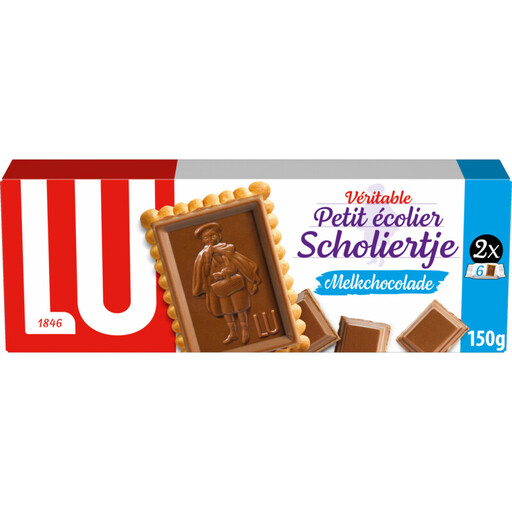 Image unavailable
A chocolate biscuit to serve separately from your party toast; it isn’t toast with a chocolate coating.
150 g pack. The product information lists milk, wheat and soya, and may contain traces of nuts; check the current packaging if you have allergies.
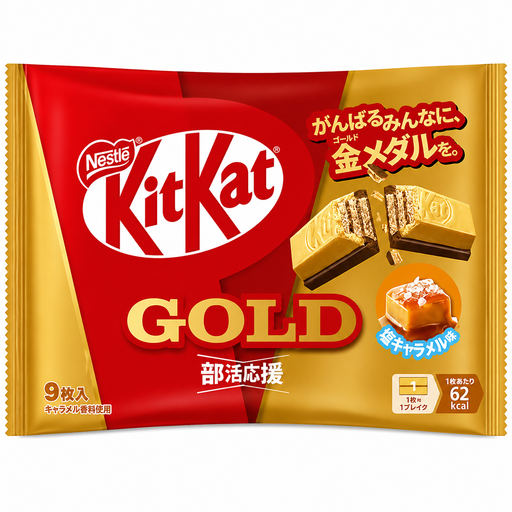 Image unavailable
A chocolate wafer to serve as a separate sweet treat, not as chocolate-coated toast.
The product name states that the pack contains 9 pieces. The product information lists wheat, milk and soya, and may contain traces of egg, almond and sesame; check the current label.
Don’t assume so without checking the product. Albert Heijn and Jumbo’s toast categories include savoury toast, melba toast and mini crackers; if you find a product with chocolate, read the full name and ingredients to see whether it’s actually toast.
Choose a shape and flavour that work with your toppings. Plain toast lets the toppings take centre stage, while a herb or olive variety adds flavour of its own; also check the pack size if you want to serve several types.
Read the current label for every product you choose, including the ingredients and any cross-contamination warning. The Netherlands Food and Consumer Product Safety Authority explains the mandatory listing of allergens on food labels; don’t rely on the name or picture alone, or on a pack you bought previously.
You can’t tell from the word ‘toast’. Check the ingredients list to see which type of salt is used, or ask the manufacturer if this information matters to your purchase.
First compare products you plan to use for the same kind of bites, then check their nutritional values per 100 g. The Netherlands Nutrition Centre uses this basis to compare products with different serving sizes; also read the ingredients list if the composition matters to your choice.