
Bakers making a base or topping
If you want to crush a biscuit or use it as decoration, a ready-made chocolate biscuit already combines both elements. For example, Jumbo lists 30% dark chocolate in its Digestive Biscuit Pure Chocolade.


Choose a chocolate-coated biscuit if you want to serve a ready-made biscuit or use it for crumbs, layers or decoration. If you’re baking a new biscuit dough, follow a recipe with separate dough ingredients and chocolate, so you have the right oven instructions. Don’t assume a shop-bought chocolate biscuit can simply be baked into it. For either option, check the ingredients, allergens and storage instructions on the exact product packaging.
If you want to crush a biscuit or use it as decoration, a ready-made chocolate biscuit already combines both elements. For example, Jumbo lists 30% dark chocolate in its Digestive Biscuit Pure Chocolade.
If baking is the main focus, follow a recipe that uses separate dough ingredients and chocolate. The baking time in Jumbo’s recipe for homemade chocolate biscuits won’t automatically apply to shop-bought chocolate-coated biscuits.
Compare the ingredients and allergens on the packaging of the exact product, including any warnings about traces. The chocolate biscuits from Jumbo and Hellema described by Jumbo list different allergens.
First decide whether you’ll use the biscuit after baking or include it in a recipe that goes in the oven. Then choose your preferred type of chocolate and check the label on the product you’ll actually be using.
Choose this if: you want to serve an existing chocolate-coated biscuit, crush it or use it as a finishing touch.
Bear in mind: the ingredients are fixed; using it in new dough requires instructions for that specific product or recipe.
Choose this if: you want to make the dough yourself and follow a recipe with clear oven instructions.
Bear in mind: you’ll need to do more preparation, and you won’t automatically get a ready-made chocolate coating.
Choose this if: you want to choose the biscuit crumbs and chocolate separately; Lotus describes Biscoff as a crunchy biscuit and a kitchen ingredient.
Bear in mind: an uncoated biscuit doesn’t come with a layer of chocolate.
| What to consider | What to check when buying | Who it matters most to |
|---|---|---|
| Use in baking | Decide whether you’ll use the biscuit after baking or add it to new dough. If you want to bake it in, look for instructions for the product or recipe. | I want to make a base or topping quickly, without preparing biscuits and chocolate separately first. For around 42% of consumers, having a product ready to use is the main priority. |
| Allergens and labelling | Read the ingredients, highlighted allergens and any warnings about traces on the current packaging. | If I’m baking for someone with a food allergy, I need to check the exact product before using it. For around 33% of consumers, checking the label is the top priority. |
| Flavour and texture | Compare the type of chocolate, any stated chocolate percentage and the type of biscuit. | I want to decide for myself how the biscuit crumbs and chocolate taste together, and how much the existing chocolate coating affects the result. Around 25% of consumers put that freedom of choice first. |
The baking time for homemade chocolate biscuit dough doesn’t tell you how a shop-bought chocolate-coated biscuit will behave in new dough.
Only use the biscuit in baking if the manufacturer or a suitable recipe gives instructions for doing so. You can also use it after baking for crumbs or decoration.
The biscuit and chocolate coating together contain several ingredients. For the digestive biscuit it reviewed, Jumbo lists wheat, milk and soya, among other ingredients; the Hellema product it reviewed also lists egg.
Check the current packaging for the exact product, even if you’ve already read the online product description.
Jumbo lists Hellema ChocoLatten Puur as no longer part of its online range; Albert Heijn also marks its Chocolade biscuit as no longer in its range.
Use examples like these to compare product types, and check the current listing for your chosen product before buying.
According to Voedingscentrum, a white coating on chocolate can be fat that has come to the surface. On its own, this doesn’t tell you the condition of the rest of a filled or composite biscuit.
Follow the use-by and storage instructions on the packaging, and check the whole product before using it.
Jumbo Digestive Biscuit Pure Chocolade 300 g is an example of a chocolate-coated biscuit. For this product, Jumbo lists 30% dark chocolate and wholemeal wheat flour.
Hellema ChocoLatten Puur 10 Biscuits 150 g is another product type: a biscuit coated with a layer of dark chocolate couverture.
An uncoated Biscoff biscuit is an option if you want to choose the biscuit crumbs and chocolate separately. Lotus Bakeries describes Biscoff as a crunchy biscuit and a kitchen ingredient.
These biscuit sticks and chocolate biscuits are suitable if you want to serve a ready-made biscuit or use it for crumbs or decoration. If you want to bake them into new biscuit dough, first look for instructions for that use.
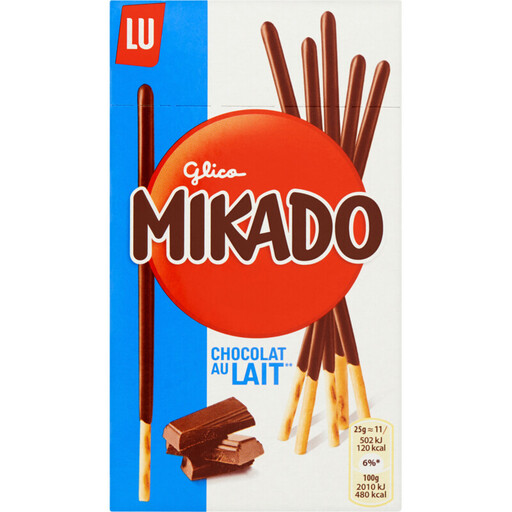 Image unavailable
A biscuit stick coated in milk chocolate, for anyone who wants to use an individual biscuit as decoration. The pack contains 75 g; check the allergens and any instructions for using it in an oven recipe before you start.
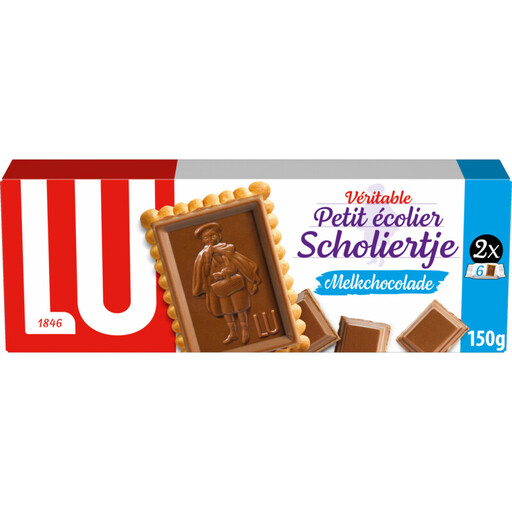 Image unavailable
A ready-made milk chocolate biscuit to serve or use as a finishing touch. The pack contains 150 g; read the current label for allergen information, and don’t use it as an ingredient in new oven-baked dough without suitable instructions.
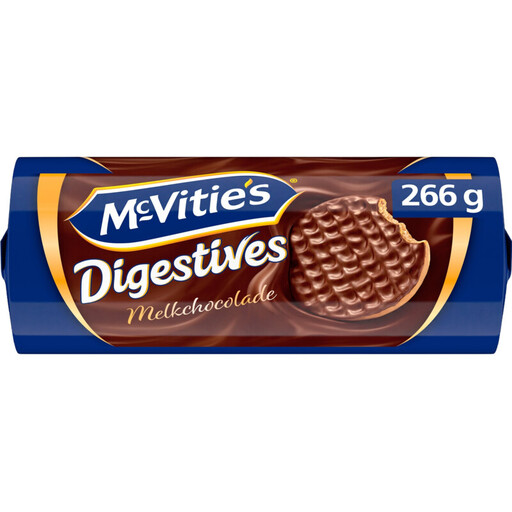 Image unavailable
A milk chocolate digestive to serve or crush. The pack contains 266 g; check the label for allergens, and look for product-specific instructions if you want to bake it into new dough.
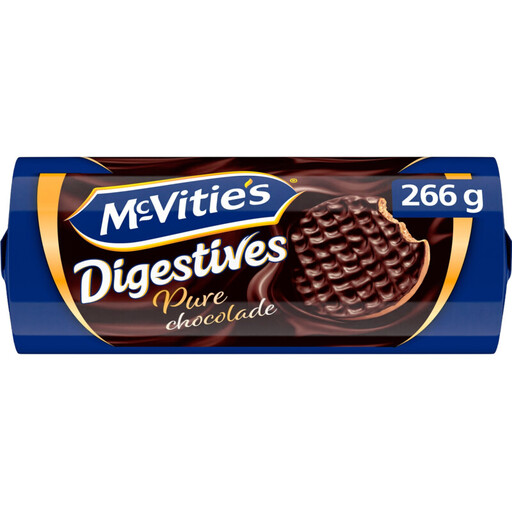 Image unavailable
A dark chocolate digestive for anyone looking for this type of chocolate in a ready-made biscuit. The pack contains 266 g; check the current label for allergens, and don’t assume it’s suitable for baking into dough without suitable instructions.
Compare the ingredients, highlighted allergens, net weight, use-by date, storage instructions and nutritional information for the exact product. Check the packaging again if you based your choice on online product information earlier.
No. Check the ingredients and allergens on the packaging of the exact product. For the digestive biscuit it reviewed, Jumbo lists wheat, milk and soya; the Hellema ChocoLatten described by Jumbo lists egg, milk, wheat and soya, among other ingredients, as well as warnings about possible traces.
Follow the storage advice on the packaging of your chosen biscuit. For Jumbo Digestive Biscuit Pure Chocolade, Jumbo recommends sealing the pack tightly after opening and storing it in a dark place; don’t automatically apply this advice to other products.