
Stock-up shoppers who want to finish the pack
You buy breakfast cereal for several mornings and want to choose a pack that suits how much you use and the storage space you have.


Choose a multipack of chocolate breakfast cereal only if you’ll use it before the best-before date and the product suits your morning routine. Also compare the nutritional information per 100 g and per serving, and check the ingredients and allergens for the exact variant: crunchy muesli, shells and filled pillows aren’t interchangeable.
You buy breakfast cereal for several mornings and want to choose a pack that suits how much you use and the storage space you have.
You want chocolate breakfast cereal, but you also consider fibre, wholegrain ingredients, sugars and the amount you usually serve.
You’re looking for a product that’s quick to serve, and thinking ahead about what to eat with it and how you might take it with you.
First, decide which pack size you’ll actually use up. Then compare the product types and labels of the options that suit your breakfast.
| What to consider | What to check before buying | Who it matters most to |
|---|---|---|
| Pack size and how much you use | Check the net weight, best-before date and storage instructions after opening. | If I’m stocking up for several mornings, I want to avoid leaving a large pack unused. This is the main consideration for around 36% of consumers. |
| Nutritional profile | Compare fibre, sugars and fat per 100 g and per serving; check which grains are listed in the ingredients. | I want to take the grain base and nutritional information into account, even if the chocolate flavour appeals to me. This is the main consideration for around 29% of consumers. |
| Shape and morning routine | Choose between options such as muesli, shells and filled pillows; think about what you’ll need to serve them or take them with you. | On a busy morning, I want something that fits easily into my usual breakfast. This practical preference is the deciding factor for around 21% of consumers. |
| Ingredients and allergens | Read the information on the exact pack, even if you’ve bought a similar variant before. | If certain ingredients are a concern for me, I need to be able to check the current packaging before eating the product. This check is the main consideration for around 14% of consumers. |
Even a pack intended to last for several breakfasts needs to suit how much you use and how you store it after opening.
Check the pack size, best-before date and storage instructions before choosing a large pack.
The fibre content doesn’t tell you everything about a product’s nutritional profile. For example, Jumbo lists its 850 g pack of Quaker Cruesli Chocolate as containing 10 g of fibre, 19 g of fat and 455 kcal per 100 g.
Read the full nutrition table and ingredients list, and compare products on the same basis.
The stated serving size can vary from one product to another. According to the relevant product information, Kellogg’s uses 30 g per serving for Coco Pops Chocos, Albert Heijn uses 40 g for AH Chocosmaak shells, and Jumbo uses 45 g for Quaker Cruesli Chocolate.
Compare products per 100 g first, then consider how much you put in your own bowl.
Ingredients and warnings can vary between variants or change over time. A picture of a similar pack isn’t a reliable enough basis for your choice.
Read the ingredients and allergen information on the pack you receive for the exact variant before eating it.
The range includes different types of chocolate breakfast cereal, such as Coco Pops Chocos and Special K Pure Chocolade.
Cruesli Chocolade is a crunchy muesli; Jumbo also lists an 850 g pack.
AH Chocosmaak shells, 500 g, are a wheat-based cereal for anyone who prefers shells to muesli or filled pillows.
Jumbo Choco Kussentjes, 500 g, has a different shape and recipe from chocolate flakes or crunchy muesli.
ALDI’s own-brand range includes Krokante muesli chocolade, 900 g, and Choco-chips, 500 g.
This selection includes multipacks of cocoa rings, chocolate muesli or granola, as well as smaller packs of muesli and chocolate shells. First choose the product type and pack size that suit how much you use; then compare the label for the exact variant.
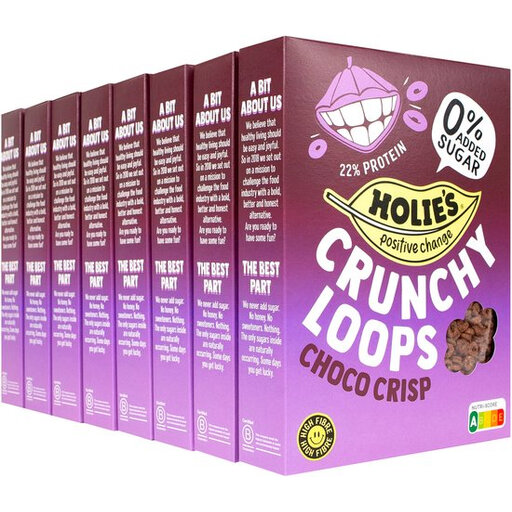 Image unavailable
Cocoa rings in a multipack for several breakfasts. The pack contains eight 350 g boxes; if ingredients or allergens matter to your choice, check the information for the exact variant.
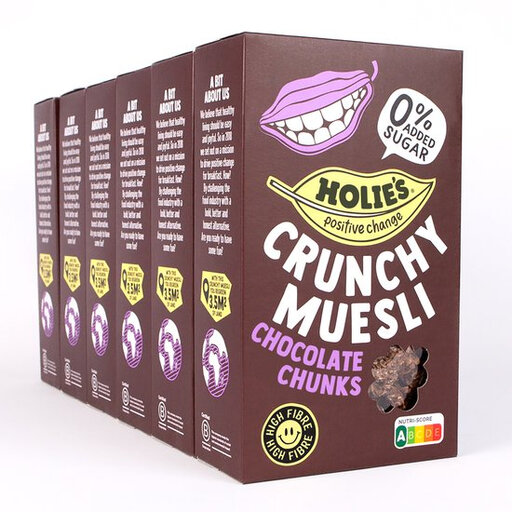 Image unavailable
Crunchy chocolate muesli for anyone who wants to stock up on several packs of the same variant. This multipack contains six 400 g boxes; consider whether you’ll use that much and read the label for the exact variant.
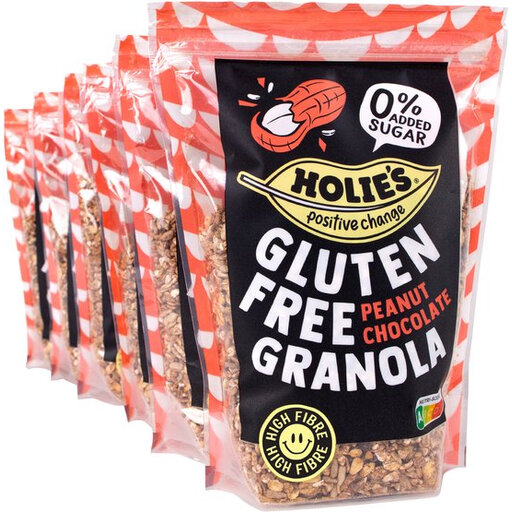 Image unavailable
Granola with peanut and chocolate in a multipack of six 330 g boxes. If you’re looking for a particular variant because of its ingredients or allergens, check the current packaging; don’t assume it’s suitable for your diet based on the product name alone.
 Image unavailable
A 450 g pack of crunchy chocolate muesli for anyone who doesn’t want to choose a multipack straight away. This is a different pack size from the 850 g Quaker product; don’t assume that the product information for the larger variant applies to this pack.
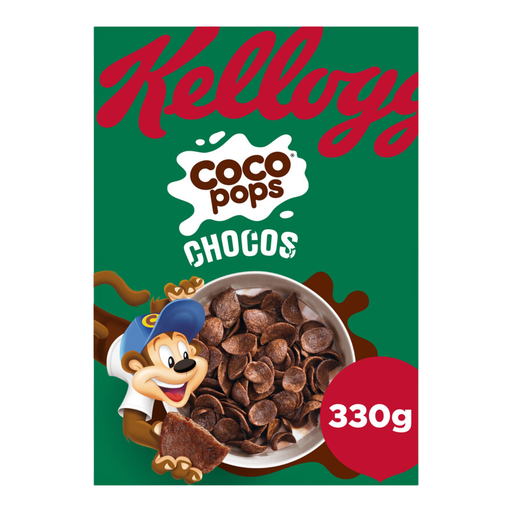 Image unavailable
A 330 g pack of chocolate breakfast cereal for anyone who prefers a smaller pack. Check the nutritional information and allergens on this exact pack before using values from another Kellogg’s variant.
No. The pack size needs to suit how much you use and how you store the product after opening. So check the best-before date and storage instructions on the pack you’re thinking of buying.
You can take the cereal with you, but think about how you want to eat it first. If you serve it with milk, yoghurt, quark or a plant-based alternative, you’ll also need a suitable container and possibly a spoon.
Comparing products per 100 g lets you assess the same quantity, while the serving size shows how much the manufacturer suggests you eat at a time. According to the relevant product information, this is 30 g for Kellogg’s Coco Pops Chocos, 40 g for AH Chocosmaak shells and 45 g for Quaker Cruesli Chocolade. Also consider how much you serve yourself.
Read the ingredients, allergen information and any warnings about the possible presence of other ingredients on the exact pack. The Netherlands Food and Consumer Product Safety Authority lists allergen information as part of the labelling on prepacked food.
Follow the storage instructions on the pack and seal it properly after use. Albert Heijn and Jumbo say that their respective chocolate breakfast cereals should be sealed properly after opening; check the instructions for your variant.