
People who want to put together a meal
You eat well before your training and are looking for flakes to add to a bowl with, for example, yoghurt, milk or quark. The timing of your meal and the fibre content are both worth considering when you choose.


If you’re looking for a meal base to eat a few hours before exercise, consider cereal flakes and check the serving size and fibre content. Chocolate flakes are intended as a bread topping or garnish, not as a meal on their own. The Netherlands Nutrition Centre recommends eating a proper meal around 2 to 3 hours before exercise; a large portion that’s high in fat or fibre may feel less comfortable just before a workout.
You eat well before your training and are looking for flakes to add to a bowl with, for example, yoghurt, milk or quark. The timing of your meal and the fibre content are both worth considering when you choose.
You’re looking for a topping for bread, yoghurt or porridge. In that case, it makes more sense to compare chocolate flakes with similar toppings than with cereal flakes intended as a meal base.
You’re keeping an eye on allergens or other ingredients. The products reviewed differ in their declarations of milk, soya and gluten-containing cereals, among other things, so check the exact variant.
First decide whether you want flakes as a meal base or to add flavour. Then consider when you’ll eat them, the type of product and the label.
When: You want to make a bowl with, for example, yoghurt, milk or quark a few hours before training.
Consider: Some cereal flakes are high in fibre, so a large portion just before exercise may feel less comfortable.
When: You mainly want to add a chocolate flavour to bread, yoghurt or porridge.
Consider: The variants reviewed are high in sugars per 100 g and aren’t a meal before exercise on their own.
| What to consider | What to check | Who is it important for? |
|---|---|---|
| Meal and timing | Decide whether you’re looking for a meal base and check the fibre per 100 g. Adjust your portion to fit the time of your training session. | If I’m eating a few hours before training, I want to put together a meal that feels right at that time. Around 40% of consumers prioritise this combination of a meal base and timing. |
| Type of topping | Check whether you’re choosing chocolate flakes, cocoa flakes or chocolate sprinkles, and how much the pack contains. | When I want to add a little flavour to my usual snack, I look for the specific type of topping I want to use. For around 30% of consumers, choosing a topping is the main consideration. |
| Ingredients and allergens | Read the ingredients list and allergen information on the packaging of the exact variant. | If I need to avoid certain ingredients, I don’t want to rely on the brand name alone. For around 30% of consumers, checking the label is the first selection criterion. |
Cereal flakes can form the base of a bowl; chocolate flakes are a bread topping or garnish. Because they serve different purposes, comparing how suitable they are before exercise isn’t very useful.
First decide whether you want to put together a meal or simply add flavour. Then choose from the right type of product.
Ingredients vary between products and variants. The Choca flakes reviewed contain wheat and soya, while De Ruijter White Flakes contain milk, lactose and soya.
Read the ingredients list and the ‘may contain’ statement on the packaging you’re actually buying.
According to the Netherlands Nutrition Centre, foods high in fat, protein or fibre can cause digestive discomfort around exercise. So, when it comes to cereal flakes, timing still matters.
Plan to eat a larger meal around 2 to 3 hours before exercise. If you’re eating later, think about your portion and what you personally find comfortable.
These brands offer different types of flakes. The features listed apply to the variants reviewed and not necessarily to every product from each brand.
Jumbo’s plain chocolate flakes reviewed come in a 300 g pack and are intended as a chocolate topping for bread or other foods.
PLUS sells plain chocolate flakes in a 300 g pack.
Kiekeboe is the brand name of the chocolate flakes listed by ALDI, available in milk and plain variants in 300 g packs.
De Ruijter sells, among other products, plain and white flakes for use as a bread topping or garnish.
Smaakt Seven-Grain Flakes are cereal flakes for adding to foods such as yoghurt, milk or quark, not a chocolate topping for bread.
These products are chocolate toppings for anyone looking to add flavour to a snack. For a meal based on cereal flakes, you’ll need a different type of product. Check the product names carefully: chocolate flakes, cocoa flakes and chocolate sprinkles aren’t necessarily the same thing.
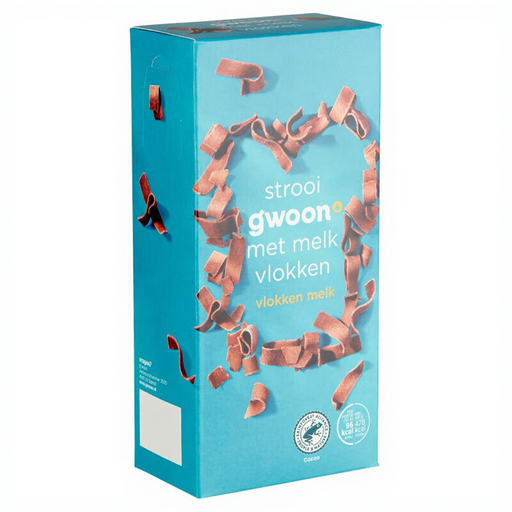 Image unavailable
For anyone who wants to use chocolate flakes as a topping, not as a meal on their own before exercise.
300 g pack. If you have an allergy, check the packaging for ingredients and declarations relating to milk and wheat.
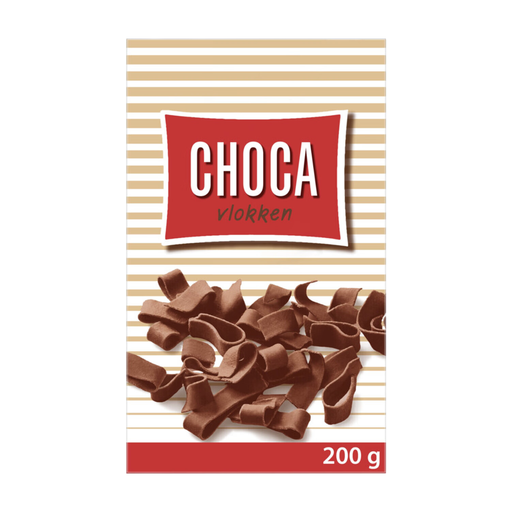 Image unavailable
A flake topping for anyone looking to add a chocolate flavour to an existing snack.
200 g pack. Check the label on the exact pack for wheat, soya and possible traces of milk.
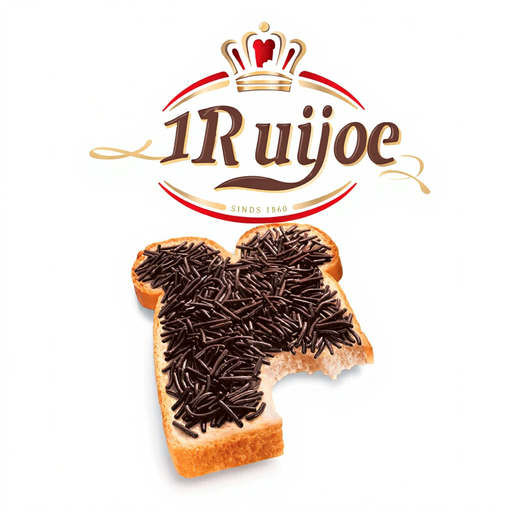 Image unavailable
For anyone looking for plain chocolate sprinkles to add flavour, rather than cereal flakes as a meal base.
390 g pack. If you have an allergy, check the declarations for milk and soya on this variant; information for other pack sizes may not apply.
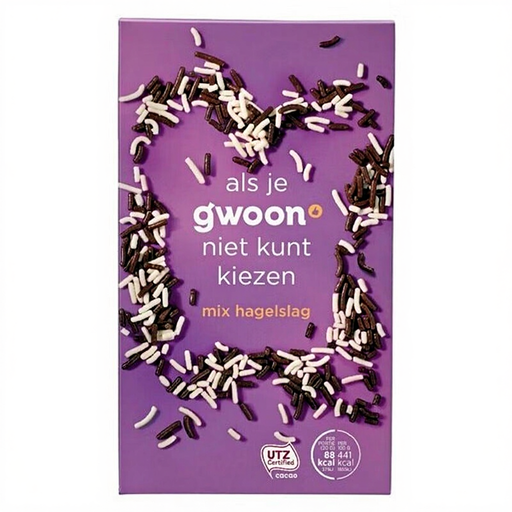 Image unavailable
Chocolate sprinkles for anyone looking for a chocolate topping; don’t choose these expecting cereal flakes for a meal.
600 g pack. Read the ingredients and declarations for milk and wheat on the packaging.
No. Use chocolate flakes as a bread topping or small garnish rather than as a complete meal. The variants reviewed are high in sugars per 100 g; also consider your portion and when you’re going to exercise.
Choose cereal flakes if you want to put together a meal with, for example, yoghurt, milk or quark. The Netherlands Nutrition Centre recommends eating a proper meal around 2 to 3 hours before exercise; if you’re eating just before a workout, pay extra attention to your portion and the fibre content.
Yes, check the packaging of the exact variant you’re buying. The Netherlands Food and Consumer Product Safety Authority explains how allergens are listed on food labels, and the flakes reviewed vary in their ingredients and warnings.
According to the Netherlands Nutrition Centre, most people who exercise don’t need specialist sports products. Choose food and drink to suit your training rather than assuming that a product with ‘sport’ in its name is essential.