If you want participants to make their own espresso and froth milk, choose a portafilter machine with a steam wand. For participants making cappuccinos one after another with minimal effort, a bean-to-cup machine with a milk function is a better fit. A capsule machine with a milk function may suit a compact, simple set-up, but according to the Consumentenbond, capsules cost more per cup than ground coffee. Add chocolate to the cup as directed in De’Longhi’s recipe; don’t assume the machine has a chocolate drink function.
Who is this buying guide for?
Workshop leader looking to practise barista skills
You want participants to make their own espresso and froth milk. The Consumentenbond explains that a portafilter machine gives you more scope to get hands-on with the preparation. Sage lists a built-in grinder and manual milk frothing for the Barista Express.
Leader of a continuous cappuccino workshop
You want participants to make cappuccinos one after another with little instruction. The Consumentenbond describes bean-to-cup machines as easier to use; Philips lists automatic milk preparation for the 2300 Series EP2333/40.
Organiser with limited workspace
You’re looking for a machine that fits the available space, while also taking milk provision and ongoing running costs into account. De’Longhi lists a width of 15 cm for the Dedica Style EC685.M EX:4; the Consumentenbond notes that capsules cost more per cup than ground coffee.
What should you look for?
Portafilter machine with steam wand
This option is right for you: if participants will make espresso and froth milk themselves as part of the lesson.
The trade-off: participants need time to practise and prepare the milk by hand.
Bean-to-cup machine with milk function
This option is right for you: if participants need to make cappuccinos one after another with minimal effort.
The trade-off: automatic preparation offers less opportunity to practise espresso and milk-frothing techniques by hand. Also check how to clean the milk system.
Capsule machine with milk function
This option is right for you: if a simple, compact espresso set-up matters more than grinding and dosing coffee yourself.
The trade-off: check that the machine can prepare milk, and bear in mind that capsules cost more per cup than ground coffee, according to the Consumentenbond.
| What to consider |
What should you check? |
Who is this important for? |
| Making drinks yourself |
Check whether the model has a steam wand and how it takes the coffee. |
If you want participants to learn how to make espresso and milk foam themselves, using the machine is part of the lesson. Around 31% of consumers particularly want this opportunity to learn. |
| Preparing drinks one after another |
Check whether the exact model makes cappuccino, and what steps and refills are needed to prepare a series of drinks. |
If several participants are making cappuccinos one after another, a machine with fewer steps can make a difference. Around 31% of consumers particularly prioritise quick preparation. |
| Milk and cleaning |
Compare the cleaning instructions for the milk system, and consider how you’ll keep milk chilled again after use. |
If you’ll be using milk repeatedly during the workshop, you’ll want to know which parts need cleaning between uses. Around 23% of consumers particularly focus on milk storage and cleaning. |
| Space and running costs |
Measure the space available and check that the machine can prepare milk; calculate how much coffee or how many capsules you’ll need for your workshop. |
If you have limited worktop space or use the machine frequently, its dimensions and ongoing costs could be decisive. Around 15% of consumers put these considerations first. |
Common buying mistakes
-
Assuming an espresso machine is automatically a cappuccino machine
An espresso machine doesn’t necessarily have a milk-frothing function. Check whether the exact model has a steam wand, an automatic milk system or requires a separate milk frother.
Also check which accessories are included and whether your workshop set-up has room for any separate equipment you might need.
-
Expecting the machine to process chocolate
In a De’Longhi recipe, chocolate sauce goes into the glass first, followed by the cappuccino. That doesn’t mean the machine itself has a chocolate drink function.
Decide in advance how participants will combine chocolate and coffee in the cup, and follow the instructions for your chosen model.
-
Looking only at the purchase price when making lots of workshop drinks
According to the Consumentenbond, capsules cost more per cup than ground coffee. Milk systems also come with cleaning instructions, which can vary from one model to another.
Compare how much coffee or how many capsules you’ll need for your expected use, and include milk-system cleaning in your preparations.
With a capsule machine, capsule costs are ongoing; using a milk system also means following the prescribed cleaning steps.
Relevant brands
Sage
The Barista Express BES875 is a portafilter machine with a built-in grinder and manual milk preparation, making it a good fit for a workshop where participants practise each step.
- Sage lists a built-in grinder and the ability to make microfoam by hand.
- Participants need to practise using the steam wand themselves; check which accessories are included with the version you choose.
De’Longhi
The Dedica Style EC685.M EX:4 is a slim manual espresso machine with an adjustable milk-frothing system.
- De’Longhi lists a width of 15 cm and an adjustable cappuccino system for this model.
- Its slim width doesn’t tell you which coffee input or accessories will suit your lesson; check these separately.
Philips
The 2300 Series EP2333/40 is a bean-to-cup machine with LatteGo, suited to a workshop centred on making cappuccinos with ease.
- Philips lists automatic milk preparation and four drinks for this model.
- Philips recommends rinsing LatteGo after each use or cleaning its parts; bear this in mind when preparing drinks one after another.
Siemens
The EQ500 iAroma TP551E07 is a bean-to-cup machine with cappuccino and milk functions, for anyone weighing up automatic operation against the space available.
- Siemens specifies automatic milk preparation, a 1.8-litre water tank and dimensions of 378 × 272 × 472 mm for this model.
- These details don’t tell you how many drinks you can make in a row; assess the milk supply and set-up for your workshop.
Nespresso
The Creatista Plus is an Original capsule machine with automatic milk preparation via a steam wand, for a set-up without a coffee grinder.
- Nespresso lists automatic milk preparation and a cappuccino function for this model.
- This model requires Original capsules. The Consumentenbond reports that capsules cost more per cup than ground coffee; this doesn’t apply to every Nespresso machine.
Espresso machines at Joybuy
These Joybuy products suit workshop set-ups for making cappuccinos automatically or preparing espresso and frothing milk yourself.
 No image available
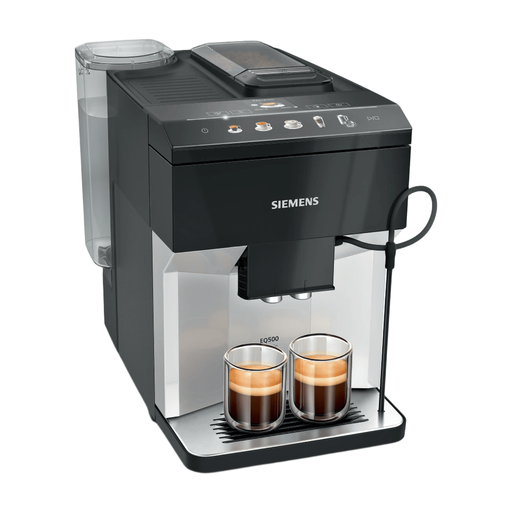
Siemens EQ500 TP511R01
A fully automatic option for participants who want to make cappuccinos one after another with minimal effort.
The product description mentions oneTouch preparation, a milk hose, a removable brewing unit and daily cleaning of the milk system.
View at Joybuy
 No image available
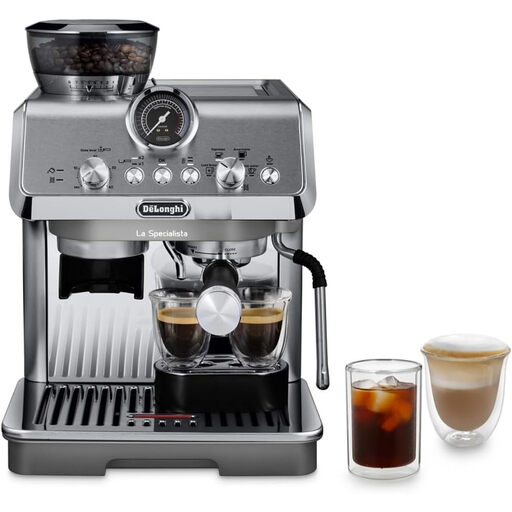
De’Longhi EC9255.M EX:2 La Specialista Arte EVO
A portafilter machine for a workshop where participants dose their own coffee, make espresso and froth milk.
The product description lists an integrated grinder and a MyLatteArt steam wand. The barista kit mentioned includes a milk jug and tamper, among other items.
View at Joybuy
 No image available
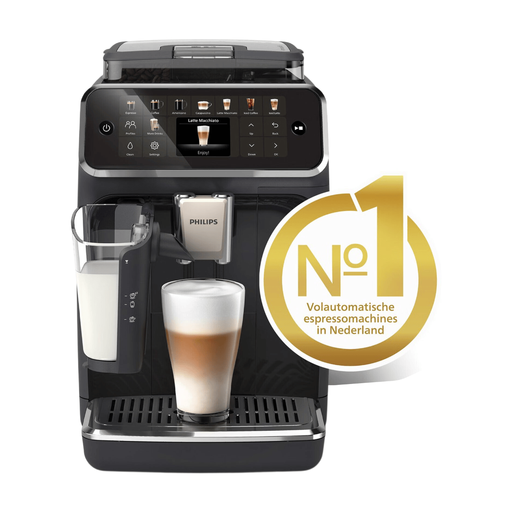
Philips EP5541/50 LatteGo Series 5500
A fully automatic option for making cappuccinos one after another when automatic milk preparation is important.
The product description lists LatteGo and a grinder with 12 settings. The LatteGo parts can be rinsed under the tap or put in the dishwasher; additional cleaning is still required.
View at Joybuy
 No image available
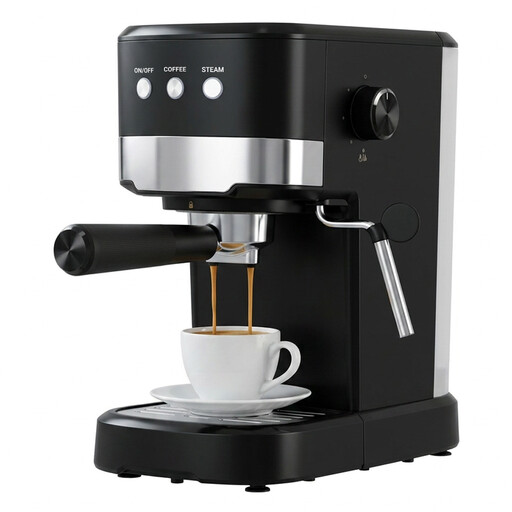
ochama Semi-Automatic Pressure Espresso Machine
A semi-automatic option for participants who want to practise making espresso and frothing milk themselves.
The product description lists a steam function, a removable drip tray and a visible water tank.
View at Joybuy
 No image available
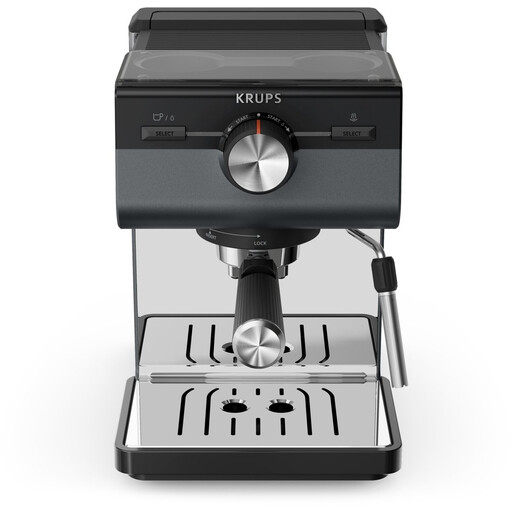
Krups Authentic+ C40 XP384G
A manual option for a lesson where participants prepare coffee and froth milk using a steam wand.
The product description lists ground coffee, a built-in steam wand and a removable drip tray. The steam wand needs cleaning after use.
View at Joybuy
Frequently asked questions
Does the machine need a separate chocolate cappuccino setting?
No, not for the recipe approach described by De’Longhi: add the chocolate sauce to the glass first, then make a cappuccino. That doesn’t mean the machine processes chocolate itself; check the coffee and milk functions of the exact model.
How should you handle milk and the milk system during the workshop?
According to the Voedingscentrum, return opened semi-skimmed milk to a fridge at 4 °C soon after use. Also follow the cleaning instructions for your chosen model: Philips recommends rinsing LatteGo after each use or cleaning its parts in the dishwasher.
What ongoing costs and warranty rights should you take into account?
Include coffee or capsules, milk and the recommended maintenance in your calculations; according to the Consumentenbond, capsules cost more per cup than ground coffee. Consumers in the Netherlands are entitled to a legal guarantee with no fixed statutory guarantee period, according to the Rijksoverheid. If you’re buying for business use, ask which terms and conditions of sale apply.
Do food safety and allergen rules apply to the workshop?
If you prepare, process or sell food or drink to customers as a business, the NVWA explains that you must use an HACCP food safety plan or an appropriate hygiene code. Businesses selling unpackaged products must inform customers about any allergens present. So check the ingredients in the chocolate and any milk alternatives too; the description alone doesn’t mean that every private workshop is subject to these business requirements.


