
Vandaag of morgen in huis

Kwaliteit gegarandeerd

Welkomstaanbiedingen ontgrendelen: GRATIS bezorging | Tot 80% korting | Gratis 30 dagen JoyPlus-proefperiode
Download de app
Buying chocolate seems simple, until you have to choose between milk chocolate, dark chocolate, chocolate with nuts, Japanese chocolate or a large sharing bag. Packaging and familiar brand names do not always tell the whole story. If you only look at the front of the packaging, you could arrive home with a product that does not suit your dietary preference, allergy or intended use.
A 500 or 600 gram bag may seem appealing for a family or party, but it is less practical if you want to hand out portions or give the chocolate as a gift. Conversely, a multipack with individually wrapped snacks may be more convenient, even if the price per 100 grams is higher.
So do not just compare the total price. Also look at:
A product containing hazelnut, pistachio, almond or peanut butter may also contain milk, soya, gluten or other nuts. The packaging may also state that the product was made on a shared production line. This is particularly relevant for food allergies.
Always check the current ingredients list and allergen information on the packaging. Product details may vary by country, batch or size.
Dark chocolate generally contains more cocoa solids than milk chocolate, but it may still contain a considerable amount of sugar. For example, AE Chocodate Dark Chocolate is stated to contain at least 85% cocoa solids, while the product also contains 48 grams of sugars per 100 grams. So do not use terms such as “dark” or “intense” as a substitute for reading the nutrition table.
Milk chocolate usually has a creamy, sweeter flavour thanks to its milk ingredients. Dark chocolate often contains more cocoa mass and can have a stronger or more bitter profile. For some products, the focus is not on a classic bar, but on a combination of biscuit, caramel, nuts or dried fruit.
When choosing dark chocolate, check the stated percentage of cocoa solids. This percentage tells you something about the composition, but not everything about the flavour. Sugar, milk powder, flavourings and fillings also affect the final taste experience.
If you are looking for halal chocolate or vegetarian chocolate, it is worth checking whether this is explicitly stated in the product information or on the packaging. AE Chocodate Milk Chocolate is listed as halal certified, suitable for vegetarians and gluten-free. However, the product contains milk, soya and almonds.
Pay attention to the difference between:
If you have any concerns about allergies, the packaging takes precedence.
For a chocolate gift, a recognisable bar, an unusual flavour or a neat multipack are practical choices. For chocolate to share, individually wrapped products are often easier to manage. Chocolate snacks in small portions fit more easily into a bag, lunch box or treat pack.
For baking, an ordinary bar is not always the most convenient option. According to the product description, Dr. Oetker Chocolate Chips are bake-stable chocolate drops intended for brownies, muffins, biscuits and cakes, among other things. However, always check the instructions for use and storage conditions.
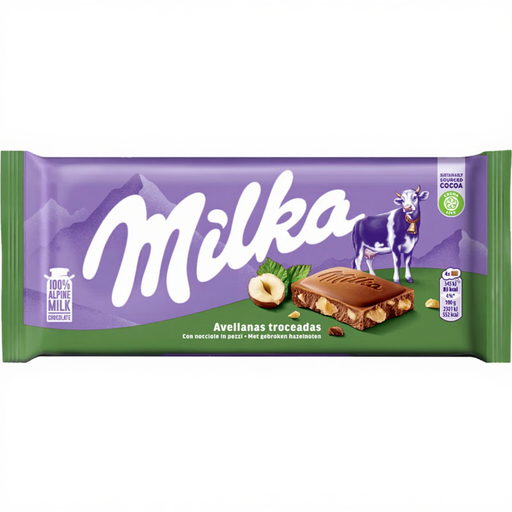
Why it suits this profile: A manageable 90-gram bar for anyone looking for a familiar milk chocolate flavour with nuts without immediately buying a large pack.
The size makes the purchase relatively easy to assess. The product information states that it contains 9% hazelnut pieces and identifies milk, soya and nuts as allergens.
Milk chocolate with crunchy hazelnut pieces; 90 grams; made in Switzerland according to the product information.
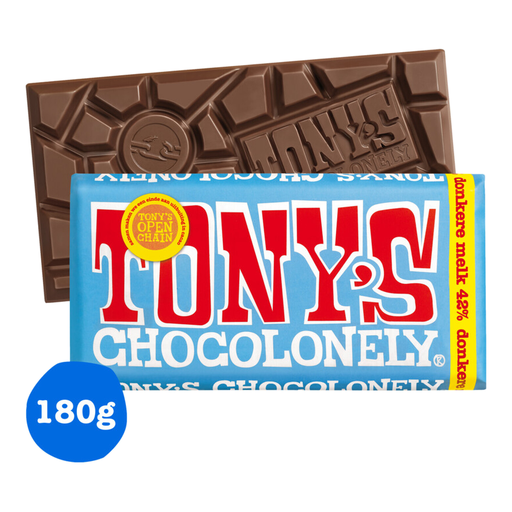
Why it suits this profile: Ideal for anyone who wants to combine the creaminess of milk chocolate with a higher stated cocoa content, plus a larger bar to break up and share.
The product information states that it contains at least 42% cocoa solids. This allows you to compare your choice using a specific product specification rather than relying solely on the packaging.
180 grams; combination of milk chocolate and 42% cocoa; ingredients list states that it contains milk and soya.
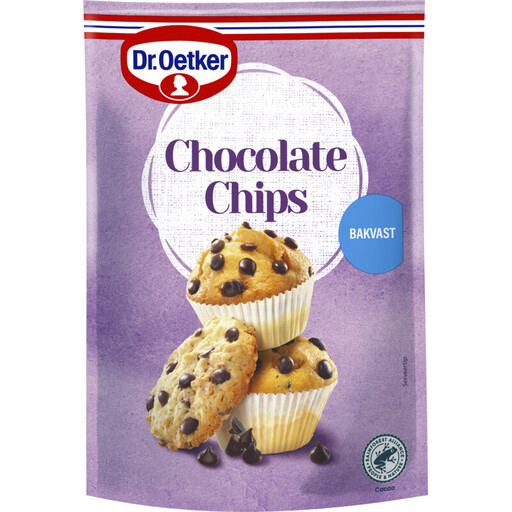
Why it suits this profile: A practical choice for anyone who wants to use chocolate not only as a snack, but also in muffins, biscuits, brownies or decorations.
The product description makes its intended use clear: the chocolate drops are designed to retain their shape during baking. This helps you choose a product that suits the job.
100 grams; bake-stable chocolate drops; suitable for melting and decorating; product information states that it contains soya lecithin and may contain milk.
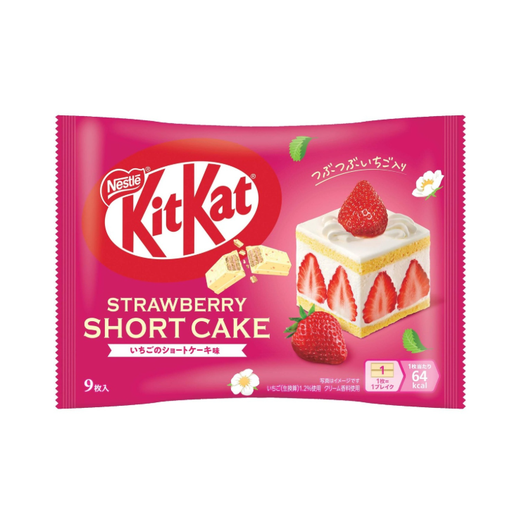
Why it suits this profile: A Japanese chocolate option for anyone looking for an unusual flavour and wanting to hand out or give away several individually wrapped portions.
The packaging states that there are 9 pieces with a total weight of 104.4 grams. It also lists milk, wheat and soya as allergens, with a warning about shared production lines.
9 portions; strawberry flavour with freeze-dried pieces according to the product description; store below 28 °C.
We have put together a complete, up-to-date list of products that fully meet these strict selection criteria and the applicable European safety regulations.
Check these points before you check out:
Look for an explicit statement such as “halal certified” in the product information, and also check the current packaging. AE Chocodate Milk Chocolate and the coconut variant are listed as halal certified. Also check for allergens such as milk, soya and almonds.
Individually wrapped chocolate snacks are practical for visitors, treats and parties. Examples include Twix Milk Chocolate with five individual bars, Nestle KitKat Strawberry Short Cake with nine pieces and Bros Mini Chocolate with several minis in a sharing bag.
The exact shelf life is stated on the packaging. Store chocolate according to the specified conditions: generally somewhere cool and dry, sealed and away from direct sunlight. After opening, a tightly closed package helps limit moisture and odour transfer. If you are looking for a product to store for a longer period, check the best-before information and size before buying.
