
Parents choosing an everyday breakfast
You want to know how chocolate breakfast cereals compare with the breakfast options the Netherlands Nutrition Centre recommends for children aged 1 to 3.


Chocolate breakfast cereals aren’t an obvious everyday choice for toddlers: the Netherlands Nutrition Centre recommends wholegrain cereals without added sugar or salt for children aged 1 to 3, as an alternative to bread. If you do want to buy a chocolate variety, compare the label on the exact product and decide whether you can measure out a portion at home. A serving size shown on the pack doesn’t mean the cereal is individually wrapped.
You want to know how chocolate breakfast cereals compare with the breakfast options the Netherlands Nutrition Centre recommends for children aged 1 to 3.
You don’t want to pour out more than you need, and you want to understand the difference between measuring out a portion yourself, a serving size on the label and an individually wrapped product.
If your child has a relevant allergy or their school or nursery has specific rules, check the current label on the exact pack and ask what you’re allowed to bring in.
First, decide whether the cereal is intended as an everyday choice or an occasional alternative. Then check the allergens and packaging: measuring out an amount yourself is not the same as buying individually wrapped portions.
| What to consider | What to check before buying | Who it matters to |
|---|---|---|
| Everyday breakfast choice | Read the ingredients and compare sugar, fibre and salt per 100 g. The Netherlands Nutrition Centre recommends wholegrain cereals without added sugar or salt as an alternative for children aged 1 to 3. | If I’m looking for something for everyday breakfast, I don’t want to judge it just by the chocolate flavour or the front of the box; an estimated 45% of consumers put nutritional basics first. |
| Gluten and other allergens | Check the ingredients, allergens and any warnings on the current pack. If you want to send the product to school or nursery, ask about their rules. | If my child has a relevant allergy, I want to know what’s in this exact variety before buying it, and whether I can send it in; for around 33% of consumers, this check is the top priority. |
| Small or individual portions | Look for an explicit mention of individual sachets or cups. The number of servings shown doesn’t tell you how the contents are packaged. | If I only need a small amount, I want to be able to choose between measuring it out myself and buying genuinely individual packs; around 22% of consumers put this practical choice first. |
Albert Heijn lists 23 servings in a 900 g pack of AH Krokante muesli chocolade. This describes a multi-serving pack, not how much an individual child should eat or how many single sachets are included.
Measure out a suitable amount at home. If you need individual portions, check that the pack explicitly says it contains them.
According to Jumbo’s product information, Jumbo Special Flakes Pure Chocolade contains wheat, barley and milk, among other ingredients. Albert Heijn also sells a separate product labelled gluten-free. So the category name alone won’t tell you what’s in a specific variety.
Always read the ingredients, allergens and any warnings on the current pack. If you’re choosing a gluten-free product, also check for any other ingredients that are relevant to your child.
A chocolate flavour or a claim about added vitamins doesn’t tell you whether the product is a suitable fit for a toddler’s usual breakfast.
Compare the ingredients and nutritional values per 100 g with the breakfast options the Netherlands Nutrition Centre recommends for children aged 1 to 3.
These brands offer a range of chocolate breakfast cereals, muesli and granola. Compare the exact product and packaging, rather than just the brand.
Kellogg's has several chocolate varieties, including Coco Pops Chocos and Special K Pure Chocolade.
On its international brand page, Nestlé Cereals describes Chocapic as chocolate breakfast cereal with wholegrain wheat as its first ingredient.
Albert Heijn sells, among other products, Krokante muesli chocolade and a separate gluten-free chocolate muesli.
Jumbo lists both its own chocolate breakfast cereals and branded products, including Jumbo Special Flakes Pure Chocolade.
Lidl’s Dutch range includes Krokante muesli chocolade.
Under its Golden Bridge brand, ALDI lists several chocolate breakfast cereals, including Choco Kussentjes.
These Joybuy products suit you if you’d like to measure out your own amount of chocolate breakfast cereal or granola at home. If you need individually wrapped portions, check the packaging explicitly: a weight or number of servings on the label doesn’t prove that the pack contains individual sachets.
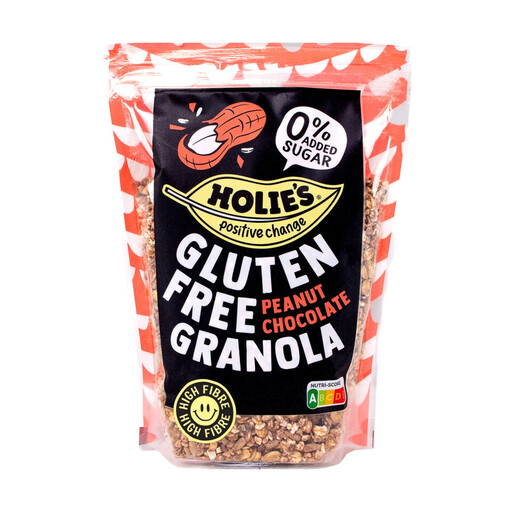 No image available
A granola you can measure out at home if you’re looking for a chocolate variety. The product name lists 330 g, peanuts and a gluten-free claim; check the current label for ingredients, other allergens and packaging type.
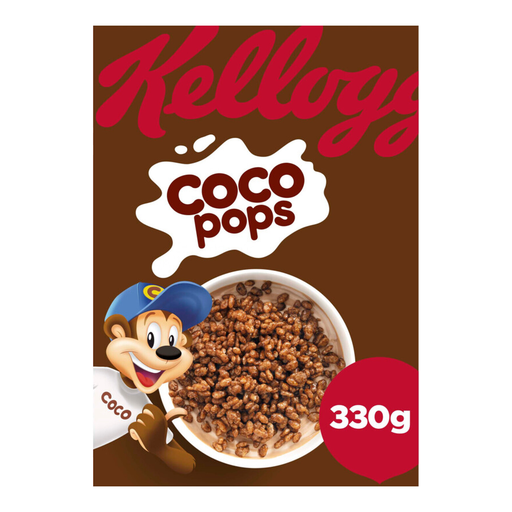 No image available
An option if you want to measure out chocolate breakfast cereal at home. The product name lists 330 g; if you’re serving it to a toddler, check the current label for ingredients, nutritional values and allergens, and separately check whether the pack contains individual portions.
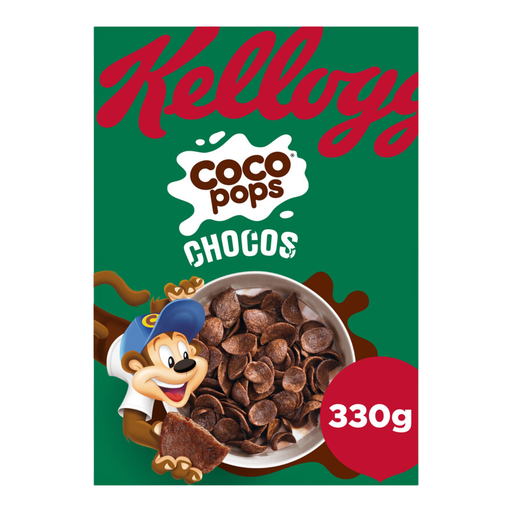 No image available
A chocolate variety you can serve in whatever amount you choose at home. The product name lists 330 g; check the current label for nutritional values and allergens. If you’re looking for individual portions, don’t rely on the pack weight alone.
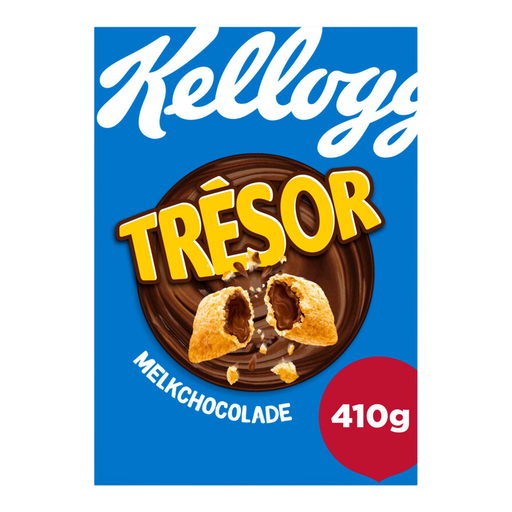 No image available
A variety you can measure out yourself if you’re considering chocolate breakfast cereal as an occasional alternative. The product name lists Milk Chocolate and 410 g; check the current pack for ingredients, nutritional values, allergens and whether it contains individually wrapped portions.
Don’t automatically make them your everyday breakfast choice. For children aged 1 to 3, the Netherlands Nutrition Centre recommends bread as a staple, with porridge, muesli or other wholegrain cereals without added sugar or salt as alternatives. Assess a chocolate product by checking its ingredients and nutritional values.
No. A serving size on the label doesn’t tell you how the contents are packaged. For example, Albert Heijn lists 23 servings for a 900 g pack of AH Krokante muesli chocolade; if you want individual portions, look for an explicit mention of separate sachets or cups.
Read the ingredients and allergen information on the current pack of the exact variety. The Netherlands Food and Consumer Product Safety Authority explains how allergens are listed on pre-packed foods; also check for warnings about any other allergens that are relevant to your child.
First, ask the school or nursery about its rules for food brought in from home and allergens. Also check the current label on the product you want to send in; don’t assume the rules are the same at every setting.
No. A gluten-free label doesn’t tell you which other allergens the product contains. Albert Heijn sells a separate gluten-free chocolate muesli and advises checking the current pack, as product information can change. Check it for all ingredients and warnings relevant to your child.