Who is this choice relevant to?

Parents looking for a breakfast staple for their toddler

You’re looking for breakfast cereals that fit into your everyday mealtime routine, not just something chocolate-flavoured. For children aged 1 to 3, the Netherlands Nutrition Centre recommends wholegrain breakfast cereals with no added sugar or salt as an alternative to bread. Bread is still important at other times of the day.

Parents of a child who enjoys chocolate

You want to know whether a chocolate product actually contains wholegrain cereals. Compare the ingredients and the sugar, salt and fibre values per 100 g, rather than relying only on the front of the pack.

Parents who pay attention to allergens or texture

Cereals containing gluten, milk, soya, peanuts and nuts may all be relevant when choosing a product. Read the label and consider whether crunchy or hard pieces are suitable for your child’s chewing ability. The Netherlands Nutrition Centre particularly warns against whole nuts for young children.

What should you look for when choosing?

Start with the cereal base and added ingredients. Then check the allergens and texture, and only after that decide which flavour and product type will suit your morning routine.

What to look for What to check when buying Who it matters to
Wholegrain base and added ingredients Check which cereals are wholegrain. Compare sugar, salt and fibre per 100 g, and check the ingredients for added sugar and salt. If I serve breakfast cereals regularly, I want to know whether they match the wholegrain option with no added sugar or salt recommended by the Netherlands Nutrition Centre for young children. Around 46% of consumers put this nutritional foundation first.
Allergens and texture Read the allergen information on the current packaging and check whether the product contains whole nuts or hard pieces. If my child has an allergy or still struggles to chew, I need to know what’s going into their bowl first. Around 36% of consumers put this check first.
Chocolate flavour and routine Choose the product type you want, then compare the ingredients and nutritional information on the packaging. I’m looking for a chocolate flavour my child will enjoy and a product that suits our mornings. This combination is the top purchasing priority for around 18% of consumers.

Common mistakes when choosing

  • Relying on the word ‘wholegrain’ alone

    A chocolate product may contain wholegrain ingredients without all the cereals in it being wholegrain. The Consumers’ Association therefore advises checking the ingredients list.

    Check which cereals are used, then compare the nutritional values per 100 g.

  • Assuming that high fibre means no added sugar or salt

    A product containing wholegrain cereal or fibre may also contain added sugar or salt. For example, according to Albert Heijn’s product information, AH Oat & go chocolate porridge contains both wholegrain cereals and added sugar.

    When choosing a breakfast cereal for regular use, consider the wholegrain ingredients, fibre, added sugar and salt together.

  • Checking for allergens and hard pieces only when serving

    Chocolate breakfast cereals may contain ingredients such as cereals containing gluten, milk, soya, peanuts or nuts. The Netherlands Nutrition Centre also warns against whole nuts for young children.

    Read the packaging before buying and, for crunchy products, check the pieces and consider your child’s chewing ability. Stay close by while a young child is eating.

  • Treating an online product description as the definitive label

    Ingredients and allergen information can change, so an older product description may not match the packaging you buy.

    Use online information to compare products, then read the label on the pack you’ve bought again before serving. If you’re packing it for your child, also check the rules at their nursery or school.

Brands to consider

Kellogg's

Coco Pops and Tresor are two different types of chocolate breakfast cereal: rice cereal and filled cereal.

  • According to Joybuy’s product information, rice is the first ingredient in Coco Pops; no wholegrain cereal is listed as the base.
  • The information for Tresor mentions hazelnut, among other ingredients. Check each product’s ingredients and allergens rather than judging the brand as a whole.

Albert Heijn

The own-brand range includes chocolate porridge, offering an alternative to puffed cereal.

  • According to Albert Heijn’s product information, AH Oat & go chocolate porridge contains wholegrain cereals.
  • The product information also lists peanuts, seeds and added sugar. Check the packaging if these ingredients are important to your choice.

Jumbo

Jumbo sells both wholegrain porridge oats and chocolate muesli.

  • According to Jumbo’s product information, Special Crunchy Muesli Chocolicious contains wholegrain oat flakes.
  • The same product information lists sugars and several allergens. Crunchy chocolate muesli is therefore not automatically interchangeable with breakfast cereals that have no added sugar or salt.

Lidl

Lidl’s range includes both crunchy chocolate muesli and a separate cereal breakfast product.

  • The different product types give you a starting point for comparing the ingredients on each pack.
  • Don’t assume that the chocolate muesli contains the same wholegrain ingredients just because the range also includes a cereal breakfast product.

ALDI

ALDI stocks chocolate breakfast cereals alongside wholegrain porridge oats and a 7-grain breakfast cereal.

  • The range information makes it clear that chocolate products and wholegrain products need to be assessed separately.
  • For each chocolate product, check for yourself whether the cereals used are wholegrain and what the packaging says about sugars, salt and allergens.

Chocolate breakfast cereals on Joybuy

These two chocolate products offer a crunchy muesli and crunchy cereal rings for you to explore. For a toddler, the choice still depends on the ingredients, allergens and texture shown on the current packaging. Based on product type alone, neither is a substitute for the wholegrain option with no added sugar or salt recommended by the Netherlands Nutrition Centre.
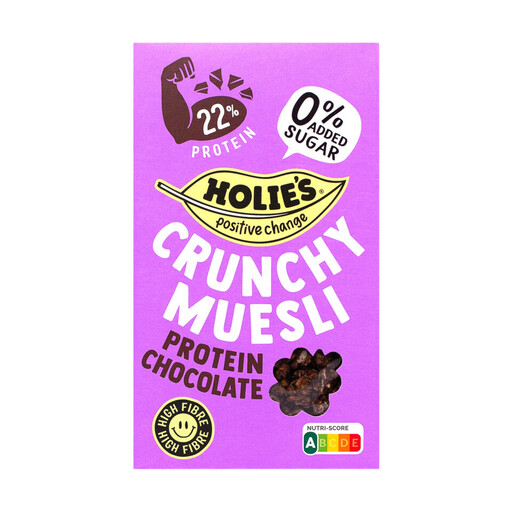
Holie's Crunchy Muesli Protein Chocolate, 400 g

Holie's Crunchy Muesli Protein Chocolate, 400 g

A crunchy chocolate muesli to consider if this is the type of product you’re looking for. For a toddler, check whether the texture is suitable and read the ingredients and allergen information on the current packaging.

View on Joybuy
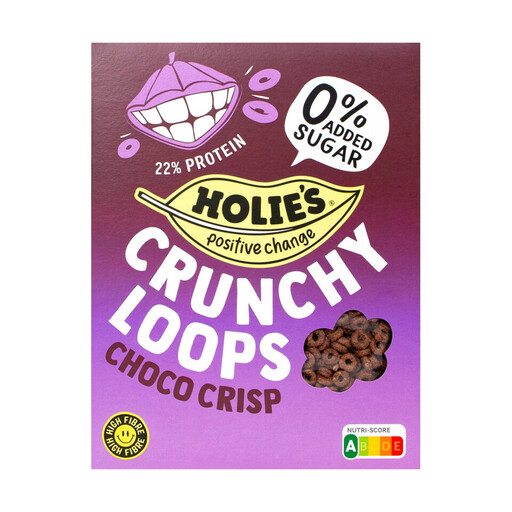
Holie's Crunchy Loops Choco Crisp, 350 g

Holie's Crunchy Loops Choco Crisp, 350 g

Crunchy chocolate rings for anyone looking for this type of cereal. Before serving them to a toddler, check whether the texture is suitable and pay particular attention to the wheat and peanut information on the packaging.

View on Joybuy

Frequently asked questions

Are chocolate breakfast cereals suitable for toddlers to eat every day?

Chocolate breakfast cereals are not automatically the wholegrain option with no added sugar or salt that the Netherlands Nutrition Centre recommends for children aged 1 to 3 as an alternative to bread. Assess each chocolate product separately by checking the ingredients and nutritional information on the packaging.

How can I check whether chocolate breakfast cereals are really wholegrain?

Check which cereal ingredients are described as wholegrain in the ingredients list. The Consumers’ Association points out that, for products other than wholemeal bread, a wholegrain description does not automatically mean that all the cereals used are wholegrain. Use the fibre value per 100 g as additional product information.

What should I look for in terms of allergens in chocolate breakfast cereals?

Check the ingredients list and any warnings about the possible presence of allergens on the current packaging. The Netherlands Food and Consumer Product Safety Authority explains how allergens must be labelled. Depending on your needs, cereals containing gluten, milk, soya, peanuts and nuts may all be relevant. If you’re packing it for your child, also check the rules at their nursery or school.

Can a toddler eat crunchy chocolate muesli?

First, check the texture and individual pieces: a crunchy product may not suit every young child’s chewing ability. The Netherlands Nutrition Centre particularly warns against whole nuts. Make sure your child is sitting calmly while eating, and stay close by.

Is the online ingredients list enough to help me choose?

Use the online ingredients list for an initial comparison, but also read the packaging of the product you buy. Ingredients, nutritional values and allergen information can change, as Albert Heijn notes in its product information.
