Choose an 850–900 g pack if demand for one chocolate variety is predictable and you can store an opened pack in line with your hygiene procedures. If you’re introducing a new flavour or demand varies, 300–500 g packs give you more flexibility to replenish each variety, although you’ll need to do so more often when demand is high. Whatever you choose, check the current label and the allergen information guests need for unpackaged buffet food.
Which pack size is right for you?
Buffet manager with predictable demand
If guests choose the same chocolate variety every day, an 850–900 g pack can reduce how often you need to change packs. However, demand needs to be high enough to suit your approach to storing and sealing an opened pack.
Hotel looking to trial new flavours
A pack of around 500 g lets you offer an additional chocolate variety without opening a large quantity straight away. If demand increases, you’ll need to replenish it more often.
Hotel managing allergen information for each buffet item
When you offer several varieties, make sure each label stays with the right bowl or dispenser. The Netherlands Food and Consumer Product Safety Authority (NVWA) requires guests to be given information about the allergens present in unpackaged food.
What should you consider when choosing?
First, estimate how much of each chocolate variety you expect to use and how many packs will be open at the same time. Then check the information you’ll need for storing each product and labelling the buffet.
Large pack: 850–900 g
When: demand for one variety is steady and you want to open new packs less often.
Trade-off: a larger quantity once opened requires sufficient turnover and storage that suits your hygiene procedures.
Smaller pack: 300–500 g
When: you want to test demand for a flavour or offer different shapes alongside one another.
Trade-off: you’ll have less of each flavour open at once, but a busy buffet will need replenishing more often.
| What to consider |
What to check before buying |
Most relevant for |
| Pack size and demand |
Compare the net weight with the expected use of each variety. A larger pack only reduces pack changes if you use its contents quickly. |
If guests keep choosing the same flavour, I don’t want to open a new pack unnecessarily often. This question of volume is the biggest concern for around 36% of consumers. |
| Allergens and presentation |
Check the current label for each variety and keep the product details together with the relevant bowl, dispenser and buffet label. The NVWA says guests must be informed about allergens present in unpackaged food. |
When refilling several dispensers, I want to be sure the information is displayed with the right product. This is the main concern for around 29% of consumers. |
| Nutritional information |
Compare ingredients and nutritional values, including sugars, fibre and salt, on the same per 100 g basis; also check the stated serving size. |
If guests want to compare the ingredients in different varieties, I want to look beyond the name on the box. Around 21% of consumers give this information top priority. |
| Variety and replenishment |
Choose the quantity for each flavour and follow the storage instructions for the exact product once opened. |
When I introduce a new chocolate flavour, I don’t want to open a large pack of it straight away. This is the main consideration for around 14% of consumers. |
Buffet pitfalls
-
Using an old product page as the basis for buffet labels
A label may end up with the wrong variety or no longer reflect a change to the ingredients. Albert Heijn notes on its product pages that ingredient and allergen information can change.
Check the label with every delivery and match the information to the bowl or dispenser holding that specific variety.
-
Treating a fibre claim as a complete picture of the product
A fibre claim doesn’t tell you about sugars, other nutritional values or ingredients. The Netherlands Nutrition Centre notes that sugar, honey and chocolate may be added to breakfast cereals.
Read the full ingredients list and compare the nutritional information per 100 g and per stated serving for the products you’re considering.
-
Opening a 900 g pack without a replenishment and storage plan
A large pack is less practical if demand for a flavour is low or you can’t manage its contents once opened in line with your hygiene procedures. Jumbo specifically says that Choco Kussentjes 500 g should be sealed properly after opening; check the instructions for other products individually.
Track use of each variety and only choose a larger pack when turnover, storage and the instructions on that product’s label make it a suitable choice.
Brands to consider
Kellogg's
For familiar chocolate cereals in smaller packs: Jumbo lists 330 g Coco Pops Chocos and 410 g Trésor Milk Chocolate.
- These two product types offer a different option from a large bag of chocolate muesli.
- The packs listed here aren’t an 850–900 g alternative; check the nutritional information for the exact product.
Quaker
Jumbo lists Quaker Cruesli Chocolade in an 850 g value pack.
- The pack size suits a buffet where the same variety is used regularly.
- Cruesli is a specific product type; don’t compare it with chocolate shells or other cereals on pack size alone.
Albert Heijn
The range includes 900 g crunchy chocolate muesli and 500 g AH Chocosmaak schelpen.
- These two sizes let you weigh up a large pack of muesli against a smaller pack of shells.
- Albert Heijn recommends checking the current label, as product information can change.
Jumbo
Jumbo lists Crunchy Muesli Pure Chocolade in a 900 g pack alongside 500 g chocolate varieties, including Rice Crisp Chocosmaak and Choco Kussentjes.
- Among these products, you can choose between a larger pack of muesli and smaller varieties.
- The instruction to seal the pack properly after opening applies to Choco Kussentjes 500 g; check the instructions on every other pack yourself.
Golden Bridge (ALDI)
ALDI Netherlands lists 900 g crunchy chocolate muesli and 500 g Choco-chips under the Golden Bridge brand.
- The packs listed give you a choice between a larger pack of muesli and a smaller cereal variety.
- Check the current range and the label for your chosen variety before planning your buffet.
Lidl
Lidl Netherlands lists crunchy chocolate muesli as a shop product in its breakfast range.
- This is another place to shop if you’re looking for chocolate muesli for your buffet.
- Check the net weight in store before comparing this variety with 850–900 g packs.
Joybuy products for smaller stock portions
This selection includes chocolate breakfast cereals in 330–450 g packs and one multipack containing six 400 g packs. They’re suitable if you want to offer variety or replenish stock in stages; the multipack isn’t the same as one opened 850–900 g bag.
 Image unavailable
Quaker Cruesli Chocolate 450 g
A smaller pack to help you assess demand for this chocolate cruesli at each buffet service.
Net weight: 450 g. Check the current label for allergen information and storage instructions once opened.
View at Joybuy
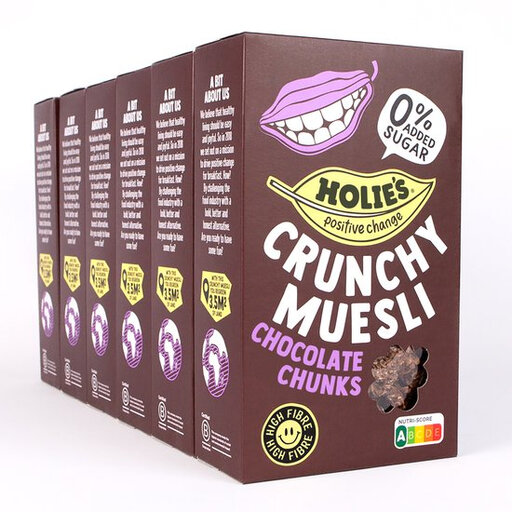 Image unavailable
Holie's Crunchy Muesli Chocolate Chunks 6 x 400 g
For a larger overall stock, with the option to open one 400 g pack at a time.
Multipack of six 400 g packs; check each pack’s label for allergen information and storage instructions.
View at Joybuy
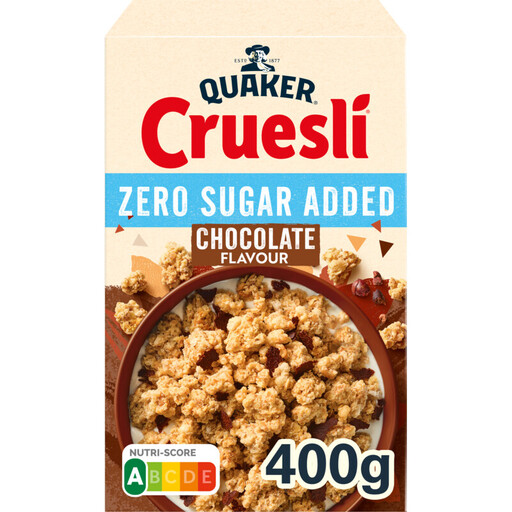 Image unavailable
Quaker Cruesli Choco Zero Sugar 400 g
A 400 g pack if you want to offer this chocolate variety in limited quantities at first.
Compare the current ingredients and nutritional information on the label; don’t judge the overall nutritional value by the product name alone.
View at Joybuy
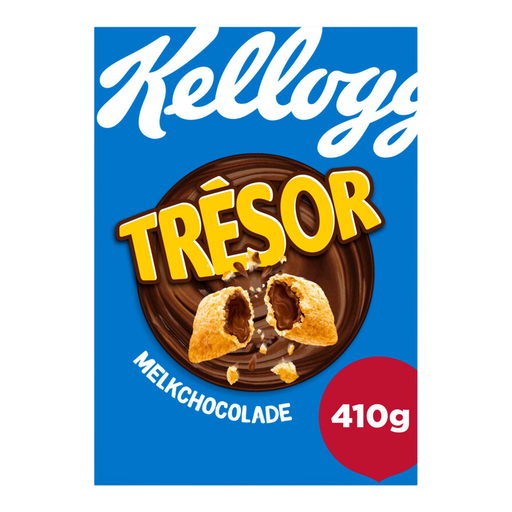 Image unavailable
Kellogg's Trésor Milk Chocolate 410 g
A smaller branded pack if you’d like to offer another chocolate variety alongside your regular buffet choice.
Net weight: 410 g. Use the current label to match the allergen information to the right buffet container.
View at Joybuy
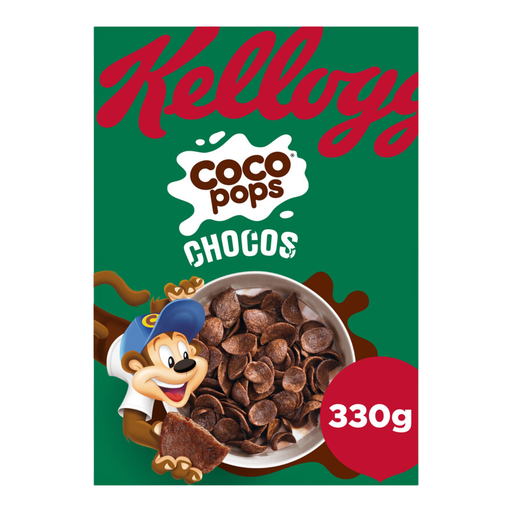 Image unavailable
Kellogg's Chocos 330 g
A pack for an additional chocolate option that you want to replenish in small quantities.
Net weight: 330 g; if demand is high, you may need to open a new pack more often. Check the current label for allergens.
View at Joybuy
Frequently asked questions
Do you need to display allergen information for breakfast cereals in a buffet dispenser?
Yes. Guests must be informed about allergens present in unpackaged food. The NVWA says that for cereals containing gluten and for nuts, it must also be clear which type of grain or nut is involved; make sure the information matches the exact product in the dispenser.
Does a hotel need to follow HACCP procedures for its breakfast buffet?
Yes. A hotel that prepares, processes or sells food must handle the storage and presentation of breakfast cereals in line with a HACCP food safety plan or the applicable hygiene code. The NVWA describes these procedures for the catering industry; make sure the way you manage opened packs fits your own processes and the product instructions.
How many buffet portions can I get from a large bag?
Divide the net weight by the serving size you use for that exact product and your buffet. The Netherlands Nutrition Centre uses 45 g as a serving in general nutritional information about other breakfast cereals; this isn’t a standard serving size for every chocolate variety.
Can an opened pack be left in the buffet area?
That depends on the product’s storage instructions and the hotel’s hygiene procedures. The NVWA says that safe food handling must be covered by those procedures; for Choco Kussentjes 500 g, Jumbo specifically instructs users to seal the pack properly after opening, but check the instructions for other varieties individually.


