
Vandaag of morgen in huis

Kwaliteit gegarandeerd

Welkomstaanbiedingen ontgrendelen: GRATIS bezorging | Tot 80% korting | Gratis 30 dagen JoyPlus-proefperiode
Download de app
When you search for chocolate breakfast cereals online, you’ll find plenty of options: from chocolate granola and chocolate muesli to chocolate cruesli, chocolate cornflakes and chocolate sprinkles. The packaging can make a product look appealing, but it doesn’t always tell you exactly what you’re buying. A crunchy texture, less sugar or extra fibre means you need to take a closer look at the ingredients list and the nutritional information table.
A product may contain chocolate in the form of pieces, filling, cocoa powder or sprinkles. The percentage varies a lot. According to the product information, Quaker Cruesli Chocolate contains 12% dark chocolate, while Kellogg’s Tresor Milk Chocolate states 8.5% milk chocolate in the filling. With some chocolate flakes, sugar is listed first in the ingredients.
So don’t just look at the front of the packet – check:
With granola with no added sugar, the product can still contain sugars from fruit, dates or other ingredients. Holie’s Granola Glutenfree Peanut Chocolate states 4 grams of sugar per 100 grams. The product information also notes 0% added sugar. These are two different facts.
Always compare the nutritional values per 100 grams. That way, you won’t be misled by a bold claim on the front of the packet.
Chocolate breakfast products come in all sorts of sizes, from 144 grams to multi-packs weighing several kilos. A small bag might look like a bargain, but it can be more expensive per 100 grams. Also check whether a multi-pack is right for your household. Buying in larger quantities is only practical if the packaging reseals well and you’ll use it before the best-before date.
To compare high-fibre breakfast cereals, protein-rich granola and ordinary sweet breakfast products, the figures per 100 grams are the most useful. Products differ in portion size, so comparing per bowl can be misleading.
Some examples from the product information:
A higher fibre or protein content doesn’t automatically make a product right for everyone. Also pay attention to the portion size, energy value, taste and any ingredients you want to avoid.
Always check the allergen information with every purchase, especially if you have a nut allergy or gluten intolerance. Many chocolate mueslis and crunchy mueslis contain oats, wheat, barley, soya, milk or nuts.
Holie’s Granola Glutenfree Peanut Chocolate is described as gluten-free in the product information and contains, among other things, gluten-free wholegrain oats, peanuts and buckwheat. The product may contain traces of various nuts and soya. So if you need to avoid peanuts, this option isn’t suitable.
Also note the difference between “may contain” and “contains”. If in doubt, the packaging is the deciding factor, because recipes and labels can change.
Granola and chocolate cruesli are toasted and crunchy. Muesli is often less crunchy and tends to focus more on flakes, grains and dried fruit. Chocolate cornflakes have a lighter texture. Chocolate sprinkles aren’t a complete breakfast on their own, but work well as a topping on bread, yoghurt or porridge.
Think about how you’ll use it:
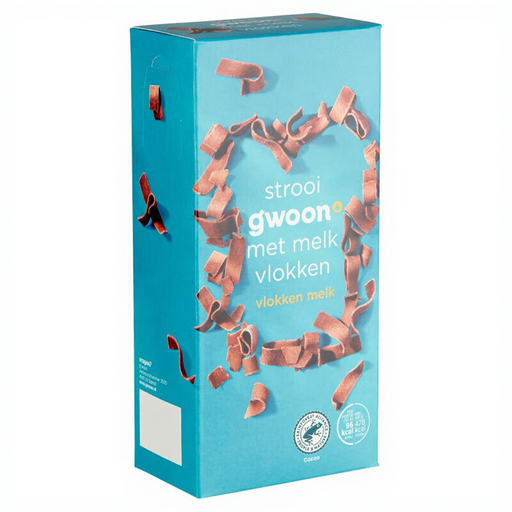
Why this fits the profile: A straightforward choice if you’re looking for chocolate flakes for bread or yoghurt and want to try a modest-sized packet first.
The 300-gram packet reduces the risk of buying too much. The nutritional information states 67.1 grams of sugars per 100 grams, so the sweet composition is clearly visible.
Milk chocolate flavour, suitable for bread and yoghurt, with a clearly stated weight.
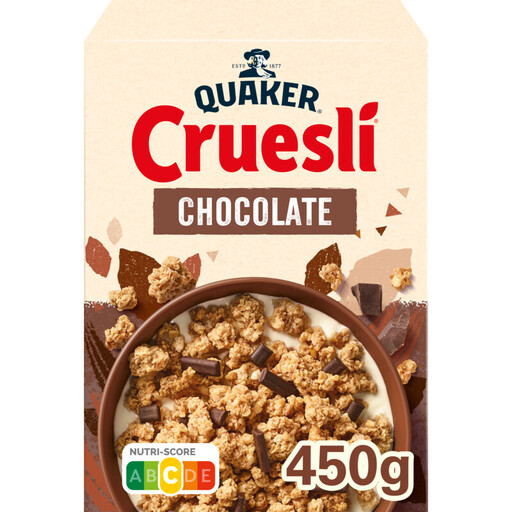
Why this fits the profile: An option for fans of crunchy muesli with toasted oats and dark chocolate.
The product information states 95% wholegrain and 10 grams of fibre per 100 grams. At the same time, 16 grams of sugars and 19 grams of fat per 100 grams are listed.
450 grams, 12% dark chocolate according to the label and natural flavourings according to the product information.
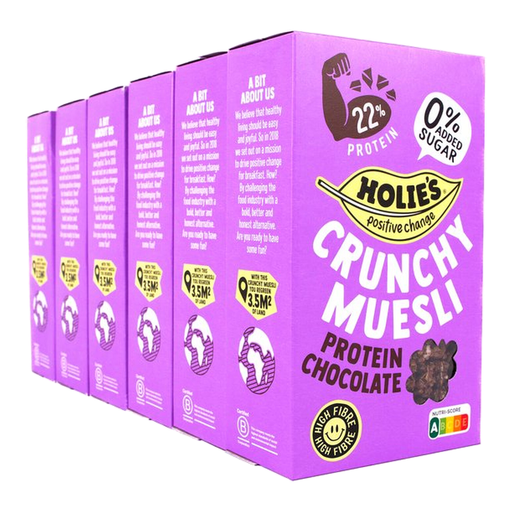
Why this fits the profile: Aimed at shoppers looking for a stock of wholegrain chocolate muesli with a high protein and fibre content.
The product information states 22 grams of protein, 21 grams of fibre and 2.1 grams of sugars per 100 grams. Do check for the presence of wheat and gluten.
Multi-pack with 6 bags of 400 grams, 0% added sugar according to the product description and 3% cocoa mass.
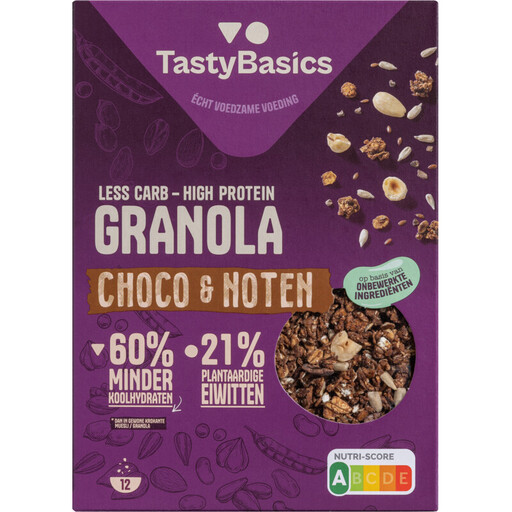
Why this fits the profile: Handy for households that want a compact granola with nuts, seeds and cocoa to combine with yoghurt or fruit.
The label data shows 6.8 grams of sugars per 100 grams and 0.02 grams of salt. The ingredients list mentions soya, oats, hazelnuts and almonds; check this before buying.
21 grams of protein and 28 grams of fibre per 100 grams according to the product information; 350-gram packet.
We’ve put together a full, up-to-date list of products that fully meet these strict selection criteria and comply with current European safety regulations.
Granola and chocolate cruesli generally give a crunchy texture. Pay attention to the sugar and fat content, because crunchy products often contain oil, syrup or sugar. Feel free to add fruit or unsweetened yoghurt to suit your taste.
No. “No added sugar” means that, according to the product information, no sugar has been added to the recipe. The product can still contain naturally occurring sugars. So always check the “of which sugars” line per 100 grams.
Keep the packet sealed in a cool, dry and dark place. Close the bag properly after use to maintain crunchiness and flavour. Check the best-before date on the packet before eating, and don’t use any product from a damaged packet.
