
Vandaag of morgen in huis

Kwaliteit gegarandeerd

Welkomstaanbiedingen ontgrendelen: GRATIS bezorging | Tot 80% korting | Gratis 30 dagen JoyPlus-proefperiode
Download de app
Chocolate breakfast cereals come in many forms: chocolate cereal, chocolate cornflakes, crunchy muesli and granola. With such a wide range on offer, choosing isn't always straightforward. A packet boasting dark chocolate, extra fibre or "no added sugar" might sound appealing, but it only tells you so much until you check the nutritional information table and ingredients list.
That's why it pays to watch out for three common pitfalls:
Serving sizes vary from brand to brand. One manufacturer might use 30g, another 45g. So use the values per 100g as your consistent benchmark.
For a practical comparison, look at:
The values apply to the product as stated on the label. Milk, yoghurt, fruit or extra toppings will add to these.
Ingredients are listed in descending order. If sugar, glucose syrup or a vegetable oil appears early in the list, it makes up a relatively large proportion of the recipe. For chocolate cereals, cocoa powder, cocoa mass, milk powder, nuts and grains may also be used.
A product labelled "chocolate flavour" doesn't necessarily have the same composition as one with visible chocolate pieces. Quaker Cruesli Chocolate, for example, lists dark chocolate with at least 67% cocoa mass in the ingredients list. Kellogg's Chocos mainly uses wheat flour and cocoa powder for its chocolate taste.
For anyone with an allergy or intolerance, the allergen declaration is decisive. The range includes wheat, barley, oats, milk, soya, peanuts and nuts among others.
If you're looking for gluten-free granola with chocolate, don't just rely on the front of the packet. Check whether the product is explicitly labelled as gluten-free and also read the warning about possible traces. Holie's Granola Glutenfree Peanut Chocolate states gluten-free wholegrain oat flakes, but does contain peanuts and may contain traces of various nuts and soya.
Also note the difference between:
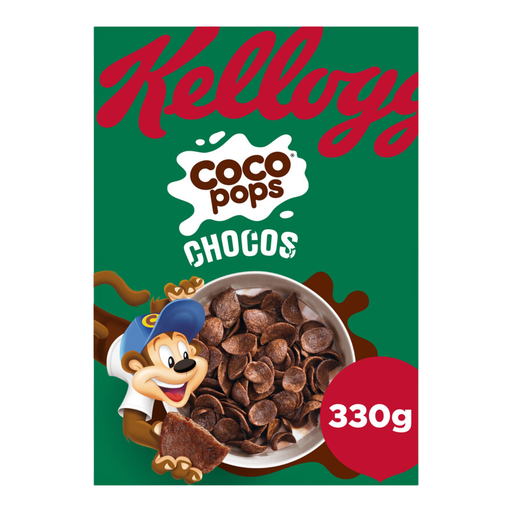
Why this fits the profile: A familiar choice for families who want to try chocolate cornflakes without committing to a large packet straight away.
The packet states the values per 100g: 22g sugars, 6g fibre and 10g protein. This lets you assess the sweetness and composition clearly.
330g; 6g fibre per 100g; enriched with several vitamins and iron according to the product information.
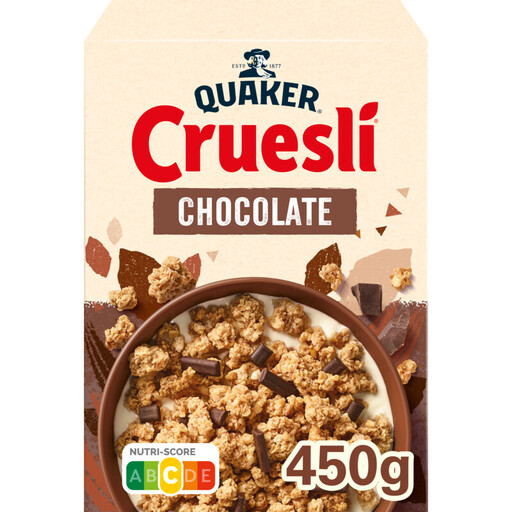
Why this fits the profile: Ideal for anyone looking for a crunchy muesli with chocolate and clear grain content.
The ingredients list states 37% wholegrain oats and 12% dark chocolate. So you can see exactly what proportion comes from grains and chocolate.
450g; 10g fibre per 100g; chocolate with at least 67% cocoa mass according to the product description.
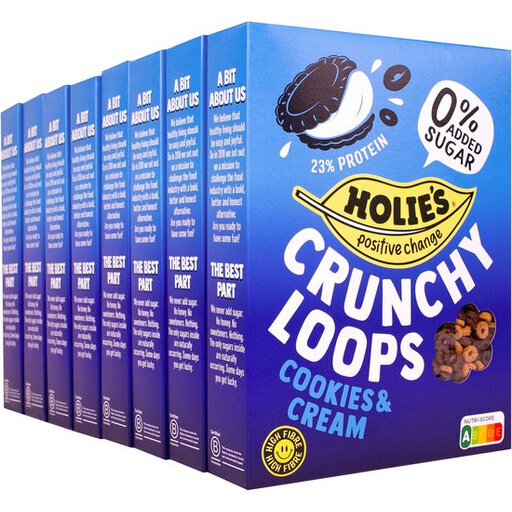
Why this fits the profile: A multipack for households that eat cereal often and want a higher protein and fibre content.
The product information states 0% added sugar. Per 100g it lists 4.9g sugars, 26g fibre and 23g protein.
350g per bag; 23% protein according to the product description; wheat and peanuts are clearly listed as allergens.
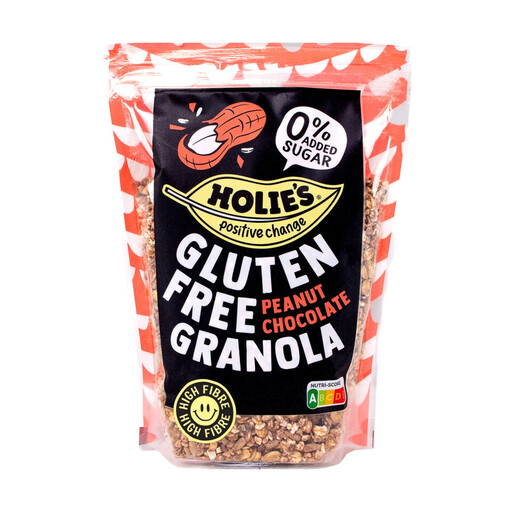
Why this fits the profile: Suits anyone looking for gluten-free granola with chocolate, peanuts and a satisfying crunch.
The product information states gluten-free wholegrain oat flakes and 0% added sugar. If you have allergies, always check the current packaging too.
330g; 14g fibre and 15g protein per 100g; contains 4g sugars per 100g according to the product information.
We've put together a full, up-to-date list of products that fully meet these strict selection criteria and comply with current European safety regulations.
That depends on the composition and your serving size. Compare the sugar, fibre, protein and fat content per 100g. You can combine chocolate cereal with yoghurt, milk and fruit, but also check how much extra sugar you're adding with toppings.
Chocolate muesli is usually a mix of flakes, grains and chocolate. Granola is often baked or toasted, so it frequently contains oil or syrup. The product names alone aren't enough for a comparison: look at ingredients, fibre, sugars and saturated fats.
Keep the packet cool, dry and out of direct sunlight. Seal the bag well to preserve the crunch and keep moisture out. Check the best-before information on the packet and don't use a damaged packet.
