What should you look for when buying?
Start with the ingredients and nutritional information for the variety you’re considering. Then check whether the pack size suits the number of people eating it and how you’ll store it after opening.
| What to consider |
What to check before buying |
Who should consider this? |
| Ingredients and nutritional value |
Check the type of grain and compare sugar, salt and fibre per 100 g; also check the stated portion size. |
If I give my toddler breakfast cereal, I want to know how the chocolate variety compares with the wholegrain option with no added sugar or salt recommended by the Netherlands Nutrition Centre. Around 33% of consumers would put this nutritional consideration first. |
| Pack size and family consumption |
Compare the weight of each bag with the number of people eating it, and check whether individual packs can be resealed properly after opening. |
Several of us eat it, but I don’t want to leave a large opened bag sitting around. For around 27% of consumers, actual family consumption would be the main consideration. |
| Allergens and rules |
Read the current ingredients and allergen information, and check the school or childcare provider’s policy if you’re packing a portion to take with you. |
If I’m packing a portion, I need to know whether the ingredients meet the requirements for my child and their group. For around 20% of consumers, this check would come first. |
| Flavour and product type |
Know the difference between muesli, granola and other breakfast cereals, and compare the ingredients of the variety your family wants to eat. |
I want to choose something the family will eat at home, without treating the flavour as proof that it’s suitable for a toddler. Around 20% of consumers would consider flavour and product type first. |
Chocolate breakfast cereal at Joybuy
This selection includes three multipacks of chocolate muesli or granola, plus a single 400 g pack of chocolate muesli. Choose between stocking up for several people and buying a smaller quantity. If you’re choosing for a toddler, always check the ingredients and allergens for the specific variety.
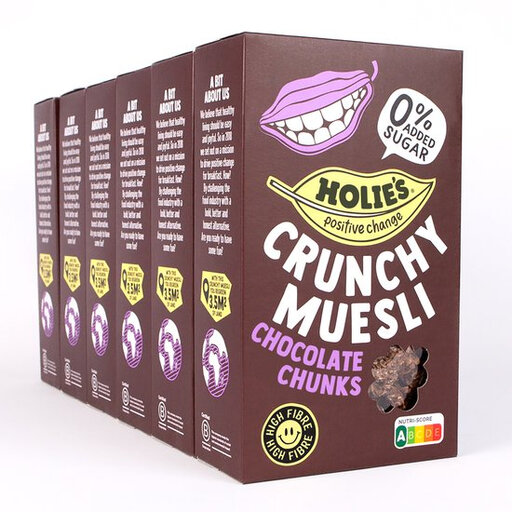 Image unavailable
Holie's Crunchy Muesli Chocolate Chunks, 6 × 400 g
The six packs are a good fit for a household that eats chocolate muesli regularly. Check the current ingredients, nutritional information and allergens on each pack before serving it to a toddler or packing it for school.
View at Joybuy
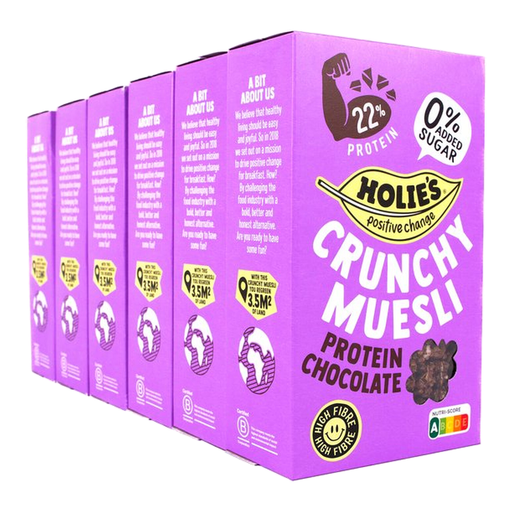 Image unavailable
Holie's Crunchy Muesli Protein Chocolate, 6 × 400 g
This multipack is an option if several family members eat chocolate muesli. Don’t rely on the variety name in place of the full nutritional information, and check the allergens on the pack before serving.
View at Joybuy
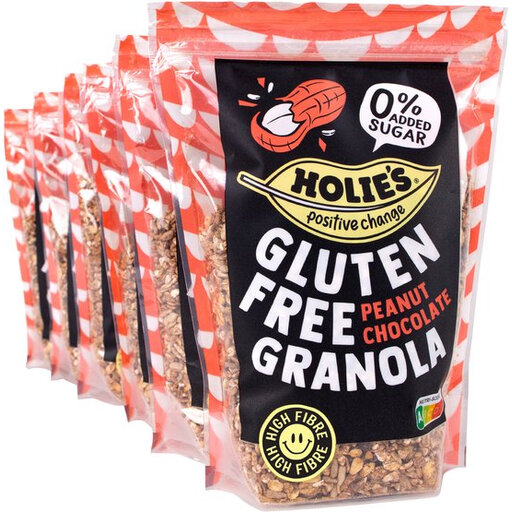 Image unavailable
Holie's Granola Glutenfree Peanut Chocolate, 6 × 330 g
The six packs provide a stock of chocolate granola, which is a different product type from muesli or shells. Check the current information about peanuts and other allergens, as well as the Glutenfree claim on the pack; this claim doesn’t mean the product is allergen-free.
View at Joybuy
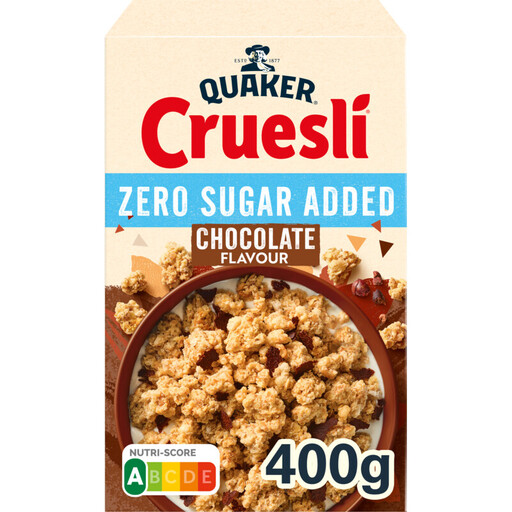 Image unavailable
Quaker Cruesli Choco Zero Sugar, 400 g
The single 400 g pack is better suited to trying a variety than stocking up in bulk. Read the nutritional information and allergens on the pack; don’t judge whether it’s suitable for a toddler based only on the words Zero Sugar in the product name.
View at Joybuy
Frequently asked questions
Can chocolate breakfast cereal replace bread every day for a toddler?
Not without checking the variety you choose. The Netherlands Nutrition Centre recommends bread as a staple for children aged 1 to 3, with porridge, muesli or other wholegrain breakfast cereals with no added sugar or salt as alternatives. So compare a chocolate variety by its ingredients and nutritional information, not just its flavour.
When is a family-size pack practical?
A larger pack makes sense if your family eats it regularly and you can store it properly once opened. Check whether you’re buying one large bag or several smaller packs, and think about how much your household will use.
Can I pack chocolate breakfast cereal containing gluten for school or childcare?
Before packing a portion, ask the school or childcare provider what rules apply to food brought in from home. Also check the current label: according to the Netherlands Food and Consumer Product Safety Authority, if ingredients contain gluten, the type of grain must be listed in the ingredients.
What allergen information should I check on a new pack?
Read the ingredients list and allergen information on the pack you’re actually using, even if you’ve bought the product before. For example, AH Chocosmaak schelpen lists wheat and several potential allergens; don’t assume the same information applies to other chocolate breakfast cereals.
How should I store breakfast cereal after opening?
Seal the pack securely after use and store the contents according to the instructions on the pack. This is especially important if you’ll be keeping a large bag open for a while; with a multipack, you can leave the individual packs sealed until you need them.


