If you’re looking for a quick chocolate breakfast and need a product that is literally sugar-free, don’t rely solely on claims such as ‘0% sugar’ or ‘no added sugar’ on the front of the pack. Check the sugar content per 100 g. According to Albert Heijn’s product information, Quaker Cruesli Zero Sugar Added Chocolate contains no added sugars or sweeteners, while AH Krokante Muesli Chocolade 0% Suiker contains 0.6 g of sugars per 100 g but does contain maltitols. Neither of these details means that the products are literally sugar-free.
Who is this distinction important for?
If you’re looking for a product that is literally sugar-free
You want to know whether the ‘sugar-free’ claim is accurate. So check the ‘of which sugars’ figure per 100 g rather than relying on the wording on the front of the pack. The Netherlands Nutrition Centre also recommends comparing products per 100 g.
If you avoid added sugars and sweeteners
You’re looking for chocolate breakfast cereal with no added sugars and, ideally, no sweeteners either. That’s different from looking for a product that is literally sugar-free: naturally occurring sugars may still be present.
If you want to prepare a bowl of cereal quickly
You want to serve a portion of muesli or breakfast cereal with ease. As well as sugars, compare fibre and portion size, and check whether the nutritional information is for the dry product or for a serving with milk or yoghurt.
What should you look for when choosing?
First decide whether you need a product that is literally sugar-free, or whether your main aim is to avoid added sugars and sweeteners. Then compare the nutritional information on a like-for-like basis and choose a portion that suits your morning routine.
| What to consider |
What to check before buying |
Most relevant for |
| Literally sugar-free |
Check the ‘of which sugars’ figure per 100 g and distinguish between ‘sugar-free’ and ‘no added sugars’. Under the EU conditions for the ‘sugar-free’ claim, a product may contain no more than 0.5 g of sugars per 100 g. |
If I’m looking for a product that is literally sugar-free, I don’t want to rely on similar wording on the front of the pack. An estimated 42% of consumers prioritise this exact sugar limit. |
| Added sugars and sweeteners |
Check both claims separately and read the ingredients list: ‘no added sugars’ does not automatically mean ‘no sweeteners’. |
I want to avoid both, even if a product still contains naturally occurring sugars. An estimated 33% of consumers give this combination the highest priority. |
| Fibre and portion size |
Compare the nutritional values per 100 g and check how much you serve. See whether the stated values per portion include milk or yoghurt. |
On a busy morning, I want to know what’s in my usual bowl and how much preparation it takes. For an estimated 25% of consumers, this practical breakfast choice matters most. |
Common mistakes
-
Reading ‘0% added sugar’ as ‘sugar-free’
These terms don’t mean the same thing. Under the EU conditions for a sugar-free claim, a product may contain no more than 0.5 g of sugars per 100 g or 100 ml; a product with no added sugars may still contain sugars.
If you need a product that is literally sugar-free, check the ‘of which sugars’ figure per 100 g on the pack.
-
Comparing a prepared serving with dry breakfast cereal
A value for muesli with yoghurt isn’t directly comparable with a value per 100 g for the dry product. Adding yoghurt changes what’s in the bowl you serve.
For product comparisons, put the values per 100 g side by side and assess milk or yoghurt separately.
-
Overlooking sweeteners and allergens
Albert Heijn lists maltitols in AH Krokante Muesli Chocolade 0% Suiker and warns that excessive consumption may have a laxative effect. The muesli products in question also have different allergen declarations.
Before buying, check the latest ingredients and allergen information on the pack, especially if you need to avoid sweeteners or specific allergens.
Brands to consider
The differences below apply to the products named, not to every breakfast cereal from these brands.
Albert Heijn
AH Krokante Muesli Chocolade 0% Suiker is a crunchy muesli for anyone who mainly checks the amount of sugars per 100 g.
- Albert Heijn lists 0.6 g of sugars and 7.8 g of fibre per 100 g.
- The product contains maltitols and pecan nuts; Albert Heijn warns that excessive consumption may have a laxative effect. The stated sugar value is above the EU limit for the ‘sugar-free’ claim.
Quaker
Quaker Cruesli Zero Sugar Added Chocolate is a crunchy muesli for anyone looking to avoid both added sugars and sweeteners.
- The product information shown by Albert Heijn states that it contains no added sugars or sweeteners.
- The product contains naturally occurring sugars. The serving values shown include yoghurt, so they aren’t directly comparable with values per 100 g for dry muesli; the product contains oats, wheat and milk, and may contain nuts.
Kellogg's
Kellogg's Special K Pure Chocolade is a standard chocolate variety, not an option for anyone looking to avoid added sugars.
- Kellogg's lists rice, wholemeal wheat, barley and dark chocolate as ingredients.
- According to Kellogg's, this product contains added sugar and 17 g of sugars per 100 g. It therefore does not meet the EU limit for the ‘sugar-free’ claim.
Chocolate breakfast cereal on Joybuy
These products offer muesli or cocoa hoops for a quick breakfast bowl. If you’re looking for a product that is literally sugar-free, check the current amount of sugars per 100 g for each product; ‘no added sugars’ doesn’t answer that question.
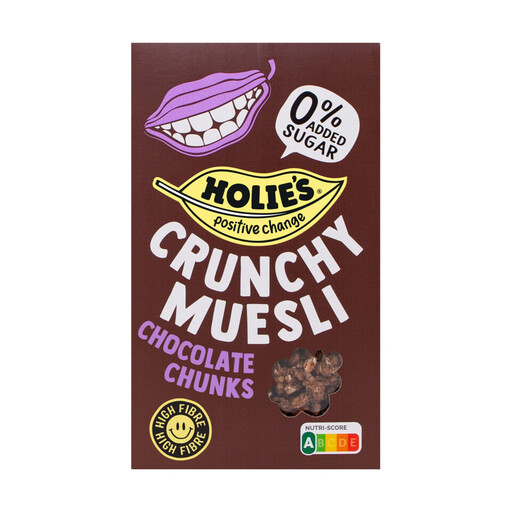 Image unavailable
Holie's Crunchy Muesli Chocolate Chunks, 400 g
A chocolate muesli to consider if you want to put together a breakfast bowl quickly. Compare the sugar and fibre content per 100 g on the pack, and check the allergen information if you need to avoid cereals containing gluten, milk or nuts.
View on Joybuy
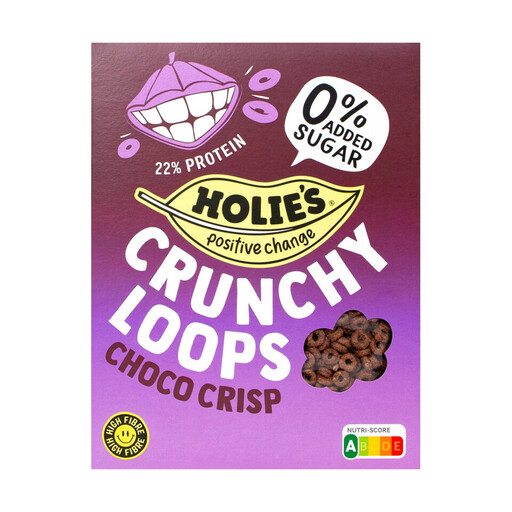 Image unavailable
Holie's Crunchy Loops Choco Crisp, 350 g
Cocoa hoops are a different option from muesli if you’re looking for a quick breakfast bowl. Check the sugar content per 100 g and the ingredients separately; pay particular attention to wheat and peanuts in the allergen information.
View on Joybuy
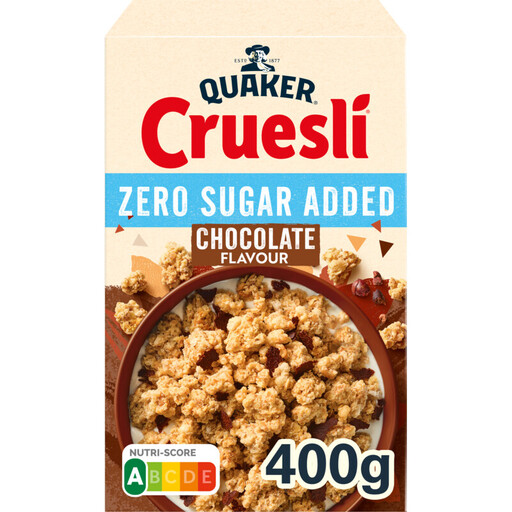 Image unavailable
Quaker Cruesli Choco Zero Sugar, 400 g
This chocolate cruesli is a good fit for a simple breakfast bowl. If you want to avoid both added sugars and sweeteners, check both claims on the pack. Compare nutritional values only once you’ve confirmed whether they’re given per 100 g or per prepared serving. Also check the allergen information for milk, wheat, oats and possible traces of nuts.
View on Joybuy
Frequently asked questions
Does ‘no added sugars’ mean the same as ‘sugar-free’?
No. Under the EU conditions for the ‘sugar-free’ claim, a product may contain no more than 0.5 g of sugars per 100 g or 100 ml. A product with no added sugars may still contain naturally occurring sugars, so check the ‘of which sugars’ figure in the nutritional information.
Why should I read the ingredients list as well as the sugar content?
It lets you check for things such as sweeteners and allergens. Albert Heijn lists maltitols and pecan nuts for AH Krokante Muesli Chocolade 0% Suiker. For Quaker Cruesli Zero Sugar Added Chocolate, it lists oats, wheat and milk, with the possible presence of nuts. Always check the latest information on the pack of the product you’re buying.
How do I compare a quick breakfast bowl with yoghurt with dry muesli?
First compare the dry products per 100 g, then consider what the added yoghurt contributes. Albert Heijn gives 40 g as the bowl serving for AH Krokante Muesli Chocolade 0% Suiker, while the serving shown for Quaker Cruesli Zero Sugar Added Chocolate consists of 45 g of product with 100 ml of low-fat yoghurt.


