
Families who share breakfast every day
If several people often eat the same breakfast cereal, the pack size and how well the opened bag can be stored are both worth considering.


Choose an 850–900 g pack if several family members regularly eat the same chocolate breakfast cereal and you can seal the pack properly once opened. If you like to switch between flavours or only eat it occasionally, 450–500 g may be more practical. Also compare the nutritional information and allergens for each product: muesli, granola and other chocolate breakfast cereals do not necessarily have the same ingredients.
If several people often eat the same breakfast cereal, the pack size and how well the opened bag can be stored are both worth considering.
If you’re looking for a chocolate variety but also want to check what’s in it, compare sugars and fibre per 100 g, the grains used and the ingredients list.
If everyone at home eats different cereals, a smaller pack or more than one variety may be more practical. If there are relevant allergens, check the current packaging of every variety you choose.
First, decide whether your family regularly eats one particular variety. Then compare the pack size with what you can store, and check the label for each product.
| What to consider | What should you check? | Who should consider this? |
|---|---|---|
| Pack size and storage | Compare the net weight with how much you use, and check whether the pack can be sealed securely once opened. | If several of us often eat the same cereal, I want to have enough at home without leaving a bag open for too long. Around 37% of consumers say finding a suitable pack size is their top priority. |
| Nutritional information | Compare sugars and fibre per 100 g, and check which grains are listed in the ingredients. | When choosing a chocolate variety, I want to know what’s in the product, not just what the pack looks like. Around 27% of consumers prioritise comparing the ingredients. |
| Allergens | Check the current packaging for both the ingredients and any warnings about the possible presence of allergens. | If someone eating it needs to avoid certain ingredients, I need to be able to check whether each product is suitable. This is the main purchasing consideration for around 18% of consumers. |
| Flavour and type of cereal | Check the product type and choose a quantity that suits how often that particular variety is eaten. | When tastes differ at home, I don’t want to be left with a large supply of one variety. Around 18% of consumers say variety is the deciding factor. |
Chocolate breakfast cereals can vary in their sugar and fibre content, as well as the grains they contain. Muesli, granola and other cereals are not automatically interchangeable either.
Compare the nutritional information per 100 g and the ingredients lists when choosing between varieties.
Ingredients and allergen information can change. The Netherlands Food and Consumer Product Safety Authority (NVWA) states that allergen information for prepacked products must appear on the label.
Check the current packaging before buying and eating the product, including any warnings about the possible presence of allergens.
The Netherlands Nutrition Centre recommends storing breakfast products in a cool, dry, dark place and keeping them sealed properly.
Carefully seal the inner bag or use a clean, airtight storage container. Also follow the storage instructions on the packaging.
A bag left open for too long may lose quality before you finish it.
AH Choco crisps comes in a 500 g pack, which you can compare with other chocolate breakfast cereals.
Jumbo lists products including Crunchy Muesli Pure Chocolade in a 900 g pack, as well as chocolate varieties in 500 g packs.
Golden Bridge is ALDI’s own brand, which includes a 900 g pack of crunchy chocolate muesli.
Nestlé Nesquik cereals is a 450 g chocolate variety for anyone looking for a smaller pack or a particular type of grain.
Kellogg's offers chocolate varieties with different grains and textures, including Coco Pops Chocos and Special K Pure Chocolade.
This selection includes multipacks of smaller bags and individual packs weighing 410–450 g. Choose a multipack only if you eat that variety often enough; a smaller pack gives you more flexibility to switch between flavours.
 No image available
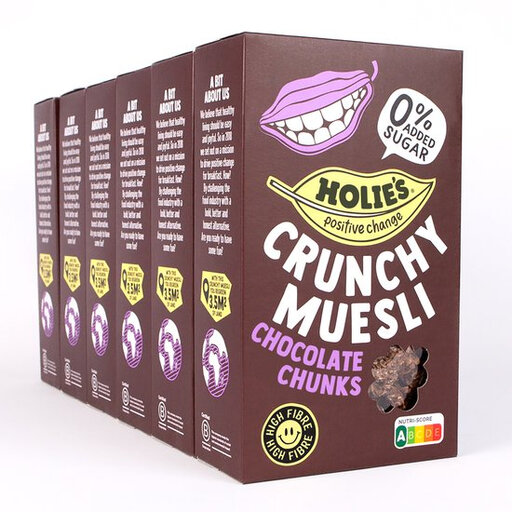
This multipack may suit you if several family members regularly eat the same chocolate muesli. It contains six 400 g packs, not one large bag, so check that the quantity suits your household’s consumption and storage space.
 No image available
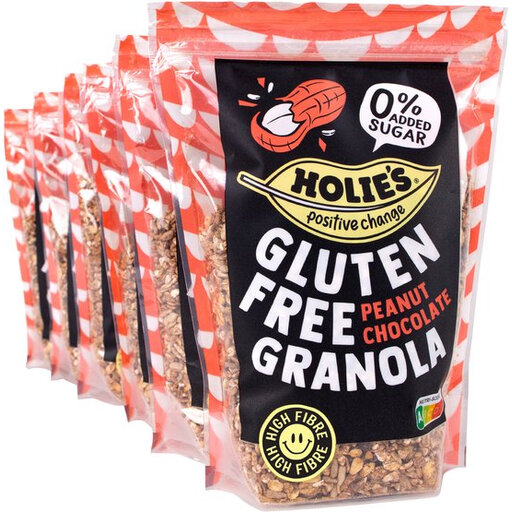
This granola multipack is an option if peanut and chocolate suit your household’s preferences. It contains six 330 g packs. If you have dietary requirements or need to avoid allergens, check the current packaging; don’t assume a product is suitable based on its name alone.
 No image available
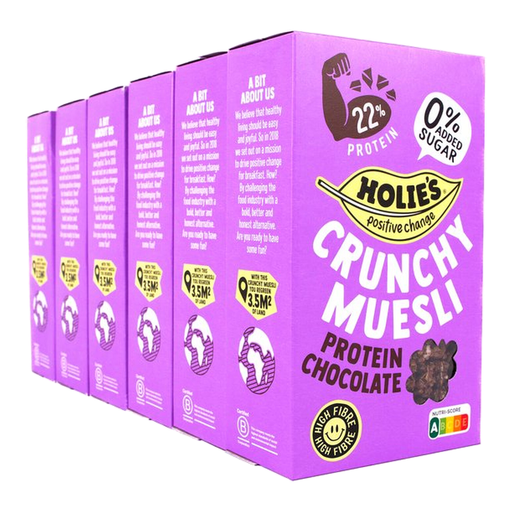
This multipack is for anyone who regularly eats the same chocolate muesli. It contains six 400 g packs. Compare the current nutritional information and check that the quantity suits your family’s consumption.
 No image available
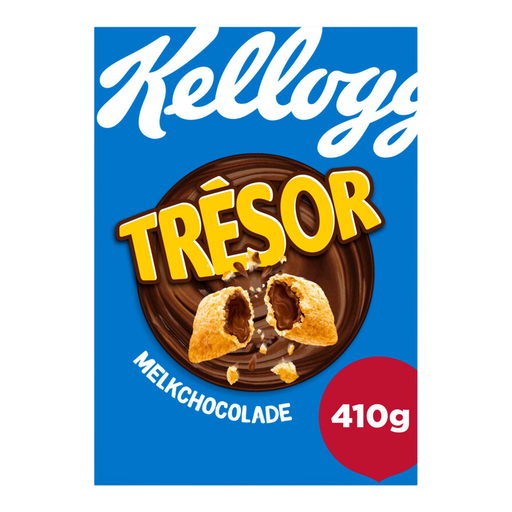
A 410 g pack may be more convenient if your family likes to alternate between different types of cereal. If you need to avoid allergens, check the current ingredients list and warnings on the packaging.
 No image available
This 450 g chocolate muesli may suit you if a large bag would be left open for too long. Check the storage instructions before use and, if you need to avoid any allergens, check the current label.
A 900 g pack is most practical if several people regularly eat the same variety and you can seal the pack properly once it’s open. If you like to switch between flavours or only eat it occasionally, 450–500 g may better suit how much you use.
Compare sugars, fibre and other nutritional values per 100 g, and check the ingredients list too. This also shows you which grains a product contains; treat muesli, granola and other cereals as separate product types.
Check the current packaging for the specific variety, including any warnings about the possible presence of allergens. The Netherlands Food and Consumer Product Safety Authority (NVWA) states that allergen information for prepacked products must appear on the label.
Store opened breakfast cereal in a cool, dry, dark place and keep it sealed properly, as recommended by the Netherlands Nutrition Centre. Also follow the instructions and best-before date on the specific pack, and check the product’s quality as you use it.