
Stock-up shoppers keeping an eye on quantity
These households regularly enjoy a sweet breakfast and want to know whether a larger pack suits their needs, without buying more than they can use.


Choose a large pack of chocolate breakfast cereal only if your household eats it regularly and you can store it properly after opening. Then compare the nutritional values per 100 g and check the ingredients and allergens on the current packaging. Choco chips, filled pillows, muesli and granola are not interchangeable.
A large pack is best suited to a household that eats its chosen breakfast cereal often enough to use it up while it’s still fresh after opening.
These households regularly enjoy a sweet breakfast and want to know whether a larger pack suits their needs, without buying more than they can use.
For them, a familiar taste or crunchy texture matters most. They prefer to choose a pack size of the cereal that’s actually eaten at home.
These shoppers want to keep the chocolate flavour, while comparing sugars, fibre, fat and ingredients per 100 g. The Netherlands Nutrition Centre recommends comparing products per 100 g.
First, decide which type of product is eaten at home and what pack size suits you. Then compare the nutritional information per 100 g and check the ingredients and allergens for each individual product.
| What to consider | What to check when buying | Who it matters to |
|---|---|---|
| Stock and pack size | Check the net weight and storage instructions; choose an amount that will be used at home. | When we often eat the same sweet breakfast, I want to have enough in the cupboard without leaving an opened pack for too long. This is the main priority for around 36% of consumers. |
| Nutritional values | Compare sugars, fibre, fat and salt per 100 g, not just the values per serving. | I want to choose chocolate breakfast cereal without relying solely on a prominent claim on the front of the pack. Nutritional values are the main consideration for around 29% of consumers. |
| Taste and texture | Check the product type: chips, shells, filled pillows, crunchy muesli and granola are all different. | A larger pack is only useful for us if everyone enjoys the product type we choose. This preference is the deciding factor for around 21% of consumers. |
| Ingredients and allergens | Check both the ingredients and the ‘contains’ and ‘may contain’ statements on the current pack. | If I need to avoid certain ingredients, I want to know exactly what’s in this product before buying it in bulk. This is the first selection criterion for around 14% of consumers. |
The fibre content doesn’t tell you how much sugar, fat or salt the same product contains. The full nutrition table still matters, even for chocolate breakfast cereal made with wholegrains.
Compare products per 100 g, focusing on the values that matter to you. The Netherlands Nutrition Centre recommends this basis for comparison because serving sizes can vary.
Chips, filled pillows and muesli can contain different ingredients and ‘may contain’ statements. What was on a pack you bought before may not be the same as what’s on a new one.
Check the current ingredients list and allergen information for each product, even if you already know the name.
A large pack is less practical if your household uses it slowly or you can’t seal an opened bag properly.
Choose a size that suits the number of breakfasts eaten at home and follow the storage instructions on the packaging.
An opened pack that isn’t sealed or stored properly may lose quality before you finish it.
These brands give you an idea of the product types available; assess the ingredients and suitability of each product and pack individually.
Kellogg's makes chocolate breakfast cereals such as Coco Pops Chocos. Kellogg's Netherlands describes this product as wheat grains with a chocolate flavour.
Nestlé’s Nesquik range includes wheat-based chocolate breakfast cereal. The ingredients and pack size listed apply to the individual variant.
Albert Heijn offers, among other products, AH Chocosmaak Schelpen in a 500 g pack: a different product type from chips or filled pillows.
Jumbo offers several types of chocolate breakfast cereal, including Chocosmaak Chips and filled Choco Kussentjes in 500 g packs.
Lidl Netherlands lists Krokante Muesli Chocolade in its store range. Crunchy muesli is a different category from loose chocolate chips or shells.
Under the Golden Bridge brand, ALDI lists Krokante Muesli Chocolade in a 900 g pack, along with other types of chocolate breakfast cereal.
Here you’ll find four multipacks featuring different types of chocolate breakfast cereal, along with one single pack of chocolate cruesli. First, choose the type and quantity your household gets through; then assess the nutritional information and allergens for each product.
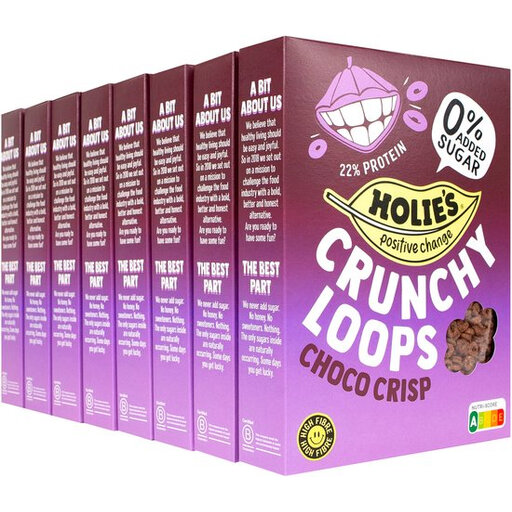 Image unavailable
A multipack for a household that regularly eats this type of chocolate breakfast cereal.
The product name indicates that the pack contains eight 350 g boxes. Before eating, check the current ingredients and allergens on each pack.
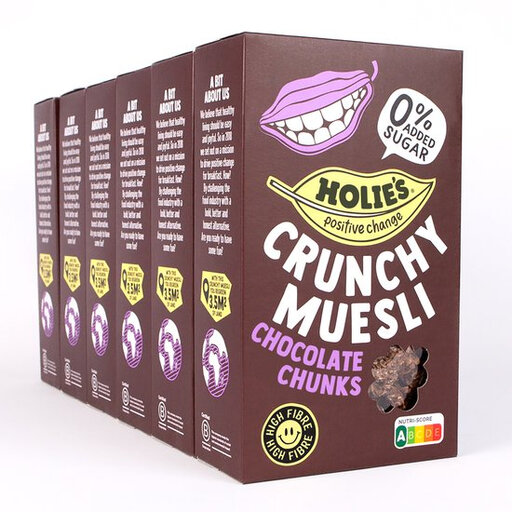 Image unavailable
For households that regularly eat crunchy chocolate muesli and prefer to keep several individual packs at home.
The product name indicates that the pack contains six 400 g boxes. Don’t assume this muesli is the same as chocolate chips: check the nutritional information and allergens on the packaging too.
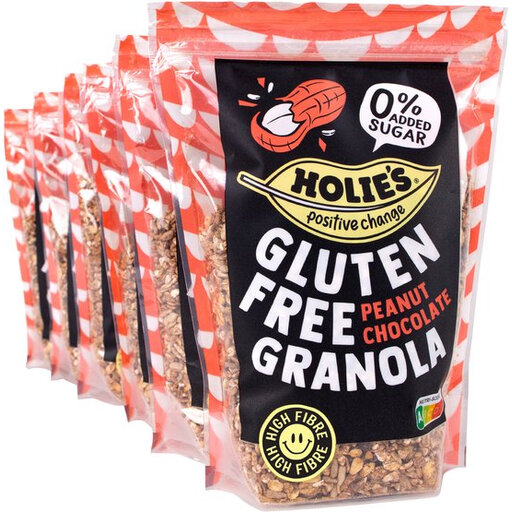 Image unavailable
A granola option for households specifically looking for a combination of peanuts and chocolate.
The product name indicates that the pack contains six 330 g boxes. If you have a dietary restriction, don’t rely solely on the word ‘Glutenfree’ in the name: check the current packaging and allergen information.
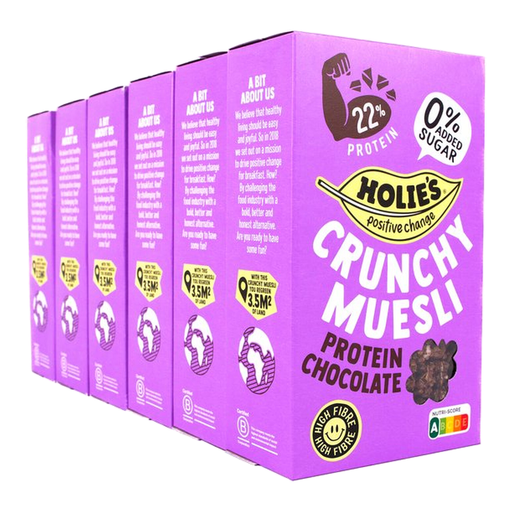 Image unavailable
For households that regularly eat crunchy chocolate muesli and want to compare this particular variant with other muesli.
The product name indicates that the pack contains six 400 g boxes. Assess the nutritional values per 100 g and check the allergens on the current pack; the variant name alone doesn’t give you the full nutritional picture.
 Image unavailable
A single pack for anyone who wants to choose chocolate cruesli without buying a multipack straight away.
The product name indicates that the pack contains 450 g. Compare the nutritional information per 100 g and check the ingredients and allergens on the current pack.
A multipack is practical if your household eats that specific cereal regularly and you can store the individual packs properly. Choose an amount that suits your needs and follow the storage instructions on the pack after opening.
Compare the values per 100 g so that different pack sizes and serving suggestions don’t skew the comparison. The Netherlands Nutrition Centre recommends this basis. Also consider other values that matter to your choice, such as fat and salt.
No, they’re different types of product and may have different ingredients and nutritional values. First choose the type that’s eaten at home, then compare the labels of the individual products.
Yes, check the allergen information on the current pack, even if you’ve bought the product before. Read both the ingredients list and any ‘may contain’ statements; don’t rely on the brand or variant name alone.
No, fibre content is just one part of the nutritional information. Compare sugars and fat per 100 g as well, and check the ingredients rather than basing your choice on a single claim on the front of the pack.