
Anyone having a quick breakfast on their own
You want to grab one portion without having any left over. First decide whether you want to quickly put something in a bowl at home, or eat on the go without a bowl or milk.


If you want chocolate breakfast cereal for one, a box is a good choice if you can measure out a portion at home and eat it from a bowl. If you want something to eat on the go without a bowl, an individually wrapped bar is another type of product to consider, not a single-serve portion of cereal. Whichever you choose, check the portion size, nutritional information and allergens on the packaging.
You want to grab one portion without having any left over. First decide whether you want to quickly put something in a bowl at home, or eat on the go without a bowl or milk.
You want a chocolate flavour, but you’re also checking sugars, fibre and energy per 100 g and per portion. This lets you compare different packs on a like-for-like basis.
Before buying, read the ingredients and allergen information for the variant you’ve chosen. Chocolate breakfast cereals can differ in this respect, so always check the current packaging rather than relying on the product name alone.
First decide whether you want to measure out cereal for a bowl or need something you can take with you without any preparation. Then compare the nutritional information and ingredients of the product type that suits you.
| What to consider | What to check | Who is this important for? |
|---|---|---|
| Taking it with you or measuring out a portion | Check whether portions are individually wrapped and whether you’ll need a bowl and milk, yoghurt or an alternative to eat it. | If you want to eat on the go without a bowl, the product needs to be ready to take with you; a box you can measure out at home won’t meet that need. Around 42% of consumers prioritise this convenience. |
| Nutritional value and portion size | Compare sugars, fibre and energy per 100 g, then check the portion size shown on the packaging. | If you’re having cereal from a bowl, you’ll want to know the nutritional value of the amount you pour out. Around 33% of consumers prioritise comparing portion size and nutritional value. |
| Ingredients and allergens | Read the current ingredients list and allergen information for the variant you’ve chosen, including any ‘may contain’ statement. | If you need to avoid certain ingredients, you’ll want to check the packaging before eating. For around 25% of consumers, this is their main consideration when buying. |
A stated portion of 30 g or 40 g doesn’t mean the contents are divided into individual packs. With a multi-portion box, you measure out the amount you want yourself.
If individual packs are important to you, check that the label explicitly says they’re individually portioned. For a box, use the stated portion size as a starting point when measuring out your serving.
Portion sizes vary from one product to another, so you can’t directly compare the value per portion with the value per 100 g on a different pack.
First compare the same nutritional values per 100 g, then consider what they mean for the amount you actually eat.
The chocolate variants reviewed differ in their ingredients and allergens. A name that simply includes ‘chocolate’ doesn’t tell you which grains, milk ingredients, nuts or other ingredients it contains.
Read the ingredients list and allergen information on the pack you’re buying, even if you’ve looked at the product before.
An individually wrapped bar is easy to take with you and eat without a bowl, but it’s a different type of product with a different mix of ingredients from cereal eaten with milk or yoghurt.
First decide how you want to eat it. Then compare the nutritional information and allergens of products within that product type.
Albert Heijn and Jumbo list various Kellogg's chocolate variants, including Coco Pops Chocos, Special K Pure Chocolade and Trésor.
AH Krokante Muesli Chocolade is muesli for a bowl of breakfast cereal, with dark chocolate, almonds and hazelnuts.
Jumbo’s breakfast cereal range includes Special Flakes Pure Chocolade and its own-brand Chocosmaak Chips.
ALDI’s Golden Bridge own-brand range includes Special Flakes Dark Chocolate and Choco Kussentjes.
Lidl lists crunchy muesli with chocolate in its breakfast and spreads range.
Nestlé’s Belgian NESQUIK product page describes chocolate breakfast cereal in 450 g and 625 g packs.
These boxes are options if you want to measure out a portion of chocolate breakfast cereal at home. They aren’t individually wrapped portions of cereal for breakfast on the go.
 No image available
For anyone who wants to measure out chocolate cruesli at home for a bowl of cereal.
The 450 g pack doesn’t contain individually wrapped portions; check the portion size and allergens on the label.
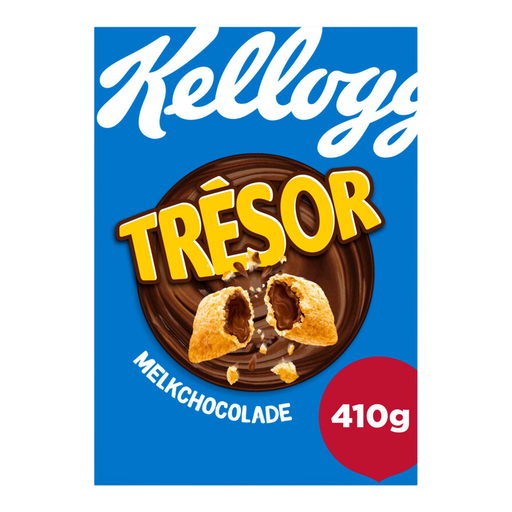 No image available
For anyone who wants to measure out a portion of filled chocolate breakfast cereal at home.
The 410 g box isn’t an individually portioned pack. When comparing nutritional values, check what quantity the table is based on, and read the current allergen information.
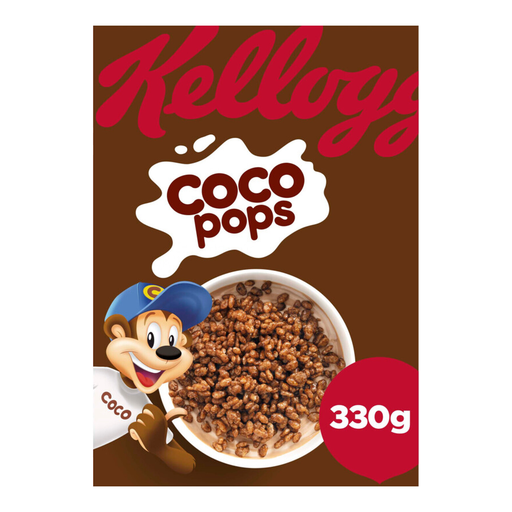 No image available
For anyone who wants to pour out their own portion of Coco Pops at home.
The 330 g pack doesn’t contain individually wrapped portions. Check the portion size, nutritional information and allergens for this variant on the label.
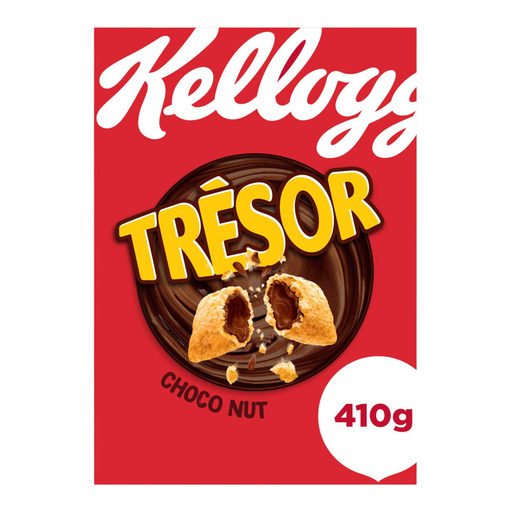 No image available
For anyone who wants to measure out a bowl of chocolate breakfast cereal with a hazelnut filling.
The box contains 410 g and isn’t an individually wrapped portion. Joybuy lists 26 g of sugars and 16 g of fat per 100 g for this variant; also check the allergens and current nutritional information on the packaging.
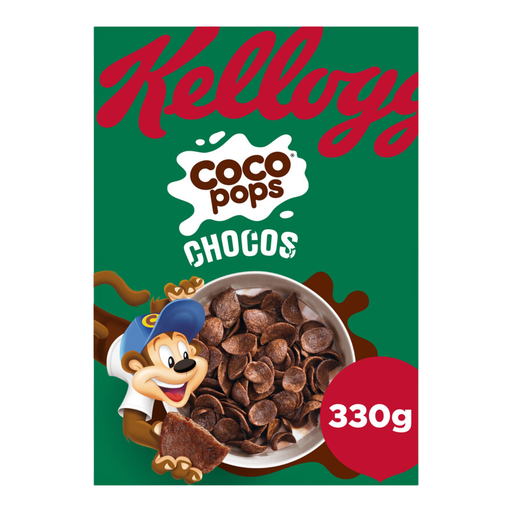 No image available
For anyone who wants to measure out chocolate breakfast cereal at home.
This 330 g box doesn’t contain individually wrapped portions. Check the portion size, basis for the nutritional values and allergens on the label.
No. The portion size on a box tells you how much to measure out, not that this amount is wrapped separately. If you want to grab a portion without scooping it out, check whether the pack contains individual portions.
An individually wrapped muesli bar may suit you if you want to eat without a bowl, but it’s a different type of product from cereal eaten with milk or yoghurt. So compare the bar’s ingredients, nutritional value and allergens separately.
Measure out the amount you want to eat at home and have everything you need for breakfast in a bowl to hand. Follow the packaging instructions for storing the product after opening.
Check the ingredients, allergens, net quantity and nutritional value on the pack you’ve chosen. The European Union lists this information in its labelling rules for prepacked foods. Compare nutritional values on the same basis, such as per 100 g, and also check the stated portion size.