
Weekend coffee or tea drinker
Looking for a crunchy chocolate biscuit as a little treat with a hot drink, and wants to keep an eye on portion size.


Choose a small portion of chocolate biscuits if you’re looking for something to enjoy with coffee or tea. If you’re after a more distinctive biscuit flavour, compare chocolate speculoos or butter biscuits too. For a shared weekend breakfast, the packaging matters as well. Check the ingredients, allergens and nutritional information per 100 g and per portion for each option.
Looking for a crunchy chocolate biscuit as a little treat with a hot drink, and wants to keep an eye on portion size.
Needs enough biscuits for family or guests. The number of biscuits, any individual wrappers and how to store an opened pack all matter.
Compares ingredients, allergens, sugars and saturated fat, both per 100 g and per portion. If you have a food allergy, the information on the packaging of the product you buy is what counts.
First, decide whether you want a biscuit to enjoy with a hot drink, a pack for sharing or a product with specific labelling information. Then compare the options that meet your needs.
| What to consider | What to check when buying | Who is this most important for? |
|---|---|---|
| A biscuit with coffee or tea | Check what type of biscuit is underneath the chocolate and how much one biscuit or stated portion weighs. | If I want one crunchy biscuit with my coffee, I look for a portion that suits me. For around 43% of consumers, this little treat comes first. |
| Packaging for sharing | Compare the number of biscuits, net weight and any individual wrappers. Check the storage instructions too. | When there are several people at the table, I want enough biscuits without having to open the whole pack straight away. Around 29% of consumers prioritise sharing. |
| Allergens and nutritional information | Read the ingredients and allergen information on the current label. Compare sugars and saturated fat per 100 g and per portion. | I need to know what’s in my biscuit before flavour or pack size comes into it. This label information comes first for around 28% of consumers. |
A biscuit with a chocolate coating, chocolate speculoos and a butter biscuit topped with a chocolate square have different ingredients. The name alone doesn’t tell you how much chocolate a product contains.
Read the product description and ingredients list, and compare nutritional information on the same basis, such as per 100 g.
Ingredients and warnings can change. For example, Jumbo lists wheat, milk and soya in its milk chocolate biscuits and warns that they may contain traces of nuts. This doesn’t tell you anything about other varieties.
When buying and before eating, check the label on the pack you’re actually using, including information about possible traces.
A pack for sharing is only practical if you can store the contents properly after breakfast. Storage advice varies by product.
Check the instructions on the packaging before choosing a large pack, and reseal an opened pack as directed.
A chocolate coating doesn’t give you the full nutritional picture. Jumbo lists 39 g of sugars per 100 g for its milk chocolate biscuits; Albert Heijn lists 35 g per 100 g for AH Sugared Biscuits with Milk Chocolate.
Compare sugars and saturated fat per 100 g, then consider how many grams you’ll actually have in a portion.
Verkade offers several chocolate biscuits, including Tops Milk Chocolate and Oaties Milk Chocolate.
Lotus Bakeries describes Biscoff with chocolate as a crunchy speculoos biscuit with chocolate: a different biscuit flavour from a plain milk chocolate biscuit.
AH Sugared Biscuits with Milk Chocolate come in a 400 g pack. Albert Heijn lists a 27% milk chocolate coating and decorative sugar.
Jumbo lists milk chocolate biscuits in a pack of 9, weighing 125 g, with nutritional information for a 14 g portion.
Lidl lists Sondey Chocobiscuits in a 250 g pack.
ALDI describes Biscotto chocolate biscuits as 20 butter biscuits with dark, white and milk chocolate, individually wrapped in pairs.
These products are worth considering if you’re looking for something with biscuit or wafer and chocolate to enjoy at the weekend breakfast table. A chocolate wafer isn’t the same as a plain biscuit, so choose the type you fancy and check the current packaging for portion sizes, ingredients and allergens.
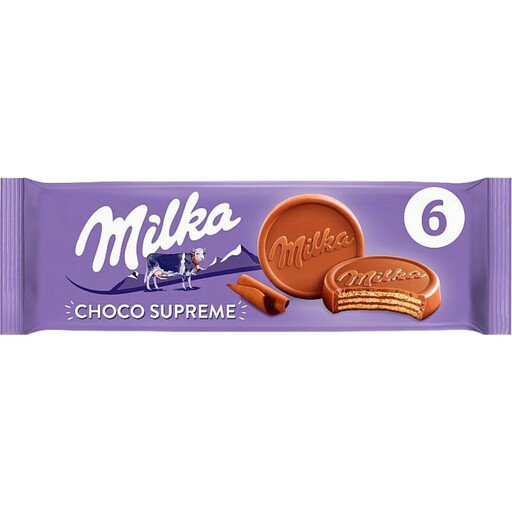 Image unavailable
For anyone who’d rather have a chocolate wafer than a plain biscuit with coffee or tea. Check the portion size and allergens on the current packaging.
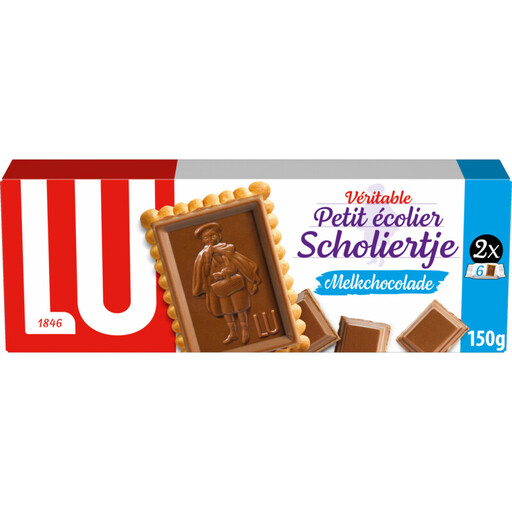 Image unavailable
For anyone looking for a milk chocolate biscuit rather than a wafer. Check the packaging to see how many biscuits make a suitable portion for you, and check the allergen information.
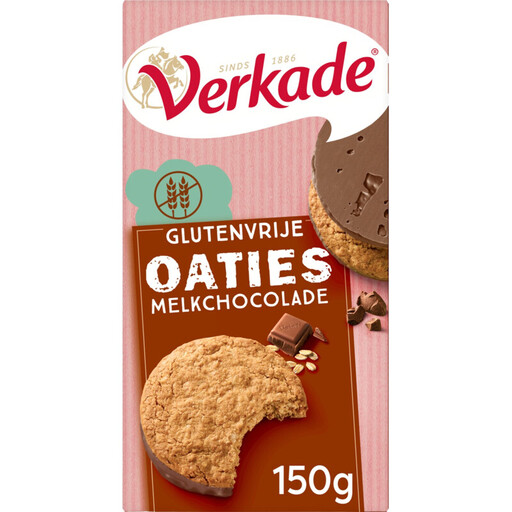 Image unavailable
For anyone wanting to compare Oaties with other chocolate biscuits. If you have requirements around ingredients or allergens, check the current label rather than relying on the product name.
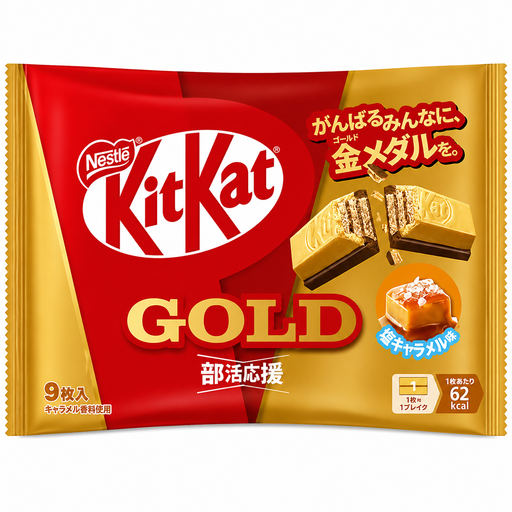 Image unavailable
For anyone looking for a salted caramel-flavoured wafer to share at breakfast. The pack contains nine pieces; check the label for the nutritional information and allergens for each product.
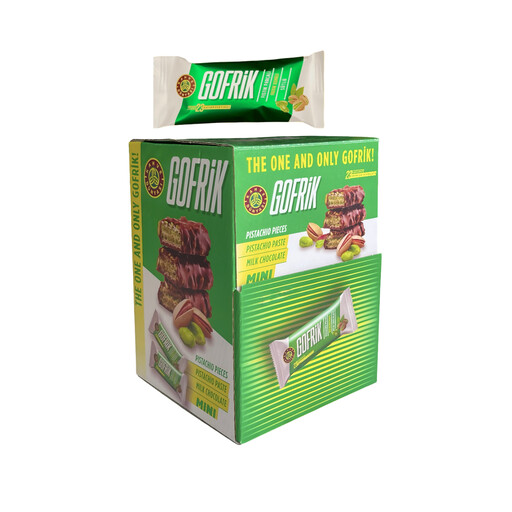 Image unavailable
For anyone looking for a chocolate option with pistachio and smaller portions to share out. The product name states ten portions of 12,5 g; before buying, check the current packaging for ingredients, allergens and nutritional information.
You can have a chocolate biscuit as part of breakfast or with coffee or tea, but the packaging alone doesn’t tell you what your whole breakfast consists of. Compare the nutritional information per 100 g and per portion, then decide how many biscuits you’d like to eat.
Check the current label for all allergens that are relevant to you. The products described include wheat, milk and soya, among other ingredients; some may contain traces of nuts. The Netherlands Food and Consumer Product Safety Authority (NVWA) notes that allergens must be listed on the labels of prepacked foods.
Use online product information to compare options, but also check the packaging of the product you receive. Ingredients and allergen information can change, so if there’s a difference, the current label is the one to rely on when making your choice.
Follow the storage advice on the packaging of your biscuits. For the varieties described, Albert Heijn and Jumbo advise storing them in a cool, dry place and keeping them in a sealed container after opening. Albert Heijn also says to store them away from light.