
Vandaag of morgen in huis

Kwaliteit gegarandeerd

Welkomstaanbiedingen ontgrendelen: GRATIS bezorging | Tot 80% korting | Gratis 30 dagen JoyPlus-proefperiode
Download de app
Fancy chocolate biscuits and wafers, but unsure whether to choose well-known brands, Japanese snacks or international varieties? Online shops often feature packaging that looks very similar. However, products can differ considerably in flavour, size, filling, allergen information and shelf life.
Most disappointing purchases usually come down to three simple pitfalls:
By checking the details beforehand, it is easier to find chocolate biscuits, chocolate wafers or filled biscuits that suit your occasion: at home, in a lunchbox, on the go or with coffee and tea.
Do not compare only the number of pieces; also check the net weight. Oreo Original 10x66g, for example, contains ten individual packs of 66 grams. This is convenient for storage or sharing out, but a multipack is not the same as one large packet of biscuits.
Smaller formats are useful for snacks on the go. Consider Meito Pukupukutai Chocolate Wafer at 16.5 grams per pack or Glico Pocky Cookie Bar Chocolate Flavor at 47 grams. Larger bags, such as Garden Wafers Chocolate Flavor 200g or Hello Panda Choco Filling XL 260g, make more sense for a family, party or well-stocked cupboard.
Also pay attention to how the packaging is divided:
Under European labelling rules, key allergens must be clearly stated. Always check the current packaging, especially if you need to avoid wheat, gluten, milk, soya, egg, peanuts or nuts.
Many Asian biscuits and Japanese snacks contain wheat flour, milk powder and soya lecithin. According to the product information, Glico Pocky chocolate contains wheat, milk and soya, and may contain traces of egg and nuts. Meiji Hello Panda Biscuits Choco Filling XL lists wheat, milk and soya and may contain traces of hazelnuts.
It is also worth checking the order of the ingredients. Ingredients are generally listed in descending order by weight. As a result, a product with a chocolate coating may consist mainly of biscuit, sugar and vegetable oil. That is not necessarily a problem, but it helps you put marketing language into context.
The nutritional table makes products easier to compare than the front of the packaging. Pay attention to energy, fat, saturates, carbohydrates, sugars and salt. A small portion may appear modest, while the values per 100 grams are similar to those of other sweet snacks.
Examples from the product information:
These figures say nothing about personal suitability or taste. They do, however, help you compare portions and purchases more consciously. With imported products, always check the Dutch product page and the physical packaging; recipes and labels may change.
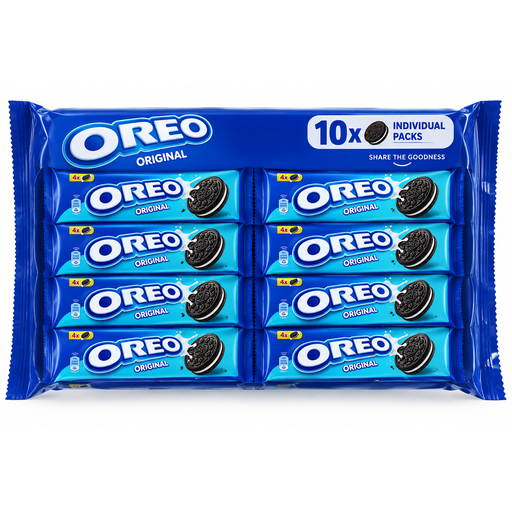
Why it suits this profile: The familiar combination of cocoa biscuits and vanilla filling is easy to recognise. The ten packs are convenient to keep at home or take with you individually.
The total number of portion packs and the weight are clearly stated. This means you can see exactly what you are buying in advance.
10 packs of 66 grams; product information lists wheat, soya and cereals containing gluten as allergens.

Why it suits this profile: For anyone who wants to combine a familiar wafer texture with a distinctive matcha flavour. The pack contains ten pieces, making it suitable for sharing or giving as a gift.
The number of bars is stated, so your purchase depends less on eye-catching flavour or colour messaging.
10 wafers; 566 kcal and 23.9 grams of sugars per 100 grams according to the product information.

Why it suits this profile: The thin biscuit sticks are ideal for lunchboxes, office breaks and snacks on the go. The portion is smaller than that of many sharing bags.
The 47-gram format means you do not have to open a large bag for a single snack break.
47 grams; crunchy biscuit sticks with a chocolate coating; product information lists wheat, milk and soya.
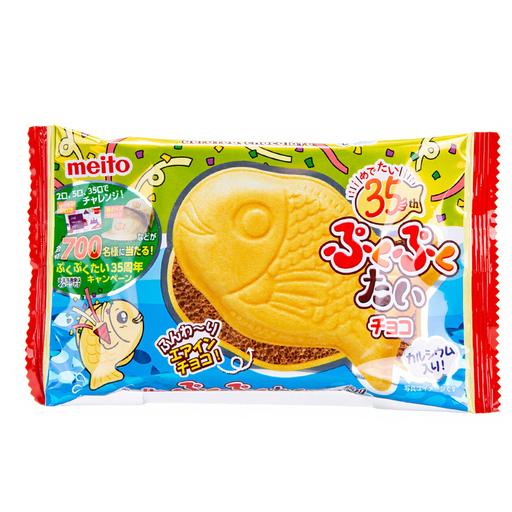
Why it suits this profile: This Japanese snack is a compact choice for anyone who wants to try different Asian flavours without buying large quantities.
The portion size is clear from the outset. However, do check the packaging for the latest allergen and shelf-life information.
16.5 grams per pack; chocolate wafer; store in a cool, dry place.
We have put together a complete, up-to-date list of products that fully meet these strict selection criteria and the applicable European safety regulations.
Store most chocolate biscuits and wafers in a cool, dry place away from direct sunlight. Heat can soften a chocolate coating. Moisture reduces their crisp texture, while strong odours from the cupboard can affect the flavour.
Once opened, a properly sealed pack helps keep them fresh. With wafers, take extra care to protect them from moisture, as several layers can lose their crunch more quickly. Check the best-before date on the packaging and do not use any product whose packaging is damaged.
Small, individually packaged products are practical. Pocky at 47 grams, Meito Pukupukutai at 16.5 grams and individual Oreo packs help prevent mess and take up little space. In warm weather, do not leave chocolate in a hot car.
A chocolate biscuit usually consists of a baked biscuit, sometimes with a filling or chocolate pieces. A chocolate wafer consists of thin, crisp layers with a cream filling or coating. Wafers often have a lighter texture, while filled biscuits can feel more substantial.
Look at the price per 100 grams rather than just the price per pack. Also check the number of portions, the net weight and whether the product contains individual packs. This allows you to compare a multipack of Oreo, a large bag of Hello Panda and small Japanese snacks on the same basis.
