
Fans of sweet snacks
You want something crunchy and chocolatey that’s ready to eat in the late morning. The chocolate products described in this comparison by Albert Heijn, Jumbo and Lidl are biscuits, not Melba toast or rusks.


Fancy something crunchy and chocolatey that’s ready to eat in the late morning? Choose a chocolate biscuit and compare the portion size, nutritional information and allergens on the label. If the texture of toast or rusks is what matters most, choose Melba toast or rusks and decide what to put on top; a chocolate biscuit isn’t an interchangeable alternative to toast. Don’t assume a product contains iodine just because the word ‘salt’ appears on the label: check the ingredients for the specific product.
You want something crunchy and chocolatey that’s ready to eat in the late morning. The chocolate products described in this comparison by Albert Heijn, Jumbo and Lidl are biscuits, not Melba toast or rusks.
You compare portion sizes and nutritional information, such as sugars, saturated fat and fibre, and check the ingredients and allergens. That way, you can assess the product you’re actually planning to eat, rather than relying on its flavour name alone.
You’re mainly looking for the texture of Melba toast or rusks. An uncoated base lets you choose whether to add chocolate or something else, but it does mean an extra step.
First, decide between a ready-to-eat chocolate snack and a base you can top yourself. Then compare products within your chosen category by portion size, nutritional information and ingredients; the word ‘dark’ on its own doesn’t tell you what the whole biscuit is made from.
Ideal for: a crunchy, ready-to-eat snack where chocolate takes centre stage.
Bear in mind: you’re choosing a biscuit, not toast; compare the whole portion and its ingredients, not just the chocolate coating.
Ideal for: anyone who specifically wants rusks and would like to choose their own topping.
Bear in mind: your topping is part of the finished snack, so consider both the base and what you add to it.
Ideal for: anyone looking for a thin, dry toast base to add their own topping to.
Bear in mind: the Melba toast options in the toast range described by Albert Heijn aren’t ready-made chocolate biscuits.
| What to consider | What to check when buying | Who it matters to |
|---|---|---|
| Nutritional information and portion size | Compare sugars, saturated fat and fibre per 100 g and per portion. Think about how much you want to eat. | If I have a sweet snack regularly, I want to know what my chosen portion contains and compare products on the same basis; around 33% of consumers prioritise nutritional profile and portion size. |
| Chocolate and convenience | Check whether it’s a biscuit, a rusk or Melba toast. If the type of chocolate matters to you, check how it’s described. | For a short break, I want something chocolatey that I don’t have to top first; for around 27% of consumers, a ready-to-eat chocolate snack is the top priority. |
| Ingredients and allergens | Check the current ingredients and allergen information on the packaging, even if you’ve bought the product before. | If I need to avoid certain ingredients, I want to be able to check whether this particular pack is suitable for me; checking ingredients is a top priority for around 20% of consumers. |
| Toast or rusk texture | Choose deliberately between biscuits, rusks and Melba toast; if you’re buying a base, check its ingredients and what you plan to add. | I’d rather add my own topping than eat a chocolate-coated biscuit, because the toast or rusk base is what matters to me; that’s the main preference for around 20% of consumers. |
When comparing specific products, the same flavour name can conceal different labels. Albert Heijn lists 35 g of sugars and 8.8 g of saturated fat per 100 g for AH Sugared Biscuits Dark Chocolate; Jumbo lists 37 g and 16 g per 100 g respectively for Jumbo Dark Chocolate Biscuits. The stated portions also differ: 13 g for the AH product mentioned and 14 g for the Jumbo product mentioned. Compare these values only for these specific products, and check the current label when you buy.
A chocolate biscuit doesn’t give you the same base as Melba toast or rusks. Albert Heijn and Jumbo describe the chocolate products mentioned here as biscuits, while Melba toast and rusks are separate product types.
Before comparing flavours, decide whether you want a ready-made biscuit or a base you can top yourself.
A dark chocolate coating doesn’t tell you the nutritional value of the whole snack. The dark chocolate biscuits mentioned by Albert Heijn and Jumbo differ in their sugar and saturated fat content per 100 g, among other things.
Compare the same columns in the nutritional information and consider how much you want to eat.
The name doesn’t tell you which allergens a specific product contains or what precautionary allergen statements appear on the packaging. Albert Heijn also warns that product information may change.
Always check the current pack. For Lidl food products, Lidl advises checking the packaging for ingredients, allergens and nutritional values; if needed, you can ask for more information using the product or barcode details.
The word ‘salt’ in an ingredients list doesn’t tell you whether iodised baking salt was used in that product. According to the Voedingscentrum, the Dutch nutrition centre, using baking salt isn’t even compulsory in bread.
If this distinction matters to you, check the ingredients for the specific product or ask the manufacturer about it.
Worth considering if you’re looking for rusks as a base to top yourself.
A shop where you can compare biscuits, Melba toast and rusks side by side.
Worth considering when comparing ready-made chocolate biscuits.
Worth considering if you want to look at chocolate biscuits with milk or dark chocolate.
These products suit anyone looking for a ready-to-eat, crunchy chocolate snack: the selection includes chocolate biscuits and biscuit sticks, as well as a chocolate wafer. If you’re specifically after the texture of Melba toast or rusks, don’t treat these products as substitutes for that base.
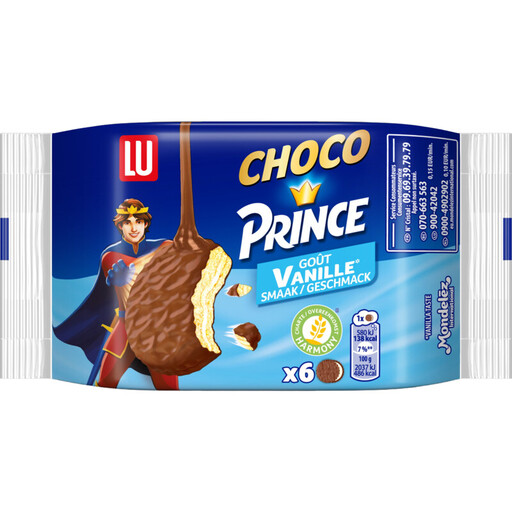 No image available
For anyone looking for a ready-to-eat biscuit with chocolate and vanilla rather than toast. The pack is 171 g; check the nutritional information for your snack portion and, if you have allergies, check the current ingredients on the pack.
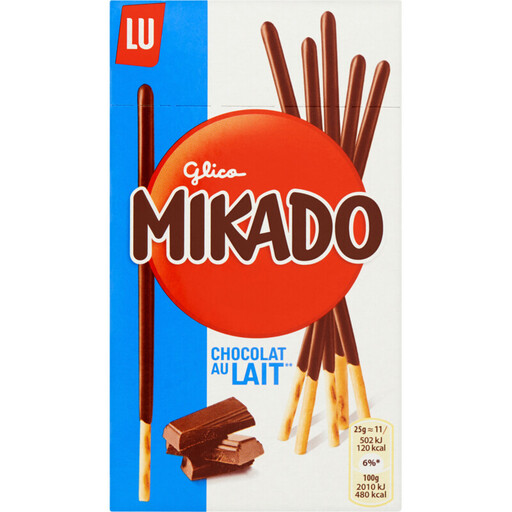 No image available
An option if you fancy milk chocolate biscuit sticks without having to add a topping to toast yourself. The pack is 75 g. These are biscuit sticks, not Melba toast; check the nutritional information and allergen details on the packaging.
 No image available
For anyone looking for a small pack of something chocolatey to enjoy as a ready-to-eat snack. This is the 47 g variety; don’t choose it if what you really want is a toast base to top yourself. Check the ingredients and allergens on the pack.
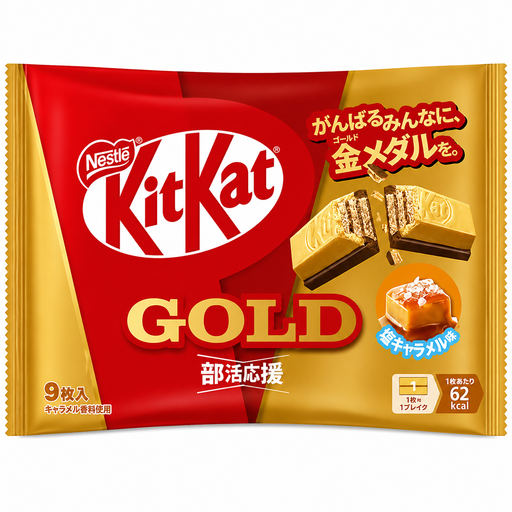 No image available
Another option if you’re after a ready-to-eat wafer with chocolate and salted caramel flavour. This variety contains 9 pieces and isn’t toast or a standard chocolate biscuit. To compare it with biscuits, use the nutritional information on the packaging.
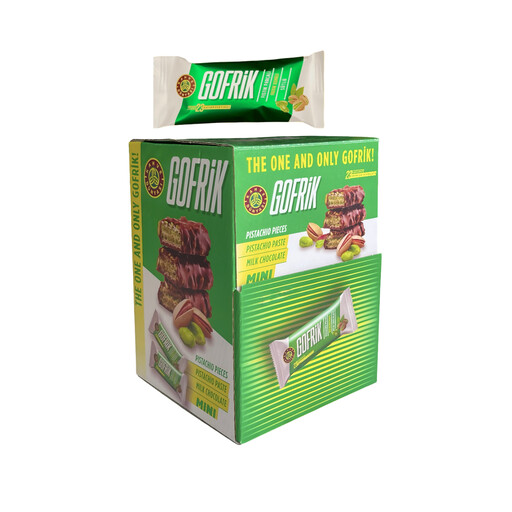 No image available
For anyone looking for a ready-to-eat snack with pistachio and milk chocolate, rather than a plain toast base. The product name lists 10 portions of 12,5 g. Before choosing, check the current ingredients, allergens and nutritional information on the packaging, especially if you need to avoid certain ingredients.
No, these names don’t automatically refer to the same product. Albert Heijn and Jumbo describe the chocolate products mentioned here as biscuits; Albert Heijn includes Melba toast in its toast range. First choose the texture you’re looking for, then compare the different flavours.
Compare the nutritional information per 100 g and per portion, paying attention to sugars, saturated fat, fibre and salt. Check the ingredients and allergens too: the Voedingscentrum, the Dutch nutrition centre, recommends looking at the back of the pack rather than relying on the front alone.
Follow the storage instructions on the packaging for the specific product. For its dark chocolate biscuits mentioned here, Albert Heijn advises storing them in a sealed tin after opening; Jumbo advises sealing the packaging well and eating the remaining biscuits within a few days.
No, you can’t tell from the word ‘salt’ alone whether iodised baking salt has been used. According to the Voedingscentrum, using baking salt isn’t even compulsory in bread. So, if this matters to your choice, check the ingredients for the specific product.