
If you want to serve a biscuit at breakfast
A chocolate-coated biscuit can sit alongside coffee, tea and the rest of your Sunday breakfast. Check the quantity per biscuit or pack if you want to decide in advance how many to put on the table.


Choose a chocolate-coated biscuit as a small treat alongside Sunday breakfast, rather than as a replacement for the rest of the meal. A plain biscuit may suit you if you want a clearly defined portion. Compare the ingredients and nutritional information on cereal biscuits too, and always check the current packaging if you have dietary requirements or allergies.
A chocolate-coated biscuit can sit alongside coffee, tea and the rest of your Sunday breakfast. Check the quantity per biscuit or pack if you want to decide in advance how many to put on the table.
The ingredients and nutritional information listed for cereal biscuits can vary. Compare fibre per 100 g alongside sugars, salt and portion size, rather than relying on the name of the biscuit alone.
A label such as ‘vegan’ doesn’t tell you which other allergens may be present. For the specific product, check the ingredients and both the ‘contains’ and ‘may contain’ statements on the current packaging.
First decide what role the biscuit will play at the table. Then compare portion size, biscuit type and nutritional information; allergens may further narrow down your choice.
| What to consider | What to check when buying | Who is this most important for? |
|---|---|---|
| A clearly defined treat | Check the portion size and the sugars and saturated fat per portion. | I want to serve a biscuit at breakfast, but not have it replace the whole meal. Around 36% of consumers put its role as a treat first. |
| Grains and fibre | Compare the stated amount of oats or wholemeal flour, as well as fibre, sugars and salt per 100 g. | If I choose a cereal biscuit, I want to know what it actually contains rather than relying on its name. For around 29% of consumers, this comparison is the main consideration. |
| Dietary requirements and allergens | Read the ingredients and the current ‘contains’ and ‘may contain’ statements; consider a vegan label separately. | I need to be able to check whether a biscuit suits the dietary requirements or allergies of the person eating it. That is the first requirement for around 21% of consumers. |
| Packaging and sharing | Check the net weight, the number of biscuits and whether they are individually wrapped or packed in pairs. | When I’m setting the table for several people, I want to be able to share the biscuits easily and reseal an opened pack. Around 14% of consumers give this their highest priority. |
A biscuit can be an addition, but it doesn’t take the place of the other parts of breakfast. For example, the Voedingscentrum lists wholemeal bread or yoghurt with fruit and porridge oats as breakfast options.
Decide what else you’ll serve, then decide whether you’d like to add a biscuit.
The name doesn’t tell you how much oats, wholemeal flour or fibre the product contains. Sugars, salt and saturated fat also matter when you compare cereal biscuits.
Compare the ingredients and nutritional information per 100 g, then check what’s in the portion you’ve chosen.
A vegan label doesn’t automatically tell you whether a biscuit is suitable for someone with a specific allergy. Wheat, milk and soya are among the allergens listed for the chocolate-coated biscuits reviewed, depending on the product.
Check the ingredients and any allergen warnings on each pack individually, in case allergens may be present.
A pack of individually wrapped biscuits and one containing twin portions don’t offer the same way to serve them, even if their net weights are similar.
Count the biscuits or portions before choosing, and check how you can reseal the pack once it’s open.
For anyone specifically looking for speculoos with a chocolate coating. Albert Heijn describes one Lotus Biscoff variety as speculoos biscuits coated in Belgian chocolate.
Jumbo lists, among other products, a milk chocolate biscuit, a digestive with milk chocolate and a cereal biscuit with milk chocolate.
The LU varieties relevant here include a cereal biscuit with milk chocolate and a filled biscuit with milk chocolate.
Albert Heijn provides product information for items including AH Biscuits Milk Chocolate and the Lotus Biscoff speculoos biscuit mentioned above.
This selection includes chocolate-coated biscuits and biscuit sticks, as well as a chocolate wafer as a related treat. For each product, check whether the biscuit shape, pack or stated quantity suits your Sunday breakfast; a wafer isn’t a biscuit.
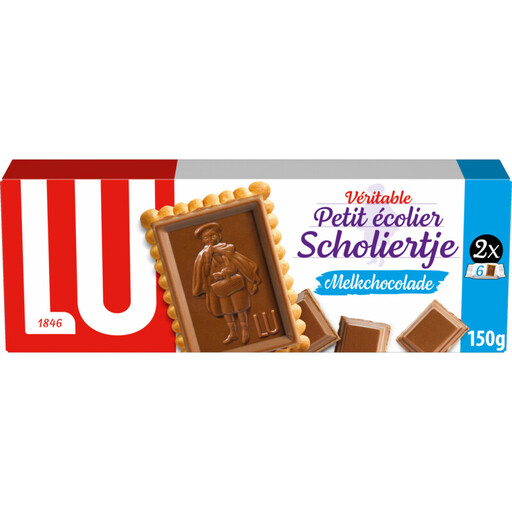 Image unavailable
A biscuit to compare if you’d like to serve a chocolate treat with coffee or tea. The stated pack contains 150 g; use the current packaging to decide on a portion.
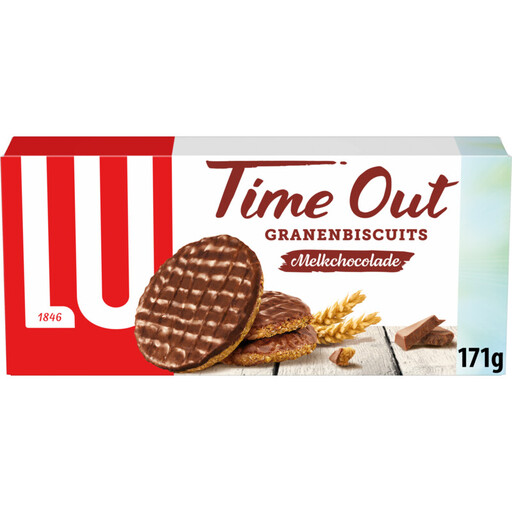 Image unavailable
A chocolate cereal biscuit to compare if you’re interested in grain ingredients as well as flavour. The stated pack contains 171 g; for a nutritional comparison, check the values per 100 g and per portion.
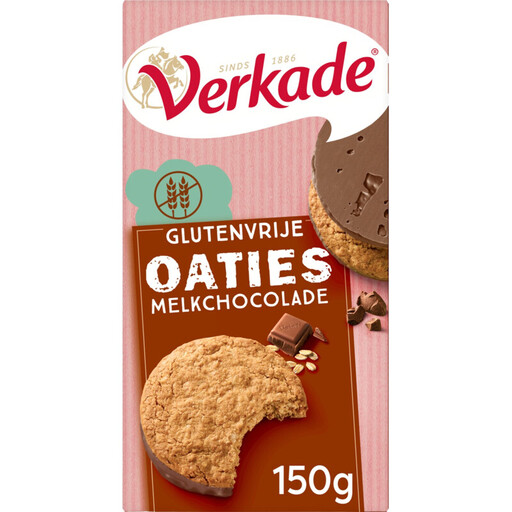 Image unavailable
An oat biscuit with milk chocolate to consider if you’re looking for something different from a plain biscuit. The stated pack contains 150 g; if you have dietary requirements, check the current ingredients and allergen information.
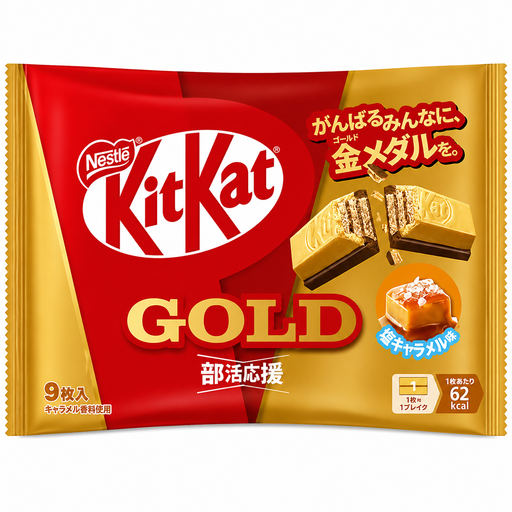 Image unavailable
A chocolate wafer with salted caramel flavour for anyone looking for a different treat alongside biscuits. The stated pack contains 9 pieces; don’t assume a wafer is equivalent to a biscuit of the same size.
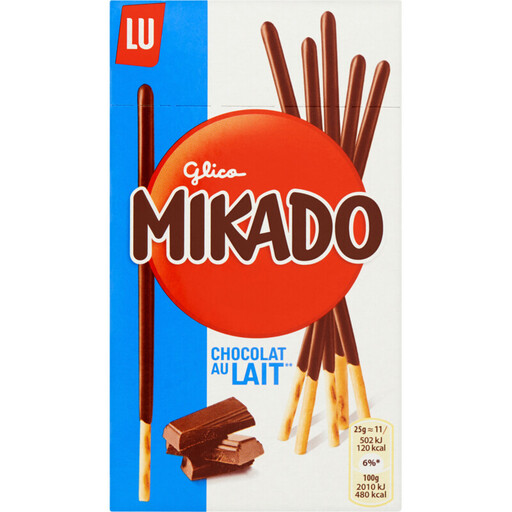 Image unavailable
Milk chocolate biscuit sticks to consider if you’d like to serve individual sticks rather than larger biscuits. The stated pack contains 75 g; bear the amount you’re serving in mind when sharing them.
No. It’s better to enjoy the biscuit as a treat alongside the rest of breakfast. The Voedingscentrum lists options including wholemeal bread or yoghurt with fruit and porridge oats; a chocolate biscuit doesn’t replace these parts of the meal.
The name alone isn’t enough to draw that conclusion. Compare the ingredients and nutritional information per 100 g and per portion, including fibre, sugars, salt and saturated fat. This helps you see which differences are actually stated for the biscuits you’re considering.
Check the current packaging for the specific biscuit. An online product page can help you prepare, but ingredients and allergen information can change, so also read the ‘contains’ and ‘may contain’ statements on the pack you’re using.
It’s a warning that an allergen may be present, not the same as listing it as an added ingredient. If that allergen matters to someone at the table, take the current warning into account when choosing a product.