Which pack works best for you?
The main difference between pack types is whether you can give someone a portion straight away or decide how much to serve at home. If there’s an allergy or a school snack policy to consider, checking the label and school rules comes before convenience.
Parents looking for a ready-to-pack school snack
If you don’t want to portion or repackage biscuits each time, individually wrapped portions are worth considering. For example, Albert Heijn describes Lotus Biscoff Speculoos Belgian chocolate as six snack packs, each containing three biscuits.
Parents checking allergens and school rules
Start with the label on the pack you’re buying, and check what’s allowed in the classroom or after-school club. The Lotus Biscoff and Jumbo varieties reviewed list cereals containing gluten; these examples also contain milk and soya. Jumbo Chocolade Biscuits Puur also carries a possible nuts warning.
Families who want to share at home
A sharing pack may be more suitable than individual school portions for a snack with several family members. Jumbo lists a 300 g pack of digestives, while ALDI describes a pack of Biscotto chocolate biscuits containing 20 biscuits, wrapped in pairs. Decide how many you want to serve at a time.
What should you consider when choosing?
First decide whether the biscuits are going to school or will be eaten at home. Then check the rules and the label. Only after that is it worth comparing pack types and portion sizes.
| What to consider |
What to check |
Who should consider this? |
| Allergens and school rules |
Read the current label, including any warnings about possible traces, and check what the school, class or after-school club allows. |
If a child or group needs to avoid certain allergens, I don’t want to rely on the front of the pack alone. This is the top priority for around 31% of consumers. |
| Portion size and transport |
Check how many biscuits are in each individual pack and whether that format suits a school bag. |
If I want to pack a single portion without dividing the biscuits myself, the packaging influences my choice. Around 25% of consumers prioritise this. |
| Occasion and quantity |
Compare the nutritional information per portion and decide whether the biscuits are an occasional treat. |
I want to be able to give a biscuit as a treat without making it a regular snack. This comes first for around 25% of consumers. |
| Sharing at home and availability |
Compare pack sizes and the number of portions, and check where your chosen variety is available. |
If several people at home are sharing a pack, I want to portion it myself and seal the pack properly after opening. This is the main consideration for around 19% of consumers. |
A larger pack doesn’t, by itself, tell you what an appropriate amount is for a school day. The Netherlands Nutrition Centre recommends fruit and vegetables as good snacks for children; if you choose biscuits, keep the portion small. When comparing different packs, use the same basis for the nutritional information, such as per 100 g and per portion, if both are provided.
Common mistakes
-
Assuming individually wrapped means suitable for the whole class
Individual wrapping doesn’t change the ingredients. The Lotus Biscoff variety described by Albert Heijn contains wheat, milk and soya; school and class rules can also vary.
Read the label on the current pack and check which rules apply to the group before buying or packing the biscuits.
-
Treating a chocolate biscuit as an everyday school snack
The Netherlands Nutrition Centre recommends fruit and vegetables as good snacks for children, and advises serving a small portion if you give them biscuits or sweets.
Decide in advance whether the biscuit is an occasional treat, and choose the portion size accordingly.
-
Choosing a large pack when you only need one portion to take with you
A 300 g pack for sharing at home calls for a different approach from a pre-portioned school snack. Once you’ve opened a pack, you’ll need to take out the amount you want and seal the rest properly.
Compare the pack size with the occasions when you actually want to serve the biscuits; don’t choose based on the number of biscuits alone.
-
Relying on outdated allergen information
Albert Heijn says that ingredients, nutritional values and allergen information can change. A pack you bought previously or a product photo may not match the packaging you have now.
Whenever an allergy is relevant, check the current label on the variety you’ve chosen.
Brands to consider
These examples show a range of pack types. The features listed apply to the products described and not necessarily to every biscuit made by the same brand.
Lotus Biscoff
Albert Heijn describes a variety combining caramelised speculoos and Belgian chocolate, packed as six snack packs containing three biscuits each.
- The individual packs make it easy to take a pre-selected portion with you.
- The variety described contains wheat, milk and soya. Check the label even if another statement on the pack catches your eye.
AH
Albert Heijn’s range includes both chocolate biscuits and digestive varieties.
- You can compare different pack types within the category.
- Albert Heijn says product information can change, so check the current pack for nutritional and allergen information too.
Jumbo
The products described are Chocolade Biscuits Puur, with nine biscuits in a 125 g pack, and Digestive Biscuit Pure Chocolade, in a 300 g pack.
- The difference in pack size helps you choose between serving a small portion yourself and sharing at home.
- Both products described list gluten, milk and soya. Check the label on each variety for any additional allergen information.
Sondey
Lidl describes Chocobiscuits as butter biscuits with a chocolate coating, available in milk and dark varieties in 125 g packs.
- The two chocolate varieties described give you a choice of flavour.
- Lidl lists this item as an in-store product. Check the packaging of the variety you want to buy for ingredients and allergen information.
Biscotto
ALDI describes a pack of 20 chocolate biscuits weighing 250 g in total, wrapped in pairs.
- The twin packs make it easy to take a small portion without dividing the biscuits yourself.
- Check the current packaging in store for allergen information, and make sure your chosen variety is available.
Products for individual portions or sharing
These Joybuy products are options to consider when choosing a chocolate treat for a snack. The selection also includes a pistachio variety and a chocolate wafer, which aren’t the same as a classic chocolate biscuit. If you’re thinking of packing one for the start of the school year, check the packaging and current label for each product.
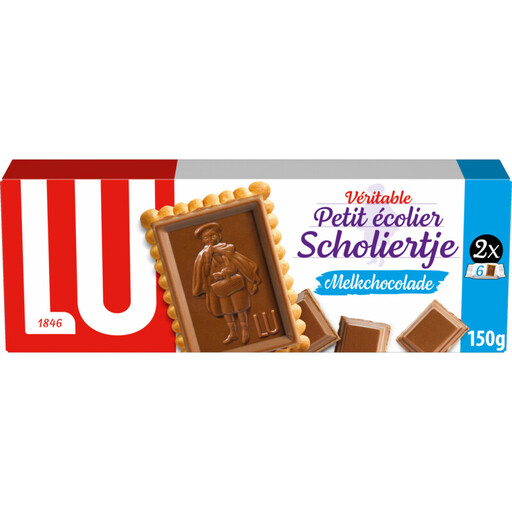 Image unavailable
Lu Scholiertje Milk Chocolate Biscuits, 150 g
A chocolate biscuit to consider if you want to choose your own portion for a snack.
Before packing it, check the label for wheat, milk and soya, any possible nuts warning, and relevant school rules.
View at Joybuy
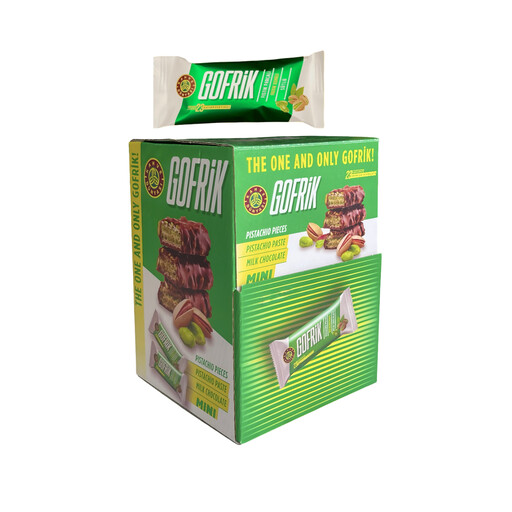 Image unavailable
Kahve Dunyasi Gofrik Pistachio Paste Milk Chocolate, 10 × 12,5 g
The portions listed in the product name may be handy if you want to decide in advance how many to take or share.
This variety contains pistachio, so it isn’t suitable if the group needs to avoid that ingredient. Before buying, check the full allergen information on the label and the school rules; don’t assume other allergens are or aren’t present based on the product name.
View at Joybuy
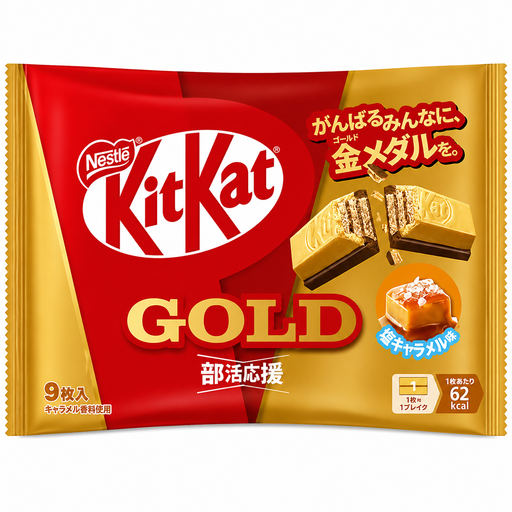 Image unavailable
KitKat Gold Wafer Chocolate Salted Caramel Flavor, 9 pieces
This is a chocolate wafer, not a classic individual biscuit. Choose it only if that type of product suits the snack occasion.
The name lists nine pieces, but doesn’t say whether each one is individually wrapped. If you’re looking for separate portions for a school bag, check the pack, and read the current label for wheat, milk, soya and any warnings about possible traces.
View at Joybuy
Frequently asked questions
Are chocolate biscuits suitable as an everyday snack for children?
They’re not the best choice as a regular snack. The Netherlands Nutrition Centre recommends fruit and vegetables as good options, and advises serving a small portion if you give your child a biscuit. So decide whether it’s intended as an occasional treat.
Should I still read the label on individually wrapped biscuits?
Yes. Individual wrapping tells you nothing about the allergens in the biscuit. The Netherlands Food and Consumer Product Safety Authority explains that allergens must be listed on food labels. Check the current pack, as ingredients can change.
Do the chocolate biscuits discussed contain gluten?
The specific Lotus Biscoff and Jumbo biscuit examples described list wheat or cereals containing gluten. These examples also contain milk and soya; Jumbo Chocolade Biscuits Puur also carries a possible nuts warning. Don’t assume the same applies to another variety or product, and always read its own label.
How should I store an opened pack of chocolate biscuits?
Follow the instructions on the packaging and seal the pack properly after opening. Jumbo advises storing the biscuit and digestive varieties described in a cool, dry place; check the instructions on the product you actually buy.


