For your afternoon coffee, start by choosing a biscuit with a texture the person eating it will enjoy. A chocolate coating doesn’t automatically make a crunchy biscuit easier to chew. Then check the portion size, nutritional information and the current ingredients and allergen details on the packaging. If someone has difficulty chewing or swallowing, their needs should be assessed individually rather than relying on a product description alone.
Who might this choice matter to?
Older people who may need to consider chewing comfort
Choose a texture that suits the person eating the biscuit. If they find crunchy foods difficult, it’s more useful to ask what they find comfortable to chew than to rely on the words ‘with chocolate’ on the packaging.
Guests who are mindful of portion sizes
An individually wrapped biscuit bar and a plate of loose biscuits make it possible to serve different portion sizes. Compare the nutritional information per 100 g and per portion if sugars and saturated fat are important to your choice.
People checking ingredients or allergens
If a guest has a relevant allergy, read the ingredients list and allergen information for the exact variant you’re serving. Don’t rely solely on a product photo or a pack you bought previously.
What should you look for when choosing?
First decide which texture will be enjoyable and whether you’re looking for a coated biscuit or chocolate in the biscuit. Then use the label to check the portion sizes, nutritional information and ingredients for the variant you’ve chosen.
| What to consider |
What to check |
Who it matters to |
| Texture and chewing comfort |
Check whether the biscuit is described as crunchy, and ask whether that texture is comfortable to eat. |
If crunchy biscuits are difficult to chew, I wouldn’t rely on the chocolate coating. For around 30% of consumers, ease of eating is the top priority when making this choice. |
| Nutritional information |
Compare sugars and saturated fat per 100 g and per portion on the current label. |
I want to know what the biscuit adds to everything else eaten during a coffee break; around 30% of consumers prioritise this nutritional consideration. |
| Ingredients and allergens |
Check the ingredients list, highlighted allergens and any cross-contamination warning on the packaging. |
If a guest has a relevant allergy, I need to be able to check the variant I’ve chosen before serving it. For around 20% of consumers, this is their first concern. |
| Portion size and type of chocolate |
Check the number of biscuits, the portion size and whether the chocolate is a coating, pieces or a flavour combination. |
When serving coffee to several guests, I want to choose how many biscuits to put out and which chocolate flavours to offer; around 20% of consumers prioritise serving and sharing. |
Common mistakes
-
Confusing chocolate pieces with a coating
A cookie with chocolate pieces is different from a biscuit that’s fully or partly coated. Albert Heijn describes AH Choc chip as a biscuit with chocolate pieces, while LU Time Out is a biscuit bar partly coated in milk chocolate.
Before choosing a variety for your coffee table, look for terms such as ‘coated’, ‘pieces’ or ‘filling’ in the product description.
-
Choosing based on chocolate flavour alone
A layer of chocolate tells you little about the texture of the biscuit underneath. A particularly crunchy biscuit may be uncomfortable for someone who finds chewing difficult.
Ask what texture the person finds comfortable. If they have ongoing difficulties chewing or swallowing, don’t choose solely on the basis of a product description.
-
Treating the online description as the product label
Ingredients and nutritional information can change when a recipe is updated. Albert Heijn advises customers to check the packaging alongside its product information.
Compare the types of biscuits online, but read the label on the variant you’ve actually bought before serving it.
-
Skipping an allergen check
If someone has a known allergy, another variant from the same brand may have a different ingredients list that’s relevant to them. The Netherlands Food and Consumer Product Safety Authority states that allergens must be clearly listed on the labels of prepacked foods.
Check the ingredients list and any cross-contamination warning on every pack you intend to serve.
Brands and ranges to explore
These examples show different types of biscuits and ways to serve them. A brand name alone won’t tell you whether a particular variety is chocolate-coated or comfortable for your guest to eat.
Lotus Biscoff
A go-to option for anyone looking for a distinctly crunchy biscuit to enjoy with coffee.
- Lotus Bakeries describes its Biscoff biscuit as crunchy and a good match for coffee.
- Consider that crunchy texture separately if chewing comfort is important. If you want a chocolate coating, choose a variety that explicitly says it’s coated.
Albert Heijn
Product pages for both a partly coated biscuit bar and cookies with chocolate pieces.
- The LU Time Out bar shown is individually wrapped; AH Choc chip has chocolate in the biscuit.
- These two types aren’t interchangeable. Check the current packaging for ingredients and nutritional information.
Jumbo
An example of a cookie with chocolate in it, rather than around it.
- Jumbo describes its Chocolate Cookies as crunchy biscuits with 40% dark chocolate pieces.
- Chocolate pieces aren’t the same as a coating. Choose a level of crunch that suits the person eating the biscuit.
Sondey (Lidl)
Lidl’s biscuit range includes Choco biscuits melk, 125 g.
- The product name can help you find a biscuit with milk chocolate.
- Check the packaging for this specific variety to find its ingredients, allergens and nutritional information.
Biscotto (ALDI)
A range of butter biscuits for a coffee table with different chocolate preferences.
- ALDI describes a pack of 20 biscuits with dark, white and milk chocolate, wrapped in pairs.
- Check the ingredients and allergens on the pack you choose; a variety pack doesn’t tell you whether each biscuit will be comfortable to chew.
Biscuits and wafers at Joybuy
This selection includes chocolate biscuits, biscuits and crunchy wafers to enjoy with your afternoon coffee. A wafer isn’t the same as a regular cookie, so first decide which type and texture you’d like to serve.
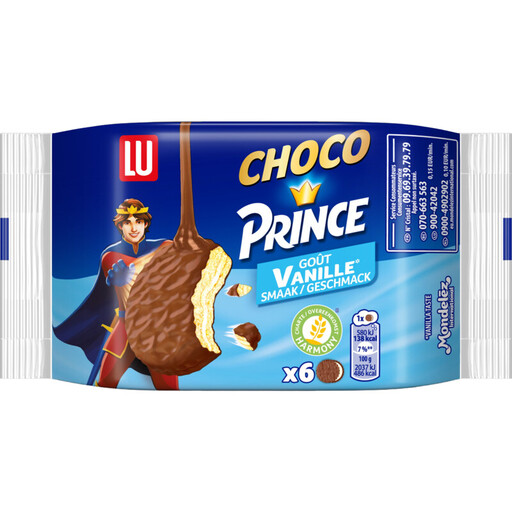 Image unavailable
LU Choco Cookies chocolate and vanilla, 171 g
For anyone who’d like chocolate and vanilla in one biscuit with their coffee. Check the texture and, if you have a relevant allergy, read the current packaging.
View at Joybuy
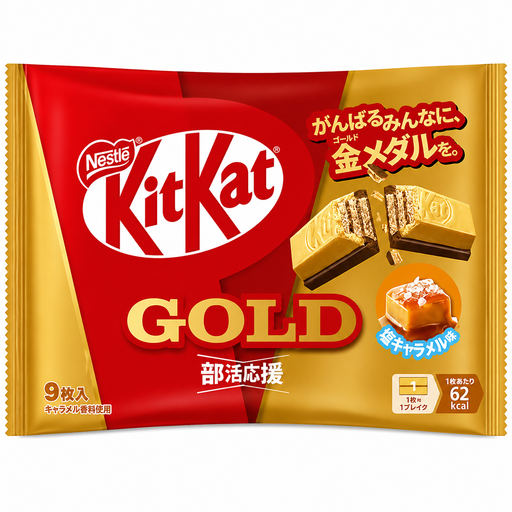 Image unavailable
KitKat Gold wafer with chocolate and salted caramel, 9 pieces
A wafer for anyone who fancies salted caramel with their coffee, rather than a regular cookie. Check that the crunchy texture is comfortable to eat, and compare the nutritional information on the packaging if it matters to your choice.
View at Joybuy
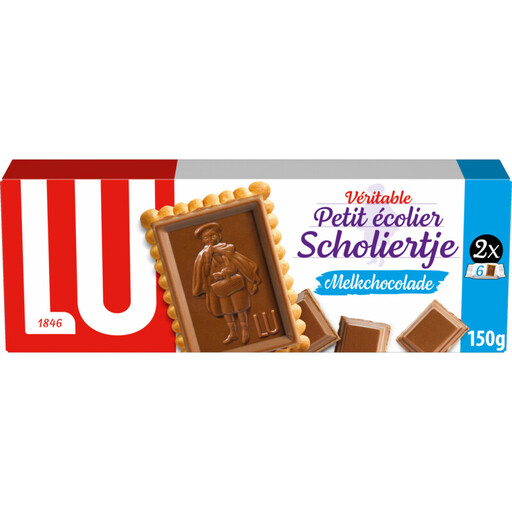 Image unavailable
LU Scholiertje milk chocolate biscuits, 150 g
A milk chocolate biscuit for anyone looking for that style of chocolate with their afternoon coffee. Choose a texture that suits the person eating it, and check the current packaging for nutritional information and allergens.
View at Joybuy
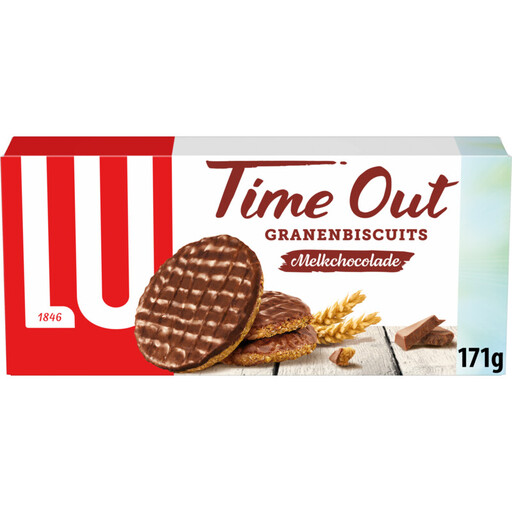 Image unavailable
LU Time Out Cereal Biscuit Chocolate, 171 g
A cereal biscuit with chocolate for a coffee break. Check that the crunchy texture is comfortable to eat, and read the current packaging for ingredients and allergens.
View at Joybuy
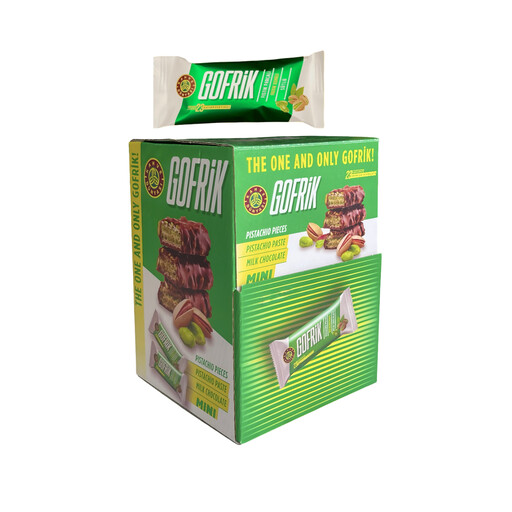 Image unavailable
Kahve Dunyasi Gofrik Pistachio Paste Milk Chocolate, 10 × 12,5 g
A wafer-style chocolate treat with pistachio for anyone who enjoys that flavour with coffee, rather than a regular cookie. Check the crunchy texture and read the ingredients and allergen information on the packaging before serving.
View at Joybuy
Frequently asked questions
Is a chocolate-coated biscuit automatically suitable for an older guest?
No. Consider the texture for the person who’ll be eating it. A coating doesn’t tell you how easy the biscuit is to chew. If they have ongoing difficulties chewing or swallowing, individual dietary or care advice is more important than the product description.
How do I compare the portion sizes of two different chocolate biscuits?
Look at the nutritional information per 100 g as well as the amount eaten during one coffee break. This lets you compare products on the same basis, without treating a small cookie and a larger biscuit bar as equivalent portions.
Where can I find allergen information for packaged biscuits?
Read the label on the pack you’ve bought. The Netherlands Food and Consumer Product Safety Authority states that allergens must be clearly listed in the ingredients list for prepacked foods. Also check for any cross-contamination warning.
Can a chocolate biscuit replace another snack if someone has a small appetite?
Don’t make that choice based on the biscuit alone. The Netherlands Nutrition Centre highlights that people who are ill, have health conditions or have a reduced appetite may need additional dietary advice. What’s suitable depends on their overall diet and personal circumstances.


