
Solo breakfast eater who wants to avoid leftovers
You’re looking for something sweet for one occasion. A small pack, a stated number of biscuits or clearly divided packaging can help you decide how much to open.


If you want one chocolate biscuit with breakfast without lots left over, start by checking the packaging: small packs or clearly divided portions are more practical for individual occasions than a pack you take biscuits from as you go. A stated serving size doesn’t necessarily mean each biscuit is individually wrapped. Then compare the nutritional information and allergens on the current label. The Netherlands Nutrition Centre considers a chocolate biscuit a sweet addition rather than the basis of a breakfast.
You’re looking for something sweet for one occasion. A small pack, a stated number of biscuits or clearly divided packaging can help you decide how much to open.
You want to compare the sugars, fibre, ingredients and allergens in different chocolate biscuits before buying, rather than relying on the product name alone.
You’d like to enjoy a chocolate biscuit as a sweet addition alongside a breakfast based on other foods. The Netherlands Nutrition Centre’s general breakfast advice includes wholegrain products, dairy or fortified alternatives, and fruit.
Start by deciding how much you want to open at once. Then look at the type of biscuit or wafer, and compare the nutritional information per 100 g and per serving.
| What to consider | What to check before buying | Who should pay particular attention? |
|---|---|---|
| Portions and leftovers | Check whether the pack contains small packets or individually wrapped bars, or whether it only states a serving size. | I don’t want to keep opening a large pack for breakfast on my own. That’s why around 29% of consumers prioritise small portions and minimal leftovers. |
| Flavour and texture | Check whether the product has a chocolate coating, a filling or both; a biscuit and a filled wafer aren’t the same thing. | For my sweet breakfast treat, it makes a difference whether I want a crunchy biscuit or a filled wafer. Around 21% of consumers prioritise flavour and texture. |
| Nutritional information | Compare sugars, saturated fat and fibre per 100 g, then check the values for the portion you plan to have. | I want to know how this sweet addition fits in with the rest of my breakfast. For around 36% of consumers, nutritional values and the product’s place in breakfast are the first things they consider. |
| Ingredients and allergens | Read the current ingredients list, highlighted allergens and any warnings about traces on the packaging. | If I need to avoid an ingredient, I must be able to check the label before choosing. Around 14% of consumers give this check top priority. |
The weight of a serving tells you how much one serving weighs, not how the biscuits are divided inside the pack. Jumbo lists nine 14 g servings for its Dark Chocolate Biscuits; that doesn’t mean they’re individually wrapped.
Look for an explicit mention of packets or individually wrapped biscuits, and check the packaging if you want to take a sealed portion with you.
The name of a grain or oat product doesn’t tell you how much sugar or fibre is in your portion. Lotus Biscoff 6 Grains, for example, is a specific speculoos variety, not a nutritional assessment of all chocolate biscuits.
Compare the nutritional information for the varieties you’re considering on the same basis: first per 100 g, then per serving.
A name that includes chocolate or biscuit doesn’t give you a full list of ingredients. The Netherlands Food and Consumer Product Safety Authority says that labelling is mandatory for 14 allergens.
If you have a relevant allergy, check the current packaging before buying and eating the product, including any warnings about traces.
Albert Heijn’s product page for Chocolate Biscuit lists it as discontinued. Lidl describes Sondey Milk Chocolate Biscuits as an in-store product. So finding a product page doesn’t, by itself, tell you where you can buy the product.
Check the current range at the shop where you plan to order or visit.
These product ranges come in different formats, from a biscuit bar to biscuits in small packets. Choose based on the features of the specific variety, not just the brand.
Verkade’s range includes Choco Wolken, listed as 3 × 35 g, and small Duo’tjes packs.
Lotus Bakeries lists Biscoff with dark chocolate as 7 × 3 biscuits, and Biscoff 6 Grains as 10 × 2 biscuits.
Jumbo Dark Chocolate Biscuits lists nine 14 g servings for anyone who wants to portion them out at home.
Lidl lists Sondey Milk Chocolate Biscuits as a 125 g product available in store only.
ALDI describes Biscotto Mini Biscuits as filled biscuits with milk and white chocolate, packed in six small packets.
Albert Heijn’s page for its 125 g Chocolate Biscuit lists the product as discontinued.
This selection includes chocolate biscuits and chocolate wafers for a sweet breakfast treat when you’re eating on your own. When choosing, check the stated weight or number of pieces. If you’re specifically looking for a sealed portion, check the packaging format separately.
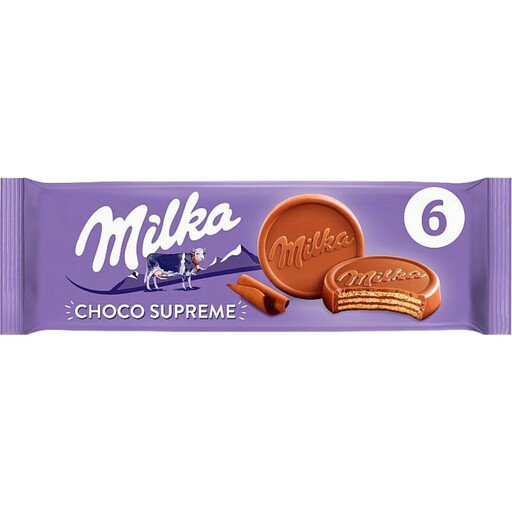 Image unavailable
A chocolate wafer for when you’d prefer a wafer to a biscuit with breakfast. The product name states 180 g; check the pack contents if you want individual portions.
According to the product information, this variety contains milk, soya and wheat, and may contain egg or nuts. Check the current label if you have an allergy.
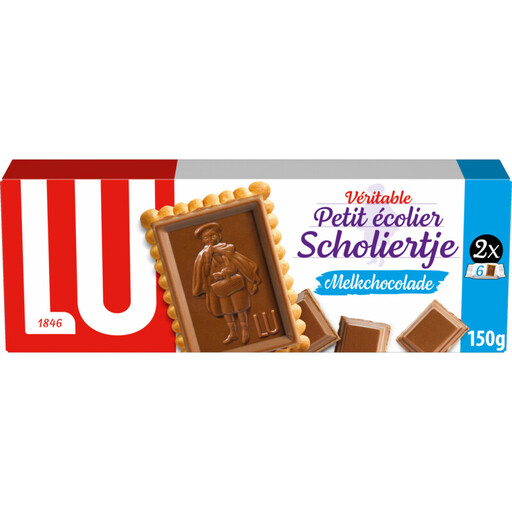 Image unavailable
A milk chocolate biscuit for anyone looking for this type of treat with breakfast. The pack states 150 g; check how it’s divided if you want a small, sealed pack each time.
According to the product information, this variety contains milk, wheat and soya, and may contain nuts. Check the current packaging if you have an allergy.
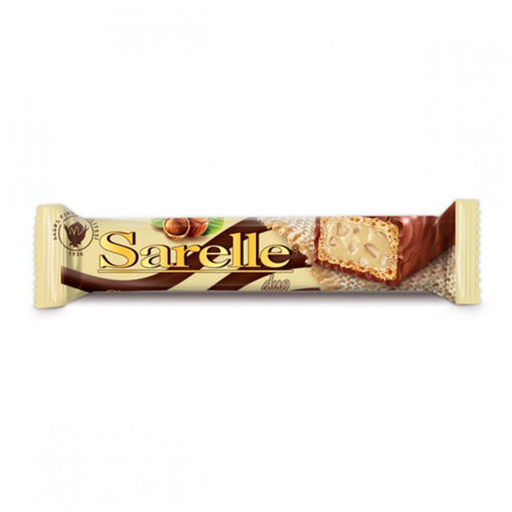 Image unavailable
A hazelnut wafer covered in milk chocolate, ideal if you’re looking for a bar-style sweet addition. The product name states 33 g; check how many bars are included in the order unit and how they’re wrapped.
According to the product information, this variety contains wheat, milk, hazelnuts and soya, and may contain traces of other nuts. Check the current label if you have an allergy.
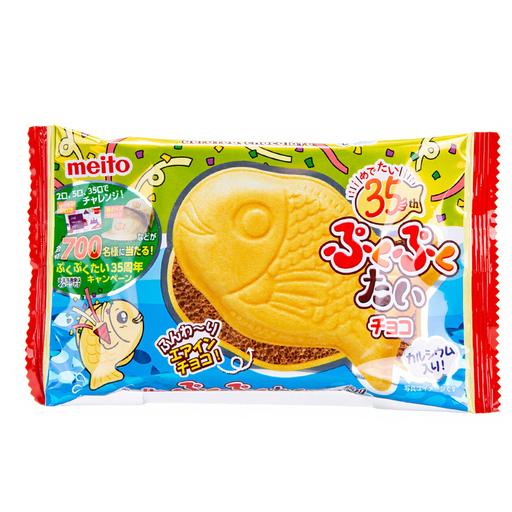 Image unavailable
A chocolate wafer with a stated weight per pack, for when you want a smaller amount. Check how many packs are included in the order unit.
According to the product information, this variety contains milk ingredients and wheat, among other things. If you have an allergy, read the full ingredients list on the current packaging.
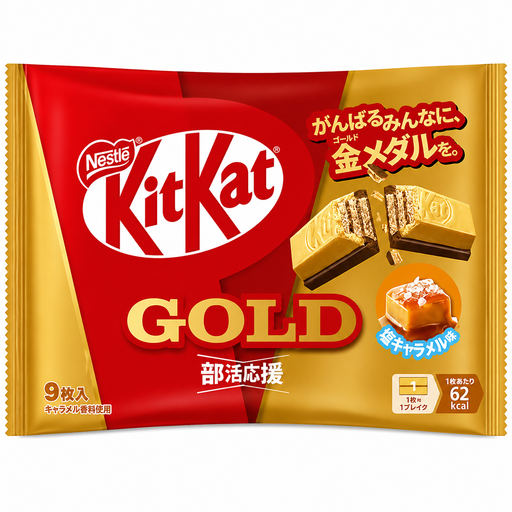 Image unavailable
A chocolate wafer with salted caramel flavour for anyone who wants to know the number of pieces in advance. The product name states nine pieces; check separately whether they’re individually wrapped if that matters to you.
According to the product information, this variety contains wheat, milk and soya. The label may also mention possible contact with egg, almonds and sesame during production. Check the current label if you have an allergy.
It’s best to enjoy a chocolate biscuit as a sweet addition when putting together a breakfast in line with the Netherlands Nutrition Centre’s general advice. Its recommendations include wholegrain products, dairy or fortified alternatives, and fruit as part of breakfast.
First compare the nutritional values per 100 g, so you’re comparing the same quantity. Then look at the values per serving and how much you actually plan to eat; no single value tells you on its own whether a product is right for your breakfast.
Read the ingredients list and allergen information on the current packaging. The Netherlands Food and Consumer Product Safety Authority states that labelling rules apply to 14 allergens; also look out for any warnings about traces that may be relevant to you.
Follow the storage instructions on the packaging of the product you buy. For its Dark Chocolate Biscuits, Jumbo advises keeping the pack in a cool, dry place, sealing it securely after opening and using the remaining biscuits within a few days. This advice applies to this specific variety.