
Stallholders keeping an eye on pack size
Looking for a size that suits expected sales and wanting to compare the contents of different packs.


If your stall sells a lot of biscuits, it may be worth considering a larger pack. For selling individual treats, a clearly visible chocolate coating and a practical portion size matter more. Verkade describes Oaties Milk Chocolate as gluten-free, but the product also contains milk and soya. If you sell biscuits loose, the Netherlands Food and Consumer Product Safety Authority says allergen information must be available before purchase.
Looking for a size that suits expected sales and wanting to compare the contents of different packs.
Wanting to offer a biscuit alongside oliebollen, with a chocolate coating and size that are immediately recognisable.
Looking for a biscuit specifically labelled gluten-free, while also taking other allergens, including milk and soya, into account when sharing information with customers.
First decide whether you’ll resell the biscuits in their packaging or offer them individually. This will help you work out which pack size is practical and how you’ll make allergen information available at the point of sale.
| What to consider | What to check before buying | Who is this most important for? |
|---|---|---|
| Pack size | Compare net weight, number of biscuits and best-before date with expected sales. | If stock moves quickly, I don’t want to keep topping up with small packs. Around 36% of consumers prioritise pack size and purchasing costs. |
| Chocolate coating | Check whether the biscuit has a layer or is fully coated, and whether the stated portion works for individual sales. | For an individual treat to go with an oliebol, I want the chocolate to be clearly visible. Around 29% of consumers prioritise presentation. |
| Allergen information | Check the current ingredients and decide how customers will be given allergen information before buying loose biscuits. | When I sell biscuits individually, I want to be able to answer questions about allergens without relying on my memory. This is the main concern for around 21% of consumers. |
| Gluten-free option | Check the gluten-free claim on the current packaging, and look at the other allergens too. | I want to be able to point out a separate gluten-free option without suggesting that it is free from all allergens. Around 14% of consumers prioritise this choice. |
Verkade describes Oaties Milk Chocolate as gluten-free, but also lists milk and soya. A gluten-free claim does not mean that these allergens are absent.
Use the precise claim shown on the current packaging, and check the full allergen information for every variety.
A larger pack is not necessarily more convenient if you sell biscuits individually or have limited space for storing stock.
Compare net weight, number of biscuits, best-before date and expected rate of sales before choosing a pack size.
The Netherlands Food and Consumer Product Safety Authority says allergen information for non-prepacked foods must be available before purchase. If you provide the information verbally, there are also requirements for making the details available to staff and inspectors, and for displaying a clear notice at the point of sale.
Keep a record of the information for each biscuit and make sure staff know where to find the latest details.
Ingredients and allergens can change. Albert Heijn notes in its product information that the details on the packaging should be used as the definitive reference.
Check the label when a new delivery arrives before reusing allergen cards or information at your stall.
AH Gesuikerde biscuits melk chocolade are an example of a larger pack with a visible chocolate coating.
Jumbo Milk Chocolate Biscuits come in a smaller pack, making them easy to compare with larger packs.
Verkade offers both a filled, chocolate-coated biscuit and an oat biscuit with milk chocolate that is specifically described as gluten-free.
Artiach Filipinos with real milk chocolate is a ring-shaped biscuit for anyone looking for a clearly visible chocolate coating.
Lotus Bakeries describes Biscoff as a crisp biscuit with a caramelised flavour. It’s a flavour reference to consider alongside coffee or tea, rather than a confirmed chocolate-coated option for this selection.
These Joybuy products offer a range of milk chocolate biscuit styles, from wafers and biscuits to sticks, as well as a separate gluten-free option. For each product, consider whether the size suits selling in its packaging or serving individual portions.
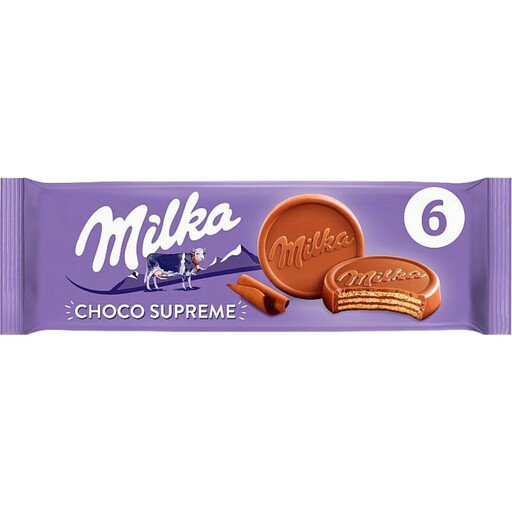 Image unavailable
A chocolate wafer for anyone looking to offer an alternative to an oliebol. If you sell the wafers individually, check the portion size and allergens on the packaging.
Contents: 180 g.
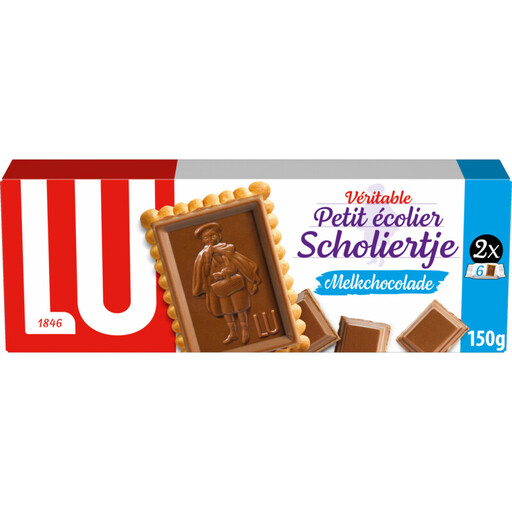 Image unavailable
A milk chocolate biscuit to consider as an individual treat. Check the packaging to see how the portions are divided before setting up individual sales.
Contents: 150 g.
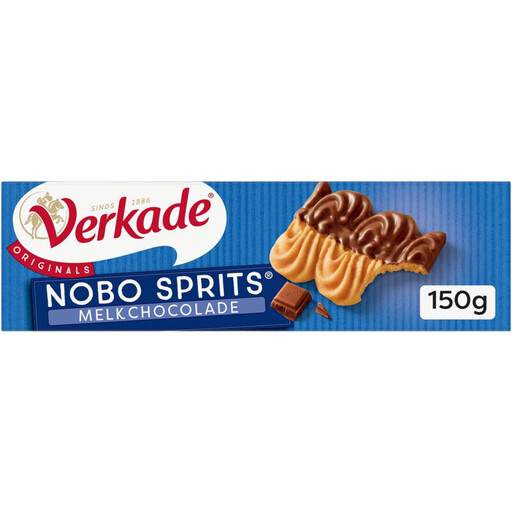 Image unavailable
A spritz biscuit with milk chocolate for anyone looking to offer a different biscuit shape. Check the current allergen information and the number of practical portions on the packaging.
Contents: 150 g.
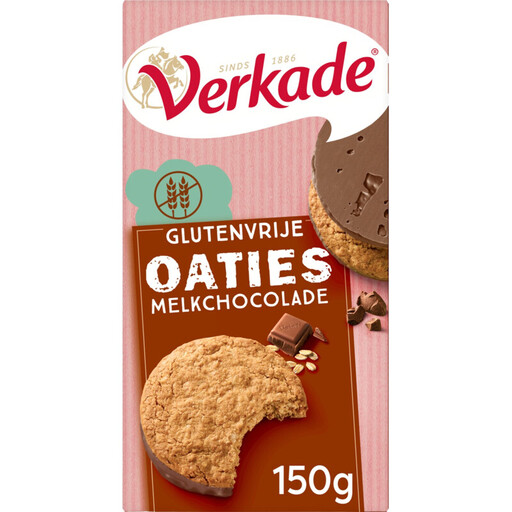 Image unavailable
A separate option if you’d also like to offer a biscuit labelled gluten-free. Verkade describes Oaties Milk Chocolate as gluten-free, but it does contain milk and soya. Check the current packaging before passing this information on to customers.
Contents: 150 g.
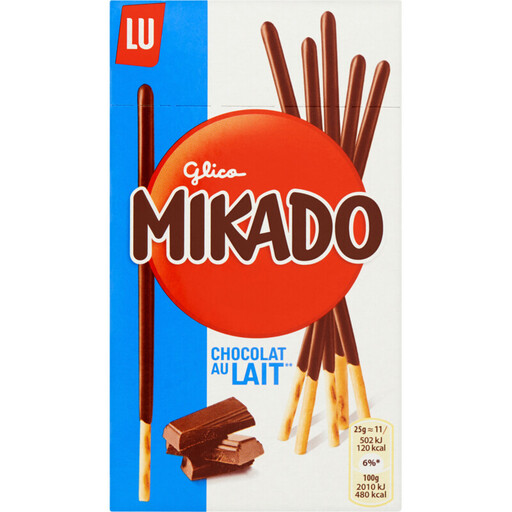 Image unavailable
Milk chocolate biscuit sticks for anyone who’d rather offer a small biscuit than a whole one. If you want to serve the sticks individually, check the portion size on the packaging.
Contents: 75 g.
When selling non-prepacked foods, you must be able to tell customers about any allergens before they buy. The Netherlands Food and Consumer Product Safety Authority says this covers information about 14 allergens. If you provide the information verbally, the details must also be available in writing or electronically to staff and inspectors, and a clear notice at the point of sale must tell customers they can ask for it.
No. Verkade describes Oaties Milk Chocolate as gluten-free, but also lists milk and soya. Check the full allergen information on the current packaging, and don’t make a broader claim than the label supports.
Follow the storage instructions on each product’s packaging. Albert Heijn recommends keeping its sugared biscuits in a cool, dark and dry place and storing them in a sealed tin after opening. Jumbo advises storing its milk chocolate biscuits in a cool, dry place and keeping them in a sealed biscuit tin once opened.
Make sure you handle and serve the biscuits safely and hygienically. The Dutch government lists clean storage and preparation, and following a food safety plan based on HACCP, among the responsibilities of food businesses.