
Office buyers planning supplies
Match the quantity, portions and packaging to coffee breaks and meetings, so an opened pack isn’t left lying around for longer than necessary.


If people will be reaching for the chocolate biscuits at different times, choose a pack that clearly contains individually wrapped portions. For a shared coffee break, a larger pack may be more practical, as long as you reseal the rest according to the storage instructions. Then check the ingredients and allergens on each product’s packaging: the type of chocolate or the brand alone won’t tell you whether a biscuit meets your team’s needs.
Match the quantity, portions and packaging to coffee breaks and meetings, so an opened pack isn’t left lying around for longer than necessary.
Clearly identifiable individual packs are useful when colleagues don’t visit the supply cupboard at the same time. A stated number of portions doesn’t necessarily mean they’re individually wrapped.
They should check the ingredients and any warnings on the exact packaging before putting a snack out for the team. Products in this category can vary by variant.
First, decide whether colleagues will share the biscuits at the same time or help themselves throughout the day. Then compare the packaging, product type and label of the variant you’re planning to buy.
| What to consider | What to check when buying | Who is this most important for? |
|---|---|---|
| Packaging and serving | Check the number of biscuits or portions, and separately confirm whether they’re actually individually wrapped. | If colleagues help themselves throughout the day, I don’t want to keep opening a shared pack. This way of handing out snacks matters most to around 40% of consumers. |
| Allergens | Read the ingredients, allergens and any warnings on the exact packaging. | When buying a snack to share, I want to check beforehand whether the chosen variant is suitable for the allergens our team needs to consider. This is the top priority for around 30% of consumers. |
| Type of biscuit | Compare the type of chocolate and the product’s make-up, such as a coated biscuit or one with a cream filling. | For a shared coffee break, I mainly look for a product type that suits the occasion. Taste and ingredients are the first things around 20% of consumers consider. |
| Stock planning | Compare the pack size and number of biscuits with how you plan to use them; check current availability before ordering. | If I regularly top up the office supplies, I want to choose a pack size the team will finish. Stock planning is the top priority for around 10% of consumers. |
A pack containing nine or thirty portions doesn’t necessarily contain the same number of individual wrappers. This matters if colleagues will be reaching for biscuits at different times.
Look specifically for information about individual packs or wrappers. If you choose a shared pack, follow the storage instructions after opening.
The name of a chocolate variant doesn’t tell you which allergens are in the biscuit as a whole. Warnings about possible traces can also vary by product.
Check the ingredients, allergens and any warnings for the exact variant before putting it out for colleagues.
Albert Heijn warns that product information can change. This is important when ingredients or allergens affect your choice.
Use the product page to make an initial comparison, then check the label and storage instructions on the packaging again when it arrives.
The range includes Tops, with a cream filling and milk chocolate topping, and Choco Wolken, made with biscuit, cream and chocolate.
Lotus Speculoos with Chocolate is a speculoos biscuit with chocolate; Lotus lists a pack containing three lots of seven biscuits.
AH Sugar-coated dark chocolate biscuits come in a 400 g pack, which Albert Heijn lists as containing 30 portions.
According to Jumbo, Jumbo Dark Chocolate Biscuits contains nine biscuits in a 125 g pack.
ALDI lists Biscotto Mini Biscuits as a 225 g pack containing six small packs. It also sells chocolate biscuits in a 20-piece variant.
These products include different types of chocolate biscuit, as well as a chocolate wafer. For the office, focus on the number of biscuits, how they’re packaged and the label; a wafer isn’t the same product type as a biscuit.
 Image unavailable
A chocolate biscuit in stick form, ideal if you want to hand out one portion per person. Check the packaging to see how many sticks are individually wrapped, and read the allergen information before choosing them for the team.
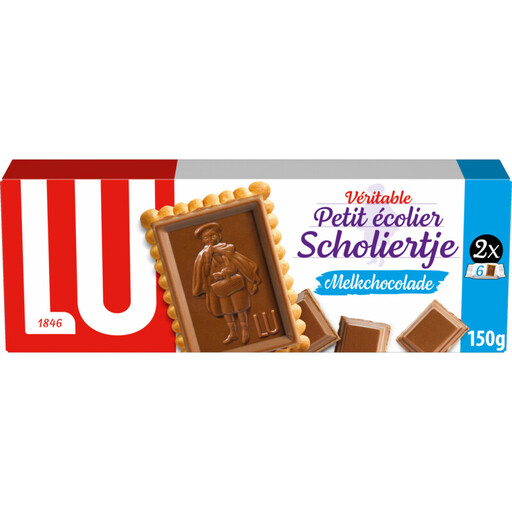 Image unavailable
Milk chocolate biscuits for a coffee or tea break. If you want to hand them out individually, check how they’re arranged in the pack, and read the allergens on the label of the variant you choose.
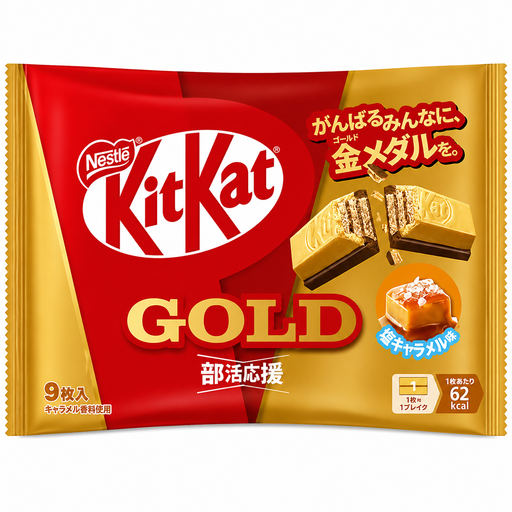 Image unavailable
A chocolate wafer for sharing, rather than a standard chocolate biscuit. The title states that there are nine pieces; check separately whether they’re individually wrapped, and read the label for allergen information.
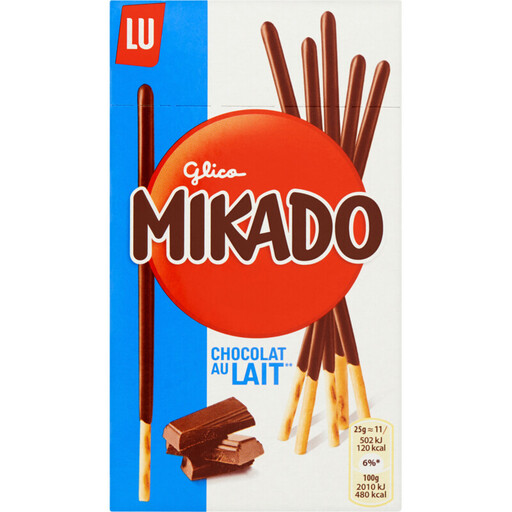 Image unavailable
Biscuit sticks coated in milk chocolate for sharing. If you plan to hand them out at different times, check how the sticks are packaged; also check the latest allergen information.
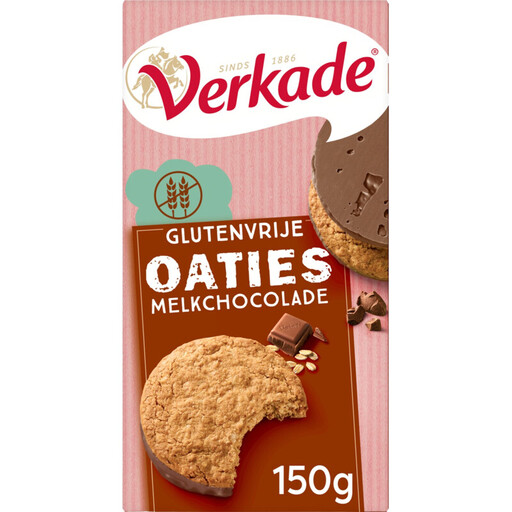 Image unavailable
An oat biscuit with milk chocolate for anyone looking specifically for this product variant. If you’re checking a dietary claim, rely only on the current packaging: check all ingredients, allergens and warnings, not just the product name.
Individual packs are particularly handy if colleagues help themselves throughout the day. Check the packaging format carefully: ALDI lists Biscotto Mini Biscuits as containing six small packs, while Jumbo’s stated nine portions for its Dark Chocolate Biscuits doesn’t confirm that they’re individually wrapped.
Follow the storage advice on the specific packaging. Jumbo advises sealing its Dark Chocolate Biscuits properly after opening; for its sugar-coated dark chocolate biscuits, Albert Heijn advises storing them in a sealed tin once opened.
You can’t tell from the type of chocolate. Jumbo lists gluten, milk and soya in its Dark Chocolate Biscuits; check the ingredients and warnings on the exact packaging for every variant.
Read the ingredients and clearly highlighted allergens on the exact packaging, along with any warnings about possible traces. The Netherlands Food and Consumer Product Safety Authority explains the labelling of the 14 allergens; a product name or photo is no substitute for checking the specific product.