
If you’re looking for a pronounced dark chocolate flavour
You want to know whether a biscuit contains dark chocolate or cocoa, and whether it also contains milk or white chocolate. A dark-sounding product name alone won’t tell you that.


For a night shift, don’t rely on words such as ‘dark’ or ‘pure’ alone. Check which types of chocolate are listed in the ingredients and exactly what any stated percentage refers to. A small pack or individually wrapped portions can be handy to take with you, but if you have an allergy or only want dark chocolate, the current packaging is what matters.
You want to know whether a biscuit contains dark chocolate or cocoa, and whether it also contains milk or white chocolate. A dark-sounding product name alone won’t tell you that.
You want to keep a few biscuits in your bag or locker without having to open a large pack each time. If so, check the number of biscuits, whether they’re individually wrapped and the storage instructions.
Before eating, you need to be able to check whether any ingredients or possible traces are relevant to you. The Netherlands Food and Consumer Product Safety Authority says allergens must be clearly listed on the label of pre-packed foods.
First decide whether the chocolate ingredients are a must-have for you. Then compare portion sizes, allergens and how much you want to take with you.
| What to consider | What to check before buying | Who it matters to |
|---|---|---|
| Dark chocolate ingredients | Check which types of chocolate and cocoa ingredients are listed. See whether a percentage refers to the proportion of chocolate in the biscuit or the cocoa content of the chocolate itself. | If I’m looking for a dark chocolate flavour only, I want to know whether the biscuit also contains milk or white chocolate. For around 38% of consumers with this shopping need, the ingredients are the top priority. |
| Portion size and packaging | Compare the number of biscuits, net weight and whether there are individual portions. Check how to store the product after opening. | On my break, I want to be able to take a few biscuits without opening the rest of the pack; for around 31% of consumers, this practical choice of portion size matters most. |
| Allergens | Check the current ingredients list, clearly listed allergens and any warnings about traces. | If I need to avoid an allergen, the ingredients being suitable for me comes before my taste preference. Around 23% of consumers make this their first requirement. |
| Quantity for several shifts | Compare the net weight and number of biscuits with how much you want to use, and bear the storage instructions in mind once opened. | If I want to take biscuits for several shifts, I want to choose a pack whose contents I can store properly. For around 8% of consumers, the quantity they need is the top priority. |
A biscuit with dark chocolate pieces may also contain milk or white chocolate. For example, Verkade lists both 12% dark and 12% milk chocolate pieces in its Chocolate Chip Melk & Puur biscuits.
Read the full ingredients list if you don’t want a mix of chocolate types.
A description such as ‘dark’ doesn’t mean the whole biscuit is free from milk or gluten. Biscuit dough and chocolate may contain ingredients you need to avoid.
Before eating, check the allergens and any warnings about traces on the packaging of the product you’re using.
If you’re taking biscuits for breaks across several night shifts, it makes a difference whether they’re individually wrapped or all in one large pack once opened.
Compare individually wrapped portions and the number of biscuits, and follow the storage instructions if you won’t finish the pack in one go.
In its biscuit range, Chocolate Chip Melk & Puur is an example of a biscuit with a mix of chocolate pieces.
Lotus offers products including Speculoos met Chocolade and crunchy chocolate wafers; according to Lotus, the wafers are packed in fours.
AH Zaans huisje pure chocolade is a butter biscuit that Albert Heijn says contains 63% dark chocolate.
Jumbo’s chocolate biscuit range includes cookies and small biscuits with dark chocolate pieces.
Lidl describes its Double chocolate cookie as containing a mix of dark and white chocolate pieces.
ALDI describes its Biscotto chocolate biscuits as a pack of 20, wrapped in pairs.
These biscuits have a dark chocolate flavour in the product name. Compare them as options to take on a night shift, but check the ingredients if dark chocolate only is a must for you.
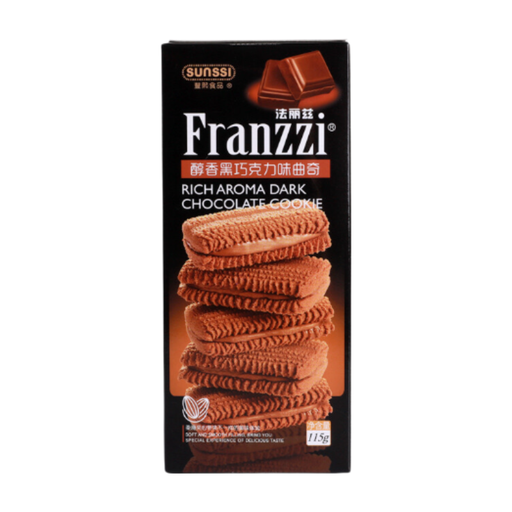 Image unavailable
An option if you want to take a biscuit with a dark chocolate flavour with you. The pack contains 115 g; check the type of chocolate and the allergens on the label if they’re important to your choice.
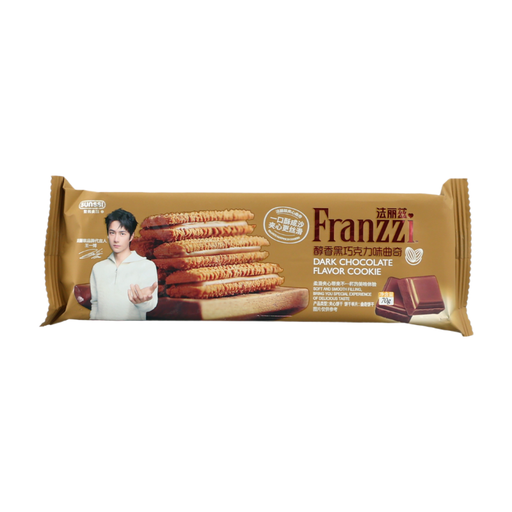 Image unavailable
A 70 g pack for anyone wanting to take a smaller quantity of biscuits with a dark chocolate flavour. If you only want dark chocolate or need to avoid certain allergens, don’t rely on the flavour name: check the current ingredients.
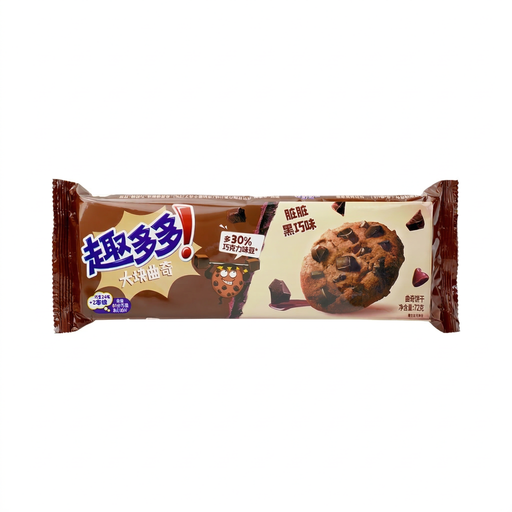 Image unavailable
A 72 g pack to compare if you’re looking for biscuits with a dark chocolate flavour. Check the label to see which type of chocolate is used and whether the pack suits the portion you want to take with you.
No, that doesn’t follow from the description alone. For example, Albert Heijn lists 63% dark chocolate for AH Zaans huisje; that’s the proportion in the biscuit product, not necessarily the cocoa content of the chocolate itself. Check exactly what any percentage on the label refers to.
No, the type of chocolate says nothing about all the other ingredients in the biscuit. Products in this category list ingredients including milk, wheat and soya. If you have an allergy, check the current ingredients, allergens and any warnings about traces on the packaging.
Follow the storage instructions on the pack you choose, particularly after opening. Albert Heijn advises keeping AH Zaans huisje in a sealed tin after opening; individually wrapped portions can be handy if you don’t want to open the rest of the biscuits yet.
Start with the ingredients list to distinguish between the types of chocolate, then check the allergens, net weight and nutritional information relevant to your choice. The Netherlands Food and Consumer Product Safety Authority emphasises that the information on pre-packed foods must be clearly legible on the label.