Don’t think of a chocolate-coated biscuit as standard fuel for marathon training. If you’d like one as a snack, choose a small portion well before your run and try it first on a normal training day. Before exercise, timing and fat content are particularly important. For recovery, a proper meal offers more than a biscuit on its own.
Who is this choice relevant to?
Runners looking for a snack just before training
If you tend to get an upset stomach, how much you eat and when matters more than the name of the biscuit. Voedingscentrum advises avoiding large portions and high-fat foods just before exercise, so don’t try a new snack for the first time before an important run.
Runners planning a small treat
You’re looking to choose a chocolate-coated biscuit with your shopping for a time when you’re not about to run. Compare the carbohydrates, sugars and fats per 100 g, but also consider how much you actually want to eat.
Shoppers who need to check ingredients
If an allergen or ingredient is a deciding factor for you, check the current ingredients list and allergen information on the specific pack. Also look out for any ‘may contain’ statement.
What should you look for when buying?
First, decide whether you want the biscuit well before training or for another snack occasion. Then compare the nutritional information per 100 g with the portion you plan to eat.
| What to consider |
What to check when buying |
Who it matters to |
| Timing and stomach comfort |
Check the fat per 100 g and work out how large your portion will be. Voedingscentrum advises avoiding large portions and high-fat foods just before exercise. |
If I’m going for a run soon after a snack, I don’t want to risk an upset stomach. Stomach comfort is the biggest consideration for around 36% of consumers when making this choice. |
| Carbohydrates per portion |
Compare the carbohydrates per 100 g with the amount you plan to eat; don’t treat a biscuit as equivalent to sports nutrition. |
When planning a snack, I want to know what my portion contributes, rather than relying only on the value per 100 g. Around 29% of consumers prioritise the carbohydrate content. |
| How it fits into your diet |
Check the sugars and saturated fat alongside the rest of the nutritional information. After a run, don’t choose a biscuit as your only alternative to a meal. |
After training, I don’t want a treat to end up replacing my usual meal without me realising. For around 21% of consumers, this is their main concern when buying. |
| Ingredients and allergens |
Check the current ingredients list, allergen information and any ‘may contain’ statements on the pack. |
If I need to avoid certain ingredients, I need to know what’s in this specific product before I buy it. This check takes priority for around 14% of consumers. |
Common mistakes
-
Treating a chocolate biscuit as sports nutrition
A biscuit may contain carbohydrates, but that doesn’t mean it’ll be practical or enjoyable to eat while running. Fat content and timing matter too.
First, decide whether you want to eat something before, during or after training. Try an everyday snack in advance on a training day rather than simply changing your fuelling plan mid-run.
-
Comparing only the carbohydrate content
A value per 100 g doesn’t tell you how much you’ll get from one biscuit, and it leaves fats and sugars out of the picture.
Check all the nutritional information per 100 g and factor in the portion you plan to eat, especially if you’re going running soon afterwards.
-
Skipping the allergen information
Ingredients vary from product to product. A familiar product name doesn’t tell you enough about its current ingredients or any ‘may contain’ statement.
If you have a relevant allergy or intolerance, always check the label on the pack you’re buying.
-
Confusing chocolate chips with a chocolate coating
A biscuit with chocolate chips isn’t necessarily coated in chocolate.
Check the product description if you specifically want a coated or dipped biscuit.
Brands to consider
Lotus Biscoff
Lotus Biscoff The Original Speculoos with dark chocolate is a chocolate-coated version of the well-known speculoos biscuit.
- For this version, Lotus Biscoff lists 68,2 g of carbohydrates and 22 g of fat per 100 g. The pack of 7 × 3 biscuits can make it easier to plan a portion in advance.
- The manufacturer also lists 39,6 g of sugars per 100 g. Take the pack and the timing of your run into account rather than looking at carbohydrates alone.
Albert Heijn
AH Choc chip coated milk is a biscuit with a milk chocolate coating and dark chocolate chips.
- Albert Heijn describes the biscuits as coated in 35% milk chocolate and containing 5,2% dark chocolate chips; the product information gives a portion size of 22 g.
- A stated portion size doesn’t tell you how comfortable it’ll feel just before running. Check the nutritional information too.
Jumbo
Jumbo Digestive Biscuit Milk Chocolate is a digestive biscuit with milk chocolate.
- Jumbo lists 63,4 g of carbohydrates per 100 g and a labelled portion of 17 g, so you can compare the per-100 g value with a smaller amount.
- Jumbo also lists 24 g of fat per 100 g. The word ‘digestive’ doesn’t automatically make it a good choice just before a run.
Verkade
Verkade Nizza Coconut Milk Chocolate is a coconut biscuit described in the product information as dipped in milk chocolate.
- The description makes clear that this is a dipped biscuit, not simply a biscuit with chocolate chips.
- Check the portion size, nutritional information and ingredients if you’re planning to have this version around a training session.
Biscuits and snacks at Joybuy
These products are options to consider as everyday snacks planned in advance. They vary in shape and packaging; none of their names make them sports nutrition for eating while running.
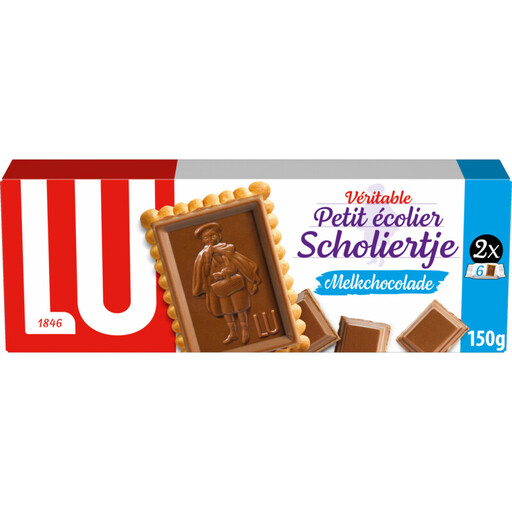 Image unavailable
Lu Scholiertje Milk Chocolate Biscuits, 150 g
If you’re considering these biscuits as a planned snack, first decide when and how much you want to eat. Check the nutritional information and allergens on the pack.
View at Joybuy
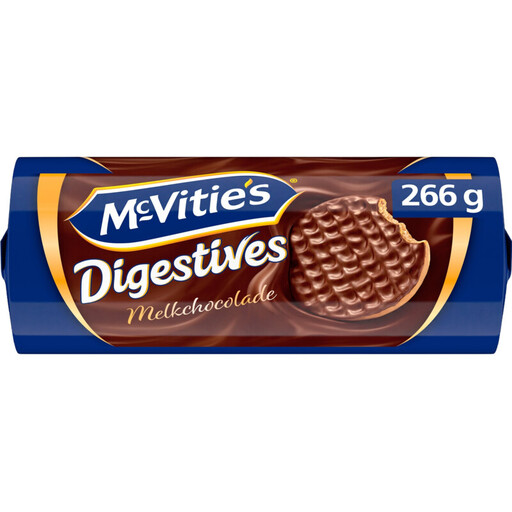 Image unavailable
McVitie’s Digestives Milk Chocolate, 266 g
You could have this milk chocolate digestive as an everyday snack away from your run. Check the pack to see how much one biscuit weighs if you want to plan a portion.
View at Joybuy
 Image unavailable
Glico Pocky Cookie Bar Chocolate Flavor, 47 g IN
The stick shape could be an alternative if you’d rather not take a regular biscuit with you. Check the pack contents and how much you plan to eat before buying.
View at Joybuy
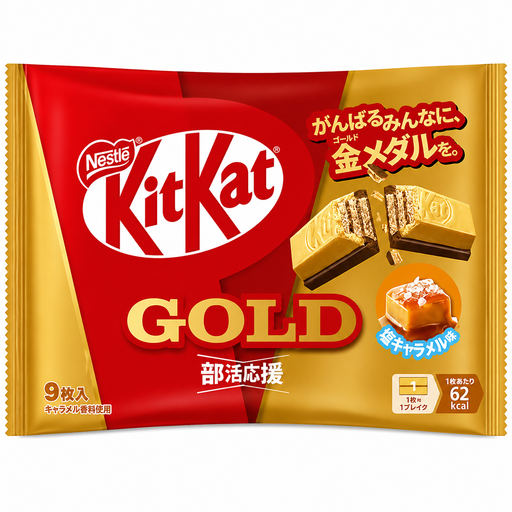 Image unavailable
KitKat Gold Wafer Chocolate Salted Caramel Flavor, 9 pieces
If you want to plan your portion by the piece, the pack of 9 wafers gives you a clear count. Check the nutritional information per piece on the label; don’t compare it directly with values per 100 g.
View at Joybuy
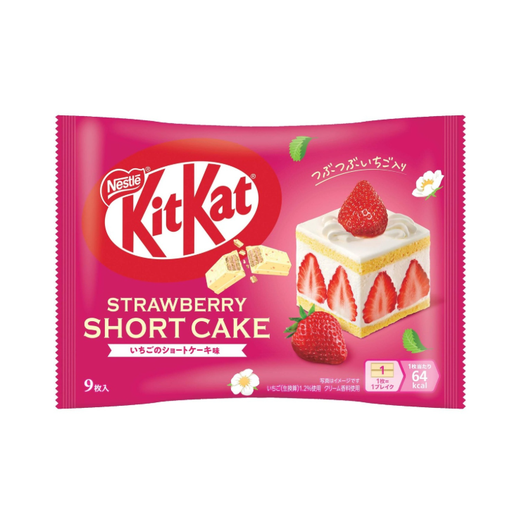 Image unavailable
Nestle Kitkat Strawberry Short Cake, 9 pieces, 104,4 g
The pack contains 9 pieces and has a stated weight of 104,4 g. If you’re planning to have one as a snack, first check the nutritional information and ingredients on the current label.
View at Joybuy
Frequently asked questions
Can I eat a chocolate-coated biscuit just before running?
It’s best to avoid a large portion of chocolate-coated biscuits just before running. Voedingscentrum advises avoiding large portions and high-fat foods before exercise, as they can stay in your stomach for longer. If you want to see how you get on with a biscuit, try a small amount well in advance during a regular training session.
Can a chocolate biscuit replace my food during a long training session?
Don’t assume a chocolate biscuit serves the same purpose as the food you’ve planned to have while running. As well as carbohydrates, it contains fat. Whether you need to eat during a long training session, and what’s practical for you, depends on the effort involved and your own training plan.
Is a chocolate-coated biscuit enough after running?
Don’t treat a single biscuit as a replacement for a proper meal after running. A meal gives you the opportunity to get a range of nutrients; also drink according to the effort you’ve put in.
Where can I check allergens in chocolate-coated biscuits?
Check the allergens on the label of the pack you’re buying. Read both the ingredients and any ‘may contain’ statements for anything relevant to you; don’t rely only on the front of the pack or a previous purchase.


