Choose chocolate-coated biscuits as a planned snack well before a training session or as an everyday treat, rather than relying on them as fuel during a long run. Compare the carbohydrates per serving with the fat and fibre content, and try out the portion and timing in training: the Netherlands Nutrition Centre advises against large portions and foods high in fat or fibre just before exercise.
Who are they for?
Runners with long training sessions
If you regularly run for longer than around 1 to 1.5 hours, you’ll want to know whether a chocolate biscuit fits into your food and drink plan. The Netherlands Nutrition Centre points out that glycogen stores can become depleted during these longer runs.
Runners with a sensitive stomach before setting off
If you want to eat something before you run, the portion size, timing and what you can tolerate all matter. The Netherlands Nutrition Centre advises against choosing a large portion or foods high in fat or fibre just before exercise.
Runners who want to take a snack with them
If you’re looking for a biscuit to have on the go, at work or after a training session, the number of biscuits per serving, the nutritional information and the current allergen label are more useful points of comparison than pack size alone.
What should you look for when buying?
First, decide when you want to eat the biscuit: a snack well before setting off calls for a different approach from food eaten while running. Then compare the actual portion and see how it suits you.
| What to consider |
What to check when buying |
Who it matters to |
| Carbohydrates you can plan for |
Compare carbohydrates per 100 g and per serving; check how many biscuits make up a serving. |
On a long training day, I want to know in advance how many carbohydrates my snack provides. This is the top priority for around 42% of consumers. |
| Comfort before a run |
Check the fat and fibre per serving, and choose a time when you’ve already tried that portion in training. |
If I eat shortly before setting off, I don’t want a large or heavy portion. Around 33% of consumers say this comfort is their top priority. |
| Taking it with you and portioning it out |
Check the weight and number of biscuits per serving; if you have an allergy, read the pack label. |
For work or when I’m out and about, I want to be able to take a portion with me without having to share it out from a large pack each time. This convenience comes first for around 25% of consumers. |
Common mistakes
-
Seeing a chocolate biscuit as a substitute for a fuelling plan during a run
On a long run, it’s not just about eating something energy-dense. For endurance exercise, the Netherlands Nutrition Centre discusses the intake of fast-absorbing carbohydrates; a biscuit may be less practical to measure out and eat while running because of its portion size, crumbs and ingredients.
Plan your fluids and carbohydrates separately for long sessions. If you do want to take a biscuit, try it in training to see whether the portion and eating it on the go work for you.
-
Looking only at calories or sugars
Two chocolate biscuits can differ in their carbohydrates, fat, fibre and weight per edible portion. A single figure on the front of the pack won’t show you these differences.
Check the nutritional information per 100 g and per serving so you can compare products on a like-for-like basis.
-
Saving a new biscuit for race day
How a portion suits you just before or during a run varies from person to person. The timing of your snack matters too.
Try out the portion, timing and drinks during regular training first; don’t include a product that causes you discomfort in your running plan.
-
Relying on allergen information from a product page you viewed earlier
The Netherlands Food and Consumer Product Safety Authority (NVWA) explains that pre-packed foods must display allergen information on the label. For your choice, it’s the information on the pack you’re actually using that matters.
If you have an allergy or specific dietary requirements, check the ingredients and allergens for that exact product before eating it.
Brands to consider
These examples show the differences you may come across between products and portions; a brand name alone won’t tell you whether a biscuit is right for you around training.
Lotus Biscoff
Lotus Bakeries Netherlands lists its chocolate speculoos biscuits in a pack of 7 × 3 pieces, with a chocolate content of 22%.
- The product information lists 68.2 g of carbohydrates per 100 g.
- With 22 g of fat per 100 g, portion size and timing before a run are worth considering.
Verkade
Verkade offers Chocorondjes Milk Chocolate, among other products, as well as a separate gluten-free Oaties variety with milk chocolate. These are different products.
- For Chocorondjes, Verkade lists 6.6 g of carbohydrates and 3.1 g of fat per biscuit.
- If gluten-free eating or other allergens are relevant to your choice, check the label on the exact Oaties pack.
Jumbo
Jumbo lists its Dark Chocolate Biscuits as containing nine biscuits in a 125 g pack.
- According to Jumbo, a 14 g serving provides 8.5 g of carbohydrates.
- If you want to eat more carbohydrates with these biscuits, bear in mind that you’ll need several servings, and check the other nutritional values per serving too.
Liga belVita
Albert Heijn lists Liga belVita chocolate breakfast biscuits with a serving of four biscuits, weighing 50 g in total.
- The stated serving size makes it possible to compare them with a planned snack.
- If you’re eating before a run, also check the fat and fibre per serving, and try out the timing in training.
CHOCEUR
ALDI Netherlands describes CHOCEUR Choco & biscuit as a biscuit with milk cream and milk chocolate.
- The product description makes clear that this is a filled chocolate biscuit.
- Check the carbohydrates, fat, fibre and allergens on the pack before adding it to your training routine.
Sondey
Lidl lists Sondey Choco biscuits milk as a chocolate biscuit.
- The product name makes it easy to identify the type of biscuit when comparing packs.
- Read the nutritional information and allergens on the current pack before comparing its portion with other biscuits.
Chocolate biscuits for a planned snack
These Joybuy products are options if you’re considering a chocolate biscuit as a planned snack on a training day. Assess a portion before a run by checking the label and drawing on your own experience in training, rather than looking at pack size alone.
 No image available
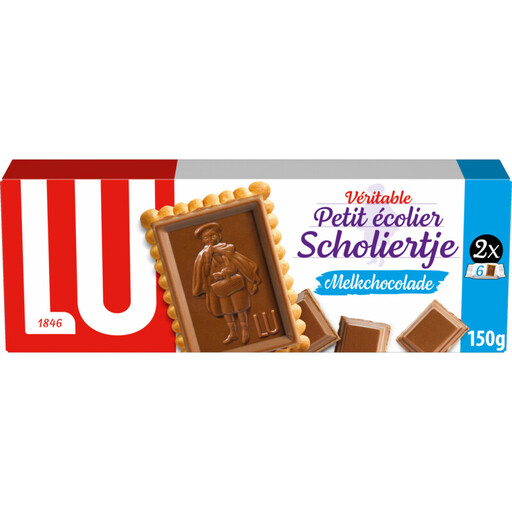
Lu Scholiertje Milk Chocolate Biscuits, 150 g
An option if you want to plan a chocolate biscuit as a snack well before a training session.
The pack contains 150 g; check the label for the nutritional information for the amount you actually eat.
View at Joybuy
 No image available
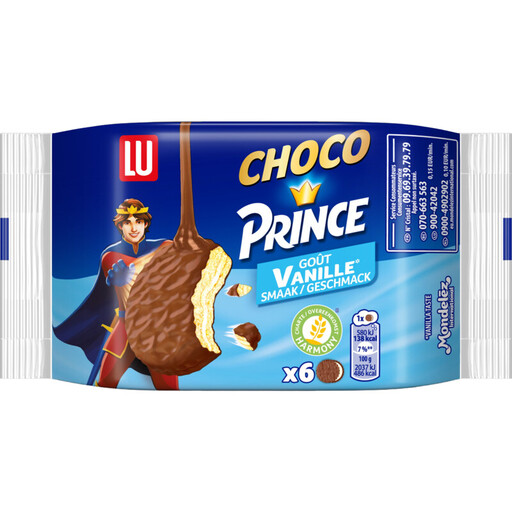
Lu Choco Cookies with Chocolate and Vanilla, 171 g
A chocolate biscuit to consider as a planned snack, rather than something to rely on as fuel during a long run.
The pack contains 171 g; check the fat and fibre on the label for your chosen portion too.
View at Joybuy
 No image available
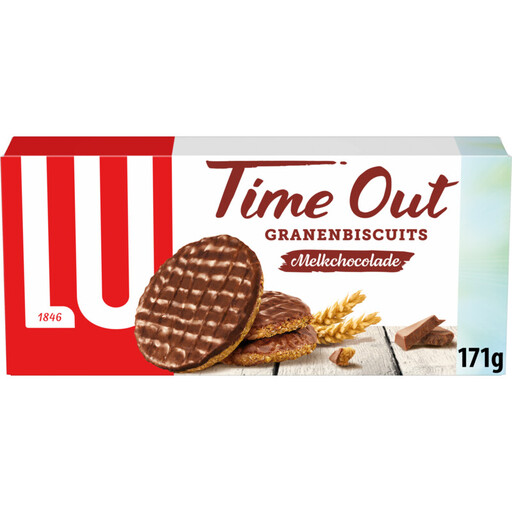
Lu Time Out Cereal Biscuit Chocolate, 171 g
A cereal biscuit with chocolate to consider as a snack on a training day.
The pack contains 171 g; compare the nutritional information per serving on the label, and try that portion before a regular training session.
View at Joybuy
Frequently asked questions
Can I eat chocolate biscuits during a long training run?
They may be a practical option if you’ve tried the portion in training and it fits into your food and drink plan. For endurance exercise lasting 1 to 2.5 hours, the Netherlands Nutrition Centre recommends 30 to 60 g of fast-absorbing carbohydrates per hour; don’t assume a chocolate biscuit will automatically make it easy to measure out that amount.
When can I eat a chocolate biscuit before running?
The Netherlands Nutrition Centre recommends having a larger meal around two to three hours before exercise, if possible. If you eat something closer to setting off, keep the portion small and watch the fat and fibre content; try out the timing and amount in training first.
Can chocolate biscuits form the basis of my diet during marathon training?
No. Treat them as an everyday snack, not as a replacement for varied meals or a food and drink plan for long training sessions. The Netherlands Nutrition Centre emphasises that endurance athletes need enough carbohydrates as well as fats and protein.
What should I look for if I have allergies or follow a gluten-free diet?
Check the ingredients and allergens on the exact pack you intend to eat. The Netherlands Food and Consumer Product Safety Authority (NVWA) explains that pre-packed foods must display allergen information; a gluten-free label alone doesn’t tell you whether other allergens are present.


