If ‘low fat’ is a strict requirement, don’t choose any of the chocolate-coated biscuits compared here: the lowest stated value is 22 g of fat per 100 g, while Regulation (EC) No 1924/2006 allows a maximum of 3 g per 100 g for a ‘low-fat’ claim on solid foods. If you only want to compare biscuits in this category, look at the fat and saturated fat per 100 g, then decide how much you want to eat at a time. A smaller portion doesn’t make a product low fat.
Who is this choice for?
Shoppers with a strict low-fat requirement
If you’re looking for a product that meets the ‘low-fat’ nutrition claim, the first thing to check is the fat per 100 g. A small portion or a lower value than another biscuit doesn’t change the threshold for the claim.
Shoppers comparing biscuits in this category
If you do want a chocolate-coated biscuit, you can compare the fat and saturated fat per 100 g. This keeps differences in stated serving sizes out of the comparison.
Portion planners
If you want to decide how much to eat at a time, check the weight of one biscuit or the stated serving after comparing the values per 100 g. These are two different questions.
What should you look for when choosing?
First, decide whether ‘low fat’ is a strict requirement. Only if you want to compare chocolate-coated biscuits does the difference between products, and the portion you choose, become decisive.
| What to consider | What to check when buying | Who it matters to |
|---|
| Strictly low fat |
Check the fat per 100 g. Under Regulation (EC) No 1924/2006, solid foods can contain a maximum of 3 g per 100 g to carry the ‘low-fat’ claim. |
I want a biscuit that genuinely meets the ‘low-fat’ threshold, not one that simply contains less fat than another biscuit. For around 45% of shoppers, this strict requirement comes first. |
| Comparing products |
Compare the fat and saturated fat per 100 g of the exact variants, not just their flavour names. |
If I choose a chocolate-coated biscuit, I want to assess differences within that category without calling the product low fat. For around 36% of shoppers, this comparison matters most. |
| Amount per eating occasion |
After checking the values per 100 g, see how many grams are in one biscuit or the stated serving. |
For a small snack, I want to know how much I’m actually having, even if the biscuit isn’t low fat. Around 19% of shoppers prioritise their own portion size. |
Common mistakes
-
Confusing ‘less fat’ with ‘low fat’
Albert Heijn lists 22 g of fat per 100 g for Lotus Biscoff Speculoos Belgian chocolate. Even this lowest value in the limited comparison is above the threshold for a ‘low-fat’ claim on solid foods.
If low fat is a strict requirement, use the maximum of 3 g of fat per 100 g set out in Regulation (EC) No 1924/2006. Look beyond the biscuits compared here if that requirement comes first.
-
Comparing different serving sizes directly
A value per stated serving depends on how many grams the manufacturer counts as a serving. This means it doesn’t provide a like-for-like basis for comparing products.
First compare the nutritional values per 100 g, as recommended by the Netherlands Nutrition Centre, then work out the weight of your own portion.
-
Assuming ‘plain’ or ‘digestive’ means healthier
Jumbo lists 24.0 g of fat per 100 g for its Digestive Biscuit Pure Chocolade; Albert Heijn lists 24 g per 100 g for AH digestive melk. The flavour or product name alone doesn’t tell you which of these two contains less total fat.
Check the nutritional information for fat and saturated fat per 100 g on the exact variant.
-
Relying on out-of-date product information
Ingredients, nutritional values and allergen information can change when a product is updated. This is especially important if a particular ingredient or nutritional value affects your choice.
Check the packaging of the product you receive before eating it.
Brands to consider
Lotus Biscoff
Speculoos biscuits with a layer of Belgian chocolate are among the varieties compared here.
- Albert Heijn lists 22 g of fat and 13 g of saturated fat per 100 g for Lotus Biscoff Speculoos Belgian chocolate: the lowest total fat value of the four products compared.
- This variant still doesn’t meet the threshold for a ‘low-fat’ claim on solid foods.
Albert Heijn
The own-label range includes chocolate-coated biscuits, including the variant compared here.
- Albert Heijn lists 29 g of fat per 100 g for AH Choc chip coated melk, one of the four variants compared.
- This variant isn’t low fat based on the stated value.
Jumbo
The own-label range includes chocolate-coated biscuits, including the variant compared here.
- Jumbo lists 24.0 g of fat and 12.9 g of saturated fat per 100 g for Digestive Biscuit Pure Chocolade, one of the four variants compared.
- This variant doesn’t meet the threshold for a ‘low-fat’ claim on solid foods.
McVitie's
The brand offers chocolate-coated digestive biscuits.
- McVitie’s is another brand to consider if you’re comparing chocolate-coated biscuits.
- Check the nutritional values and current availability of the exact variant you choose.
Verkade
Verkade Tops chocolate combines biscuits with a milk chocolate topping and cream filling.
- Albert Heijn lists 24 g of fat and 14 g of saturated fat per 100 g for this variant, the fourth product compared.
- Choosing a particular portion size doesn’t change the nutritional value per 100 g or make the product low fat.
Chocolate-coated biscuits on Joybuy
This milk chocolate biscuit is relevant if you want to compare products in the chocolate-coated biscuit category. Don’t assess it on the assumption that chocolate-coated biscuits are low fat.
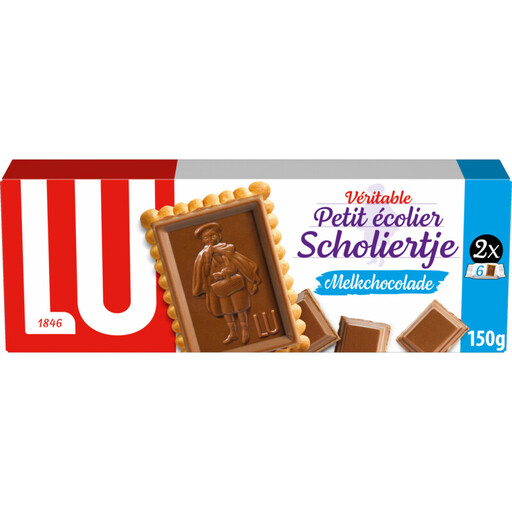 Image unavailable
Lu Scholiertje Milk Chocolate Biscuits 150 g
A milk chocolate variety to compare with other chocolate-coated biscuits. Before choosing, check the fat and saturated fat per 100 g, and the serving weight, on the packaging.
View on Joybuy
Frequently asked questions
Are the chocolate-coated biscuits compared here low fat?
No, none of the four products compared meets the threshold for this nutrition claim. Under Regulation (EC) No 1924/2006, solid foods can be called ‘low fat’ only if they contain no more than 3 g of fat per 100 g; the values listed by Albert Heijn and Jumbo for these four products range from 22 to 29 g per 100 g.
Should I compare biscuits per serving or per 100 g?
First compare different biscuits per 100 g. The Netherlands Nutrition Centre recommends this basis because stated serving sizes can vary. Then use the weight per serving to work out your own portion.
Does a biscuit with dark chocolate contain less fat than one with milk chocolate?
Not necessarily: Jumbo lists 24.0 g of fat per 100 g for Digestive Biscuit Pure Chocolade, while Albert Heijn lists 24 g per 100 g for AH digestive melk. Compare the nutritional information for the exact products rather than using the type of chocolate as a guide.
Where can I check the allergens in chocolate-coated biscuits?
Read the allergen information on the packaging of the exact variant. The products mentioned include ingredients such as gluten-containing cereals, milk and soya, but ingredients and any warnings vary by product.


