
Vandaag of morgen in huis

Kwaliteit gegarandeerd

Welkomstaanbiedingen ontgrendelen: GRATIS bezorging | Tot 80% korting | Gratis 30 dagen JoyPlus-proefperiode
Download de app
Chocolate biscuits may seem simple to choose, but they vary greatly in flavour, size, filling and packaging. A large bag isn’t always better value when you’re mainly looking for biscuits to take on the go. And an eye-catching packet tells you little about the amount of chocolate, allergens or nutritional content.
If you’re looking to buy chocolate biscuits, it’s worth avoiding three common pitfalls:
First, decide when you’ll be eating the biscuits. For home or the office, a larger pack can be handy. The G’woon Crispy Brownie Chocolate Cookies, for example, come in a 200g pack. For a quick break, a school bag or a bike ride, smaller packs of 35g, 40g, 47g or 50g are easier to portion.
Individual wrapping can help keep biscuits crunchier for longer and makes sharing simpler. That doesn’t automatically mean every individually wrapped product stays fresher for longer: seal an opened pack properly and store biscuits in a cool, dry place.
Pay attention to the difference between:
The ingredients list gives clues about the composition. If cocoa powder or cocoa mass appears relatively early in the list, it makes up a larger part of the recipe than if it appears later. For products with a coating, the stated percentage is also relevant. According to the product description, the Lu Mikado Milk Chocolate Biscuit Sticks, for example, contain a milk chocolate layer of 49%.
In the UK, major allergens must be clearly listed on the label. In this product category, wheat/gluten, milk and soya are particularly common. Some products also mention egg, peanuts or other nuts as possible allergens.
Compare the nutritional values per 100g rather than per serving. This allows you to compare packs more fairly. In the product information provided, some values for sugars, saturated fat or carbohydrates vary or are missing. Always use the current packaging as the definitive label. An online product description can change or contain an incomplete table.

Why this fits the profile: A familiar choice if you’re after a classic chocolate flavour and a medium-sized pack for home, the office or with your coffee.
The product description states a minimum of 20% chocolate chips. Check this on the label when you receive it and compare the quantity with the price per 100g.
85g, ready to eat and, according to the product information, crunchy with chocolate chips. Allergens: wheat, soya and milk.
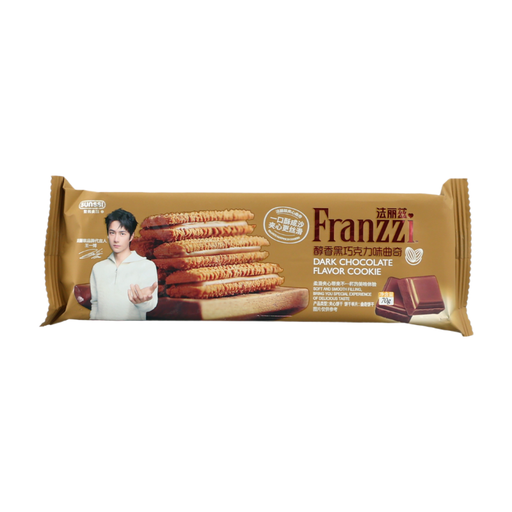
Why this fits the profile: Ideal if you’re after a darker chocolate flavour and a smaller portion for a coffee break or afternoon tea.
The product information mentions cocoa and cocoa mass and gives a net weight of 70g. This makes the flavour direction clearer than a general claim about chocolate.
Individually wrapped according to the product description; contains wheat, milk, egg and soya. Check the current packaging if you have allergies.
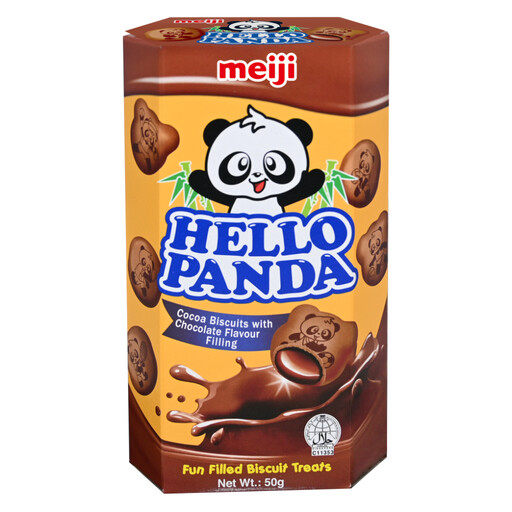
Why this fits the profile: A practical option for parents, lunchboxes and fans of Japanese biscuits who want a small, filled snack.
The 50g size makes the portion easy to manage. The product description mentions a chocolate centre, so expect a filled biscuit rather than a dry cookie.
Per 100g, the product information states 263 kcal and 15.4g sugar. Contains wheat, milk and soya.
We’ve put together a full, up-to-date list of products that fully meet these strict selection criteria and comply with current European safety regulations.
Store biscuits in a cool, dry place, away from direct sunlight and out of the way of heat and moisture. Once opened, it’s best to seal the pack tightly. This helps prevent crunchy chocolate biscuits from going soft.
For on-the-go snacking, small packs are handy, but watch the temperature. Chocolate coating can melt or stain in warm conditions. In a lunchbox, a sturdy, sealed container works better than a loose biscuit among other items. For children, panda or animal shapes are appealing, but check the ingredients, portion size and any warnings as well.
That depends on your preference. Dry, crunchy biscuits generally go well with coffee. If you prefer a softer flavour, you could choose filled chocolate biscuits or a yoghurt and chocolate variety. A small pack stops a large bag from staying open for too long.
The best-before date is on the packaging. After opening, the texture depends mainly on moisture, heat and how well the pack is sealed. Store biscuits in a dry place and seal the pack immediately after use. Individual portions can be practical if you don’t eat everything at once.
Check allergens, net weight, ingredients and portion size. A fun shape or colourful packet says nothing about the contents. With international or Asian snacks, always check the UK or European label and follow the allergen information on the current packaging.
