
Vandaag of morgen in huis

Kwaliteit gegarandeerd

Welkomstaanbiedingen ontgrendelen: GRATIS bezorging | Tot 80% korting | Gratis 30 dagen JoyPlus-proefperiode
Download de app
Chocolate biscuits come in many forms: crunchy biscuits, soft cakes, chocolate wafers and biscuit sticks coated in chocolate. When you search online for chocolate biscuits or chocolate snacks, you’ll quickly see dozens of packs that look similar. Yet they differ greatly in size, texture, ingredients and when you might eat them.
A pack with an appealing picture doesn’t always tell you about the amount of chocolate, the portion size or the allergens. With these practical selection tips, you can avoid a bad buy and more easily find chocolate biscuits for your coffee, on the go, in a lunchbox or to share.
An XL pack can be handy for a household or a party, but it’s less suitable if you only want a small sweet treat now and then. A big box can also stay open longer, which means biscuits may lose their crunch.
So don’t just look at the total price – also check:
A portion pack, such as a small wafer or a bag of biscuit sticks, is practical for eating on the go. A larger pack makes more sense when you’re sharing chocolate biscuits with several people.
Chocolate can appear in a biscuit as a coating, a filling, cocoa powder or chocolate chips. These different forms give a different eating experience. A thin layer of milk chocolate around a biscuit stick feels quite different from a sandwich biscuit with a cream filling.
So check the ingredients list and, where available, the stated percentage. With Lu Mikado, the coating is 49% milk chocolate according to the product information. Chips Ahoy! states at least 20% chocolate chips in the product description. These are verifiable facts that tell you more than vague words like “richly filled”.
International snacks sometimes combine flavours that are less common in the UK. Think strawberry with chocolate, matcha, pistachio, cookies & cream or lemon-vanilla. So take a good look at whether you’re choosing a product with dark chocolate, milk chocolate, white chocolate, fruit flavouring or a filling.
With Japanese snacks like Pocky and Meito Pukupukutai, the emphasis is often on a light, crunchy texture. Korean snacks like Choco Pie, on the other hand, consist of soft cake, a filling and a chocolate-like coating. These aren’t direct substitutes for a traditional chocolate biscuit.
First, decide which type of chocolate snack you’re after:
The product name and photo give you a first impression, but also check the product description. “Wafer”, “biscuit”, “cookie” and “cake” refer to different textures.
For shoppers with an allergy or intolerance, it’s important to check the full packaging. Many chocolate biscuits contain wheat, milk and soya. Some products also mention egg, nuts, peanuts or sesame as possible traces.
The online product information may differ from the label you receive. So always check the actual packaging before eating. Also look out for ingredients such as palm oil, cocoa butter, milk powder and gelatine if you’re mindful of them.
Chocolate biscuits are sweet treats. The nutritional information is usually given per 100 grams, but a portion can be much smaller. So compare the number of grams per piece or per bag when you’re looking at different products.
For example:
These figures describe the products, but they don’t decide which snack suits your situation. For sharing, taking with you or enjoying occasionally with coffee, other features may matter more than a large pack.
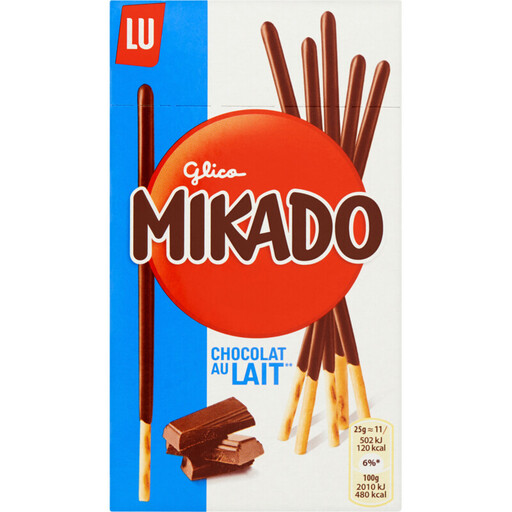
Why this fits the profile: The 75-gram pack contains 3 x 11 biscuit sticks, making it suitable for opening at home or sharing with others.
The fixed net weight and division into three portions make it easier to judge the amount in advance.
Thin, crunchy biscuit sticks with 49% milk chocolate according to the product information; also usable as a decoration for desserts.

Why this fits the profile: A compact Japanese snack for anyone looking for a familiar combination of crunchy biscuit and chocolate flavour.
The product information specifically mentions a 47-gram pack and lists wheat, milk and soya as allergens.
Crunchy biscuit sticks with chocolate flavour; according to the product description, free from artificial colours and preservatives.
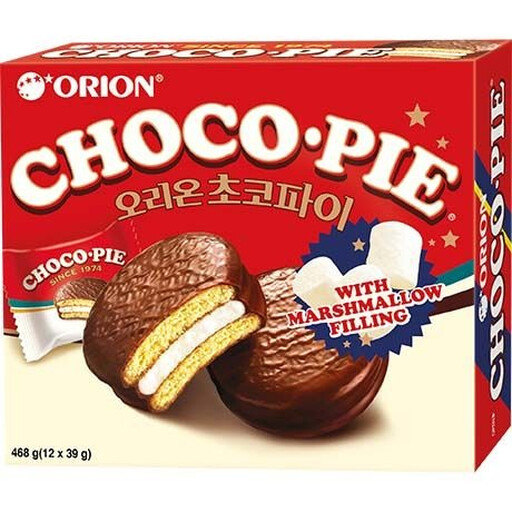
Why this fits the profile: The larger pack is practical for families, visitors or occasions when you want to serve several soft chocolate snacks.
The product description makes it clear that this is a soft cake with filling and a chocolate-like coating, not crunchy biscuits.
468 grams, suitable for sharing; contains wheat, milk, egg and soya according to the label.
We’ve put together a full, up-to-date list of products that fully meet these strict selection criteria and comply with current European safety regulations.
Small packs and biscuit sticks are usually practical for eating on the go. Look for sturdy packaging and choose a size you can open and take with you in one go. Pocky, Mikado and small wafers are examples of compact chocolate snacks. In warm weather, check whether the chocolate might melt and store the product out of direct sunlight.
Store biscuits according to the instructions on the pack, usually in a cool, dry place away from direct sunlight. Seal an opened bag tightly or use an airtight container to keep moisture out. Soft cakes like Choco Pie have a different texture expectation from crunchy biscuits and won’t become crisp again through storage.
Check the size, portion size and allergen information. Always check the current label for wheat, milk, soya, egg, nuts and possible traces. Products with individual portions are handy for handing out, while a larger pack is better suited to a shared snacking moment. Also bear in mind the total amount of sugar and energy per portion.
