
Vandaag of morgen in huis

Kwaliteit gegarandeerd

Welkomstaanbiedingen ontgrendelen: GRATIS bezorging | Tot 80% korting | Gratis 30 dagen JoyPlus-proefperiode
Download de app
Chocolate biscuits are handy for on the go, with your coffee or for sharing at home. Yet packaging often looks bigger than it is, and a striking flavour name doesn't always tell you much about what's inside. When you're comparing chocolate biscuits, filled biscuits or chocolate biscuit sticks online, it pays to look beyond the front of the packet.
A 200g bag might seem better value than a 70g packet. That depends on the price per 100g, the number of servings and the amount of chocolate. So check:
For a family, a larger packet can be practical. For a lunchbox or a snack on the go, a smaller packet is often more convenient.
One biscuit is coated in milk chocolate, another contains cocoa powder, chocolate chips or just a chocolate flavouring. Product names like "dark chocolate flavour" or "chocolate coating" aren't enough to judge what's actually in it.
Look at the ingredients list and pay attention to the order. Under European labelling rules, ingredients are listed in descending order by quantity. A product with a chocolate coating is therefore clearly different from a biscuit that only contains a small amount of cocoa.
A biscuit with yoghurt, matcha, lemon or pistachio flavour sounds distinctive, but it still often has sugar, fat and flour as its main ingredients. According to the manufacturer's or seller's product description, a flavour combination might be described as "creamy" or "premium"; that's not an objective quality standard.
Use the nutrition table to compare products fairly. The values below are usually per 100g, not per biscuit. A small portion pack can therefore contain less than a large bag, even if the values per 100g are similar.
First, choose the texture that suits how you'll use it:
With a coating, also think about storage. Chocolate can melt or develop a white bloom in warm conditions. Store the packet according to the label in a cool, dry place, away from direct sunlight.
For families and parties, a packet of 100g to 260g is practical. Individually wrapped biscuits are ideal for school, the office or on the go, because you don't have to open the whole bag at once. With multiple small packets, you sometimes pay more per 100g.
Once opened, resealability is important for keeping that crispy texture. If the packet doesn't have a good seal, you can store the biscuits in an airtight tin. Always check the packaging for damage and the stated best-before date.
Many products in this category contain wheat, gluten, milk and soya. Some varieties also list egg, peanuts or nuts as an ingredient or possible cross-contamination. So check the actual packet, especially when you're buying biscuits for children or guests with an allergy.
Also look out for differences between product information and the label. Online details can change and some nutritional values may be incomplete. The physical label is the definitive source for ingredients, allergens, country of origin and shelf life.
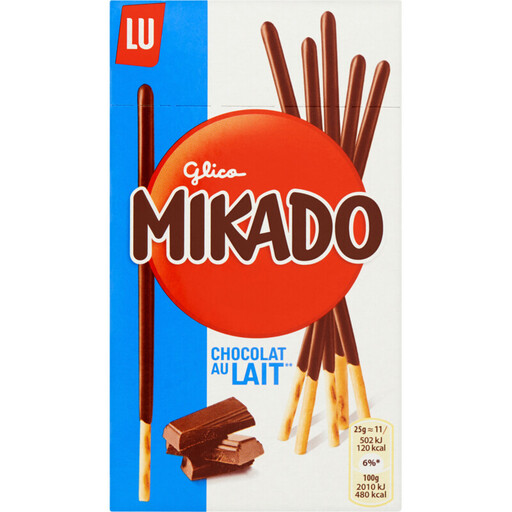
Why this fits: The thin biscuit sticks are ideal for a coffee break, a shared bowl or as a decoration for a dessert.
The product information states 75g and 3 x 11 biscuits. This makes the portion breakdown clearer than with a large, non-resealable bag.
According to the product listing, the coating consists of 49% milk chocolate. The sticks are ready to eat.
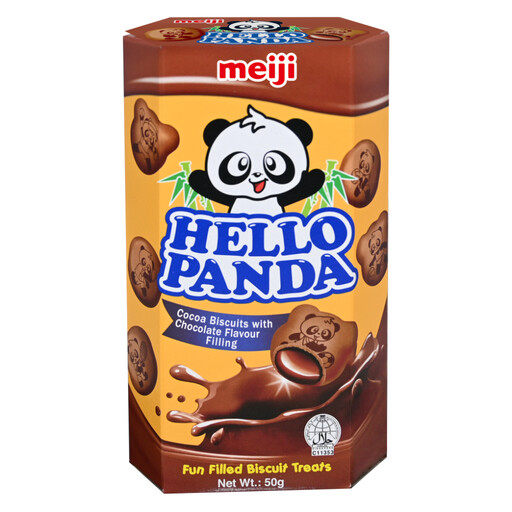
Why this fits: This small packet suits fans of Japanese snacks and moments when you want to take a limited amount with you.
The size stops you from buying a large stock without first trying the flavour and texture.
The product description mentions a chocolate filling and a net weight of 50g. Listed allergens are milk, soya and wheat.
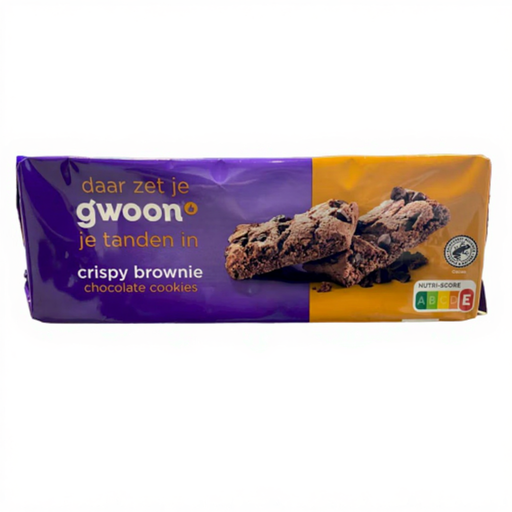
Why this fits: The size is ideal for a shared coffee break, visitors or a cupboard where you want multiple portions on hand.
The net weight of 200g makes comparing on price per 100g easier than with very small snacks.
The product listing mentions a crispy brownie-style chocolate flavour. Per 100g, 510 kcal is stated; check the current label.
Browse a current selection of chocolate biscuits and compare flavour, size, packaging and ingredients before you order.
Crispy biscuits, biscuit sticks and biscuits with a milk chocolate layer usually go well with coffee. If you prefer a sweeter combination, you can choose filled chocolate biscuits or a biscuit with milk cream. Do pay attention to the amount of sugar and fat per 100g when comparing different varieties.
Keep them in a cool, dry place, away from direct sunlight and heat sources. Seal the original packet well or use an airtight tin. This usually keeps the biscuits crisp for longer. Always follow the storage instructions on the packet.
Check the size, packaging and allergen information. Small portion packs are handy for a lunchbox, while a larger bag is better for sharing. Also check for wheat, milk, soya, egg, peanuts and nuts on the label. Product information can change; the actual packet is always the deciding factor.
