
Vandaag of morgen in huis

Kwaliteit gegarandeerd

Welkomstaanbiedingen ontgrendelen: GRATIS bezorging | Tot 80% korting | Gratis 30 dagen JoyPlus-proefperiode
Download de app
Chocolate biscuits might seem simple to pick, but the packaging doesn’t always tell the full story. A large box, for example, could contain small portions, while a product labelled “milk chocolate” might be mostly biscuit and sugar. With international snacks, portion sizes, ingredients and allergen information can also vary from pack to pack.
These checks will help you avoid a bad buy and find chocolate biscuits that suit your household, taste and the occasion.
A family pack looks appealing, but always check the net weight and the number of individual portions. A multipack can be handy for sharing, while a small bag is better for a lunchbox or biscuits on the go. So compare prices per 100 grams, not just per pack.
With chocolate biscuits, the chocolate can be a coating, a filling or an ingredient in the dough. Look at the ingredients list on the label and any percentages given. For example, Lu Mikado consists of thin biscuit sticks with a stated 49% milk chocolate layer. With other biscuits, the flavour might come mainly from cocoa powder or flavouring.
Terms like “creamy”, “rich” or “premium” are taste descriptions, not objective quality measures. So always check the allergens, nutritional values, origin and storage instructions. With international snacks, such as Japanese snacks and Korean snacks, the Dutch information on the product page may be additional; the packaging remains the key source.
For home use, packs of 200 to 400 grams are practical when several people are eating. For on the go, portions of around 30 to 50 grams are easier to carry and share. Individual wrappers also limit contact with air once one portion has been opened.
Also pay attention to the closure. A resealable pack can help keep biscuits crunchy, but always store chocolate biscuits according to the label: cool, dry and out of direct sunlight.
Many chocolate biscuits contain wheat or gluten, milk and soya. Some varieties also contain hazelnuts, other nuts, egg or sulphites. Check the ingredients before buying, especially when you’re buying biscuits for a family, a treat or a shared bowl.
With wafers and biscuit sticks, fillings such as hazelnut cream, milk cream or chocolate coating are common. If you’re looking for a simple composition, compare the ingredients lists of several chocolate biscuits rather than just looking at the brand or packaging.
The nutritional information table makes products easier to compare. In the product data provided, chocolate biscuits range from around 477 to 566 kcal per 100 grams. The sugar content also varies: Lu Mikado states 34 grams of sugar per 100 grams, while the Milka Choco-Biscuit bar states 52 grams.
That doesn’t automatically make a product suitable or unsuitable. It does help you choose a conscious portion. Look particularly at energy, fat, saturated fat, carbohydrates, sugars and salt per 100 grams, as well as the actual portion size.
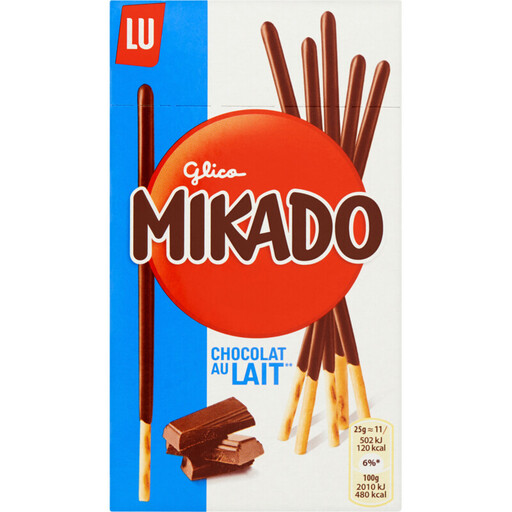
Why this fits the profile: The pack contains 3 x 11 biscuit sticks. This makes the product easy to manage for a first purchase, a coffee break or decorating desserts.
The net weight of 75 grams and the number of sticks are clearly stated. This makes the portion easier to judge than with a large, undivided bag.
Thin, crunchy sticks; according to the product information, 49% milk chocolate is stated. Contains gluten, milk and soya.
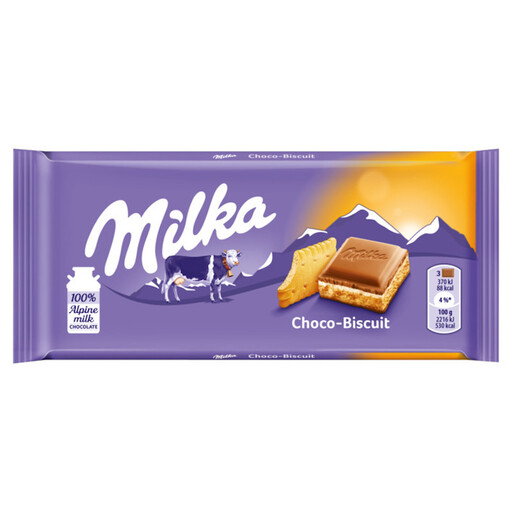
Why this fits the profile: This chocolate bar combines biscuit, milk cream and a milk chocolate layer. The 100-gram size is suitable for sharing or a planned treat moment.
The product information lists the different layers and the ingredients separately. It also states that the packaging is resealable.
Contains biscuit and milk cream; per 100 grams the product information states 531 kcal and 52 grams of sugars. Contains gluten, milk and soya.
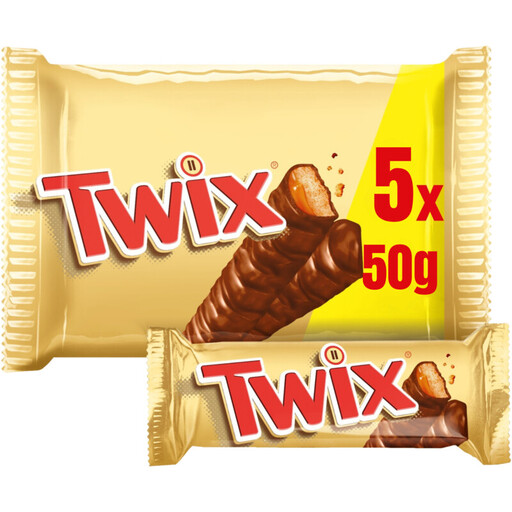
Why this fits the profile: The five individually wrapped bars are practical for a family, store cupboard, treat or biscuits on the go.
Thanks to the individual wrapping, you don’t have to open the whole multipack at once. The net weight and number of bars are clear upfront.
Combination of biscuit, caramel and milk chocolate according to the product description; five individual bars totalling 250 grams.
We’ve put together a full, up-to-date list of products that fully meet these strict selection criteria and current European safety regulations.
For fans of Japanese snacks, Glico Pocky Cookies & Cream and Meiji Chocorooms Strawberry are compact options. Lotte Pepero Choco Cookie Sticks is a Korean snack with crunchy biscuit sticks and a chocolate coating. If you’d rather choose a wafer, take a look at the Sarelle hazelnut wafer or Meito Pukupukutai.
With these products, pay extra attention to the origin, translation of allergen information and portion size. A small size is handy for a lunchbox, while a family pack is better for visitors or a film night.
Individually wrapped bars or small bags of biscuit sticks are practical. They take up little space and you don’t have to open the whole pack. Do check that the packaging seals well and avoid high temperatures, as chocolate can melt.
Store them in a cool, dry place, out of direct sunlight and away from heat and moisture. Seal the pack well after opening. Always check the best-before date and storage advice on the packaging.
First check the allergens and choose a size that suits the eating occasion. Also check the ingredients list and nutritional values per 100 grams. A smaller portion pack can help with clear division, but it doesn’t change the product’s composition.
