
Vandaag of morgen in huis

Kwaliteit gegarandeerd

Welkomstaanbiedingen ontgrendelen: GRATIS bezorging | Tot 80% korting | Gratis 30 dagen JoyPlus-proefperiode
Download de app
Chocolate biscuits might seem simple to pick, but the difference between a crunchy biscuit, a filled snack and a biscuit with real chocolate chips only becomes apparent when you eat them. The packaging also determines whether a product is convenient for home, on the go or in a lunchbox.
If you want to buy chocolate biscuits online, it’s worth looking beyond the product photo or a well-known brand name. Pay particular attention to the following common pitfalls.
A 400g family bag looks appealing for birthdays or a household, but biscuits lose their crunch when the pack is opened frequently. Individual portions or resealable packaging can be more practical in practice. So compare the price per 100g, the number of servings and how the product is packaged.
The terms chocolate, cocoa and chocolate flavour can refer to different ingredients. Check the ingredients list:
A biscuit with a chocolate coating offers a different taste experience than crunchy biscuits with chocolate mixed through the dough.
Pandas, sticks and coloured decorations make biscuits appealing for children and parties. Yet portion size, sugar content and allergens are at least as important. Look at the nutritional information per 100g and, where available, per portion. The information on the packaging is definitive, as recipes and labelling can change.
First, choose the type that suits the occasion:
Also pay attention to the packaging. Small bags of 23g to 46g are practical for an individual snack. A box of 120g to 260g is better for sharing, while a 400g bag can be handy for a household or party.
Many chocolate biscuits contain wheat and gluten. Milk, soya and egg are also commonly used. Some products may contain traces of nuts, peanuts, sesame or other grains.
Do you have an allergy or intolerance? Don’t rely solely on the product title. Read the full allergen information on the current packaging. With international products, such as Japanese snacks, Korean snacks or other Asian snacks, the composition and translation can vary between import batches.
Biscuits are generally intended as a treat and not as a meal replacement. So compare objectively:
A product with added vitamins, minerals or fibre should not automatically be considered a daily dietary choice. Always check the specific nutritional table and avoid conclusions that aren’t on the label.
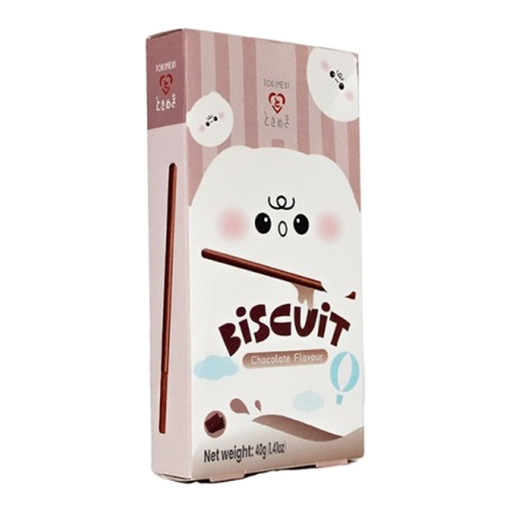
Why this fits the profile: The 40g pack is straightforward and easy to take to work, school or on the go. The slim biscuit sticks offer a simple introduction to Japanese snacks.
The individual size prevents a large bag from staying open for a long time. The nutritional information is also listed per 100g and per 40g portion.
40g pack, crunchy sticks and clear allergen information for wheat, egg and milk.
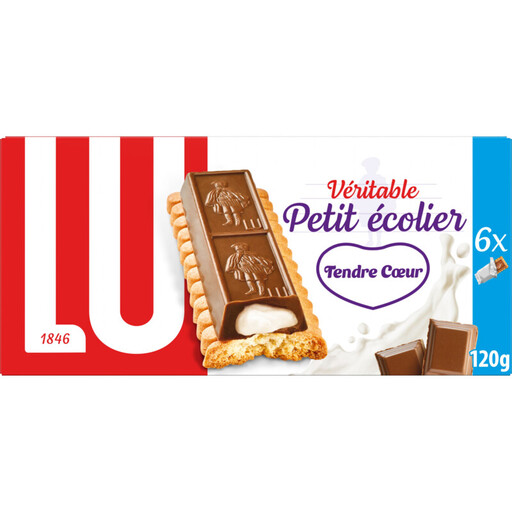
Why this fits the profile: This product combines a crispy biscuit with a milk chocolate tablet and a soft, milky filling. That makes it a great match for a consciously chosen biscuit with coffee or tea.
The product description clearly names the three components: biscuit, milk chocolate and milky filling. So you know exactly what you’re buying, rather than relying on a flavour name alone.
38% milk chocolate according to the product information and individually wrapped biscuits. Contains milk, soya and wheat; also check the warning for possible traces.
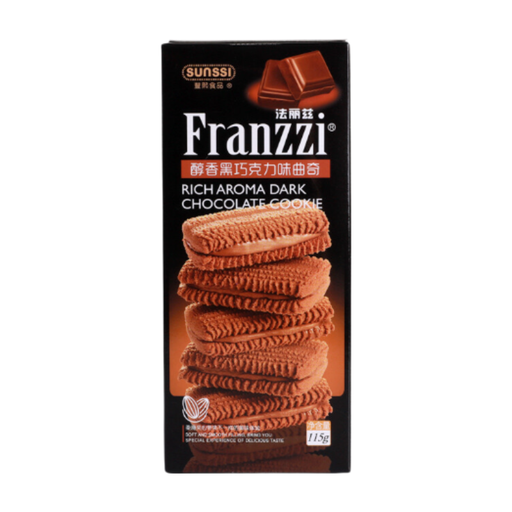
Why this fits the profile: The dark chocolate flavour and individually wrapped biscuits make this a practical choice for multiple snack moments, whether at the office or with afternoon tea.
The portions are individually wrapped, so you don’t have to open the whole bag at once. The ingredients and nutritional information are clearly stated.
115g, individually wrapped and with cocoa, cocoa mass and milk powder according to the product information. Contains wheat, soya and milk.
We’ve put together a full, up-to-date list of products that fully meet these strict selection criteria and comply with current European safety regulations.
Look for a small pack, a clear ingredients list and a shape that’s easy to eat. Tokimeki Panda Cookie Biscuit Chocolate Flavour, 40g, for example, is designed as a playful snack and fits in a lunchbox. The product information lists wheat, milk, egg and soya as allergens. Check the current packaging before serving.
Store biscuits according to the label in a cool, dry place, away from direct sunlight and out of heat and moisture. Seal an opened pack tightly. Individual bags help keep the remaining biscuits crunchier for longer, but always check the best-before information on the packaging.
For a relaxed coffee break, a filled biscuit, a milk chocolate biscuit or a crunchy variety are practical choices. Lu Petit Ecolier combines biscuit with milk chocolate and filling. If you prefer a more pronounced cocoa flavour, look at dark chocolate biscuits. Compare the texture, filling and portion size with your own preference.
