
Parents looking for a daily snack
For an everyday snack, fruit, vegetables and wholegrain foods are a more sensible starting point than chocolate-coated biscuits, according to the Netherlands Nutrition Centre.


Don’t make chocolate-coated biscuits a daily snack for a toddler. The Netherlands Nutrition Centre recommends fruit, vegetables and wholegrain foods for everyday snacks. If you do choose a biscuit now and then, decide how much to give your child first, check the current label for allergens, and ask about the rules at their nursery or school before packing it.
For an everyday snack, fruit, vegetables and wholegrain foods are a more sensible starting point than chocolate-coated biscuits, according to the Netherlands Nutrition Centre.
If a biscuit is an occasional treat, the amount your child actually gets matters. The serving size on the packet may not be suitable for a young child.
Compare the current label with your child’s specific allergy. Even a biscuit labelled gluten-free may contain other allergens; also check the rules at their nursery or school.
If you’re considering chocolate-coated biscuits for a toddler, first decide whether they’re for an everyday snack or an occasional treat. Then check the allergens and the actual portion you’ll give.
| What to consider | What to check before buying | Who should pay particular attention? |
|---|---|---|
| Everyday snack | For an everyday snack, start with fruit, vegetables or wholegrain foods, as the Netherlands Nutrition Centre recommends for toddlers. | I’m looking for something for every day and don’t want a biscuit to become the usual choice. For around 46% of consumers, everyday suitability would be the first thing to consider. |
| Allergens and packing snacks | Read the current ingredient and allergen information, including warnings about possible traces, and check the rules at your child’s nursery or school. | If my child has an allergy or needs a snack for nursery, I need to know whether this particular biscuit is suitable. Around 36% of consumers would prioritise checking allergens and whether the snack can be packed. |
| Portion for a treat | Check the nutrition information per 100 g as well as the amount you’ll actually give; don’t automatically use the stated serving size. | I want to offer a biscuit occasionally, but don’t want to give out more than I intended without realising. For around 18% of consumers, portion size would therefore be the main consideration. |
For everyday snacks for babies and toddlers, the Netherlands Nutrition Centre recommends fruit, vegetables and wholegrain foods first.
Save biscuits for an occasional treat and choose an everyday snack from those food groups instead.
The serving size on a packet isn’t necessarily the amount you’ll want to give a young child. For example, Jumbo lists 92 kcal for an 18.75 g serving of its Chocolate Cookies with Dark Chocolate Chips.
Decide how much biscuit you want to give, then check the nutrition information for that actual amount.
According to the product information at Albert Heijn, the gluten-free Verkade Oaties with milk chocolate contain oats, milk and soya, and may contain nuts.
Read the full allergen information on the current packaging and compare it with the specific allergy.
If your child has an allergy or needs a snack for nursery, your choice should match the biscuit you actually pack and the rules at that setting.
Check the packet label and ask the nursery or school in advance what your child is allowed to bring.
Lotus Speculoos with Chocolate is an example of a chocolate-coated biscuit for an occasional treat.
Gluten-free Oaties Milk Chocolate are worth considering if you’re specifically looking for a biscuit labelled gluten-free with a chocolate coating.
Jumbo Chocolate Cookies with Dark Chocolate Chips offer a useful example for comparing a stated serving size with the amount you want to give your child.
ALDI describes Biscotto chocolate biscuits with dark, white and milk chocolate, packed in pairs.
Lidl presents Sondey as a brand offering a range of biscuits and cookies.
These milk chocolate biscuits are only worth considering if you’re deliberately choosing an occasional treat. Before giving them to your child, compare the actual portion with the current label; choosing a particular product doesn’t make it an everyday snack for a toddler.
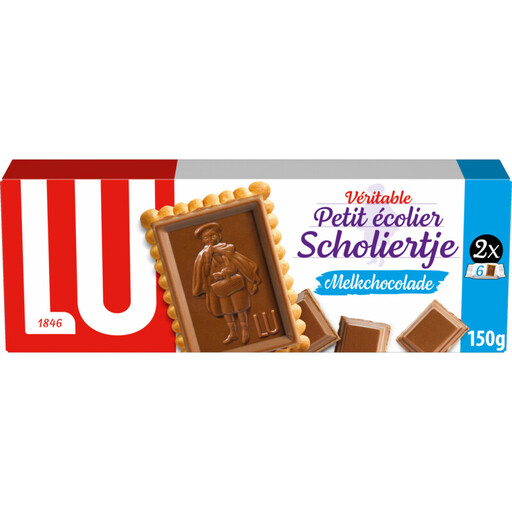 Image unavailable
Worth considering for an occasional biscuit treat when you want to decide the portion yourself.
Milk chocolate biscuits; 150 g pack. Check the current label for nutrition information for the amount you’re giving and any allergens relevant to your child.
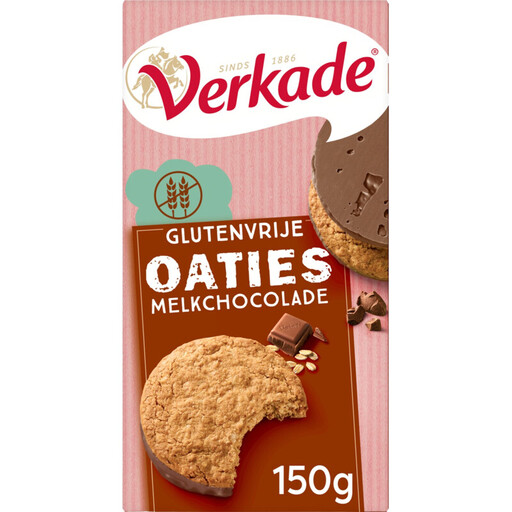 Image unavailable
Worth considering if you’re specifically looking for a biscuit labelled gluten-free with milk chocolate for an occasional treat.
150 g pack. Information for this Oaties variety lists oats, milk and soya, and says it may contain nuts; compare the current label with your child’s specific allergy. Also check the nutrition information for the portion you plan to give.
No, don’t make it a regular everyday snack. The Netherlands Nutrition Centre recommends fruit, vegetables and wholegrain foods for babies and toddlers to eat between meals; save biscuits for an occasional treat instead.
Start with the amount you actually want to give your child, rather than the serving size on the packet. Then read the nutrition information and check whether it refers to one biscuit, a stated serving or 100 g.
Read the current ingredient and allergen information on the packaging, including warnings about possible traces. A biscuit labelled gluten-free isn’t automatically suitable for other allergies: for example, according to Albert Heijn, the Verkade Oaties with milk chocolate covered in this article contain oats, milk and soya, and may contain nuts.
First, ask about the rules at your child’s nursery or school for snacks brought from home and allergens. Also check the label on the biscuit you’re packing; a product description or gluten-free label isn’t a substitute for doing so.