
Parents managing food allergies
Check the ingredients, allergens and any warnings on the packaging before packing a biscuit. Stichting Voedselallergie recommends agreeing arrangements with the school before the start of term.


Before choosing a chocolate biscuit for school, check the school’s rules and, where necessary, the current allergen information on the label. Then compare the nutritional values per 100 g and decide how many biscuits to pack. Digestives, chocolate speculoos biscuits and individually wrapped biscuits differ in taste and packaging, but their name or packaging does not automatically make them suitable for someone with an allergy.
Check the ingredients, allergens and any warnings on the packaging before packing a biscuit. Stichting Voedselallergie recommends agreeing arrangements with the school before the start of term.
Whether you choose a multipack or a pack containing several biscuits, you’ll need to decide how much to pack. Voedingscentrum recommends comparing the nutritional information per 100 g first, then deciding how many biscuits to pack.
Individually wrapped packs can be handy for a school bag. Check how many biscuits each pack contains, though; the packaging doesn’t change the product’s ingredients.
Start by checking what’s allowed at school and whether there are any allergies to consider. Then compare like-for-like biscuits per 100 g, and only after that choose the flavour, packaging and quantity for the occasion.
| What to consider | What to check | Who is this important for? |
|---|---|---|
| Allergens and school arrangements | Read the current label, including any warnings about cross-contamination, and ask what arrangements apply in the classroom. | If my child has a food allergy, I want to know whether they can take this biscuit to school without going against the arrangements in place. This is the top priority for around 36% of consumers. |
| Nutritional values and portion size | Compare fibre, sugars, saturated fat and salt per 100 g; separately decide how many biscuits to pack. | I want to see what different biscuits contain and avoid packing more biscuits than I intend just because the packaging is convenient. This is the main consideration for around 29% of consumers. |
| Convenient packaging | Check whether there are individual packs and how many biscuits each one contains. | When my child takes a snack to school, I want something that fits easily into their school bag. Around 21% of consumers prioritise this convenience. |
| Flavour and type of biscuit | Check whether you’re choosing a digestive, chocolate speculoos or filled biscuit, and read the information for that specific variety. | I’m mainly looking for a familiar type of biscuit for a treat, without skipping the label check. This is the main preference for around 14% of consumers. |
The name doesn’t describe the biscuit’s allergen properties. Jumbo’s Digestive Biscuit Pure Chocolade, for example, contains gluten, milk, soya and wheat.
Check the ingredients and allergens on the packaging you buy. If your child has a food allergy, discuss with the school what arrangements apply to them.
An individual pack can contain several biscuits. For example, Jumbo describes the Liga belVita Plain Chocolade included in its research as packs of four biscuits.
Compare the nutritional information per 100 g, then check how many biscuits you’ll actually be packing.
Ingredients and allergen information can change. Albert Heijn advises customers to read the packaging before using the product, alongside its product information.
Check the current packaging for the latest information before packing the biscuits.
Voedingscentrum recommends that children mainly have snacks from the Schijf van Vijf (the Dutch Wheel of Five).
Consider whether a chocolate biscuit suits the planned snack time, and vary the options with other snacks such as fruit or vegetables.
Verkade makes various chocolate biscuits, including Chocorondjes Melkchocolade.
Lotus Bakeries Nederland describes a chocolate speculoos biscuit sold in seven packs of three biscuits.
Jumbo sells a Digestive Biscuit Pure Chocolade, among other products.
Lidl lists products under Sondey including 125 g packs of Choco biscuits melk.
This selection includes chocolate digestives and other chocolate biscuits for anyone weighing up flavour, portion size and convenient packaging. Before packing them for school, always check the current packaging and the arrangements in place for the class.
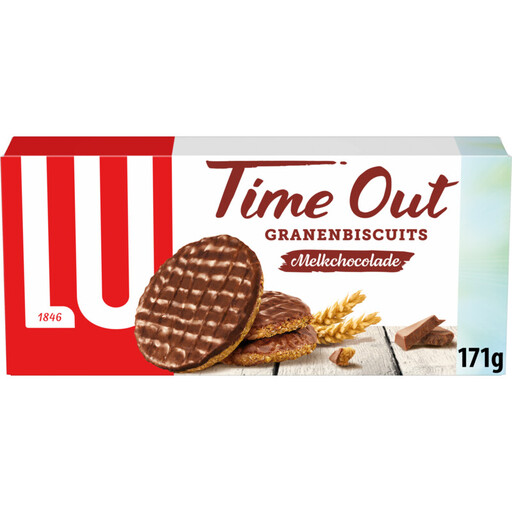 Image unavailable
A chocolate cereal biscuit to consider if convenient packaging for a school bag is important. The pack contains 171 g; check how many biscuits you want to pack each time and read the current allergen information on the label.
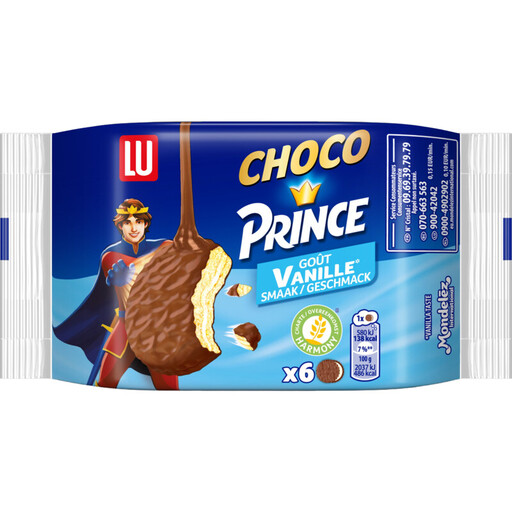 Image unavailable
A biscuit with chocolate and vanilla for anyone who enjoys this flavour combination. The pack contains 171 g; compare the nutritional information per 100 g and check the allergens on the packaging.
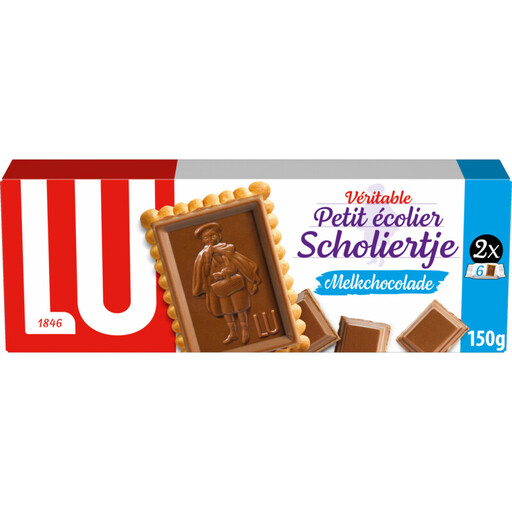 Image unavailable
A milk chocolate biscuit to consider for a school treat. The pack contains 150 g; decide how many to pack, and check the current label and school arrangements beforehand.
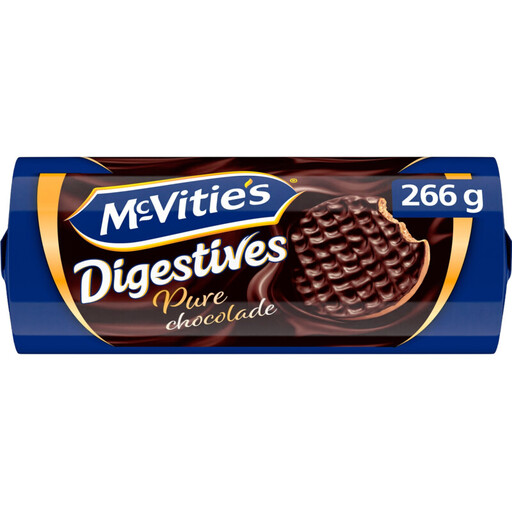 Image unavailable
A dark chocolate digestive for anyone looking specifically for this type of biscuit. The pack contains 266 g; compare the nutritional information per 100 g and decide how many biscuits to pack.
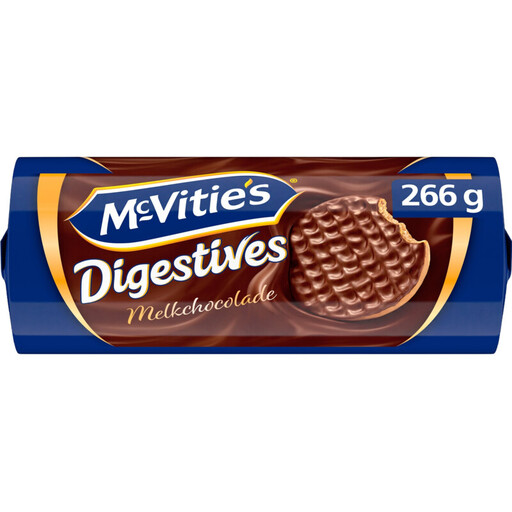 Image unavailable
A milk chocolate digestive for anyone who prefers this variety to dark chocolate. The pack contains 266 g; check the current allergen information before packing and decide on the portion size.
You can’t tell from the product category alone. The examples mentioned here from Jumbo, Lotus and Verkade, among others, contain wheat or gluten-containing cereals; check the current packaging and any cross-contamination warnings for each product.
Compare like-for-like products per 100 g, looking at factors such as fibre, sugars, saturated fat and salt, as Voedingscentrum recommends when comparing labels. Then consider separately how much your child will take and the allergens in both products.
Follow the storage advice on the packaging and, if necessary, pack the biscuits in a sealed container, away from wet foods. Jumbo advises storing its Digestive Biscuit Pure Chocolade in a dark place and resealing the pack securely after opening.
Don’t assume they’re an everyday choice. Voedingscentrum recommends that children mainly have snacks from the Schijf van Vijf (the Dutch Wheel of Five); if you choose chocolate biscuits, think carefully about the occasion and portion size.