
Host of a small coffee morning
You want to put enough biscuits on the table without judging by the size of the bag alone. The quantity, number of biscuits and how you plan to serve them all affect what’s practical.


You don’t need a large bag for a coffee morning. A pack you can open and tip straight onto a plate is ideal for sharing, while individually portioned packs are handy if you want to hand out biscuits or leave some unopened. Compare the net weight with the number of biscuits, consider offering different flavours and check the label of each variety you choose if you have questions about allergens.
You want to put enough biscuits on the table without judging by the size of the bag alone. The quantity, number of biscuits and how you plan to serve them all affect what’s practical.
You’re buying for guests who may need to avoid certain ingredients. Before serving the biscuits, check the ingredients and allergen information on the packaging of every variety you choose.
You don’t want to assume that everyone has the same preferences. Different types of chocolate biscuits can give guests a choice of flavour and texture, as long as you check the label on both varieties.
First, decide how you want to serve the biscuits. Then check that the quantity, ingredients and flavours suit your guests.
When: You’re putting the biscuits on the table shortly after opening the pack, and guests can help themselves from the plate.
Consider: The weight doesn’t always tell you how many biscuits you can serve. Also think about how you’ll store any biscuits left in the opened pack.
When: You want to serve biscuits in individual portions or leave some of the pack unopened. For example, Lotus Bakeries Nederland lists a Biscoff chocolate variety in a pack of 3 × 7.
Consider: Check whether the portions are individually wrapped and whether the total number of biscuits will suit your group. The word ‘multipack’ doesn’t answer both questions by itself.
| What to consider | What to check when buying | Who it matters to |
|---|---|---|
| Quantity and portioning | Compare the net weight with the stated number of biscuits, and check how they’re packaged. | If I want to put something out for everyone, I need to know how many biscuits I can actually serve. Around 31% of consumers put quantity and portioning first. |
| Allergens and ingredients | Read the ingredients and allergen information on the label of the exact variety, including any warnings about possible traces. | If a guest needs to avoid an ingredient, suitability comes before my choice of flavour. For around 31% of consumers, this is their main concern. |
| Flavour and texture | Compare the type of biscuit and the chocolate variety. Check whether the two options are genuinely different. | I don’t want to offer guests with different preferences only one chocolate flavour. Around 23% of consumers put variety first. |
| Leftovers and storage | Check the storage instructions and think about how much you’ll open during the coffee morning. | If there are biscuits left over, I want to know what I can leave unopened and how to store an opened pack. Around 15% of consumers make this their top priority. |
Ingredients vary between varieties. For Verkade Tops, Albert Heijn lists, among other things, cereals containing gluten, egg, milk and soya, as well as possible traces of certain nuts and sesame. For chocolate speculoos, Lotus Bakeries Nederland lists, among other things, wheat, milk and soya.
Before serving, read the label on the exact pack you’ve bought. If you’re unsure whether it’s suitable, don’t judge by the product type alone.
The weight of a pack doesn’t tell you how many biscuits or portions it contains. This matters most if you want to set something aside for every guest in advance.
Check the number of biscuits where it’s stated, and decide how many different varieties you’ll put out at once.
Ingredients and allergen information can vary between varieties or change over time. Information about another biscuit from the same brand is no substitute for checking the label on your pack.
Use the product name to explore your options, but check the current packaging again before serving the biscuits.
These examples show different types of biscuits and packaging. Always check the variety you choose.
Verkade’s biscuit range includes, among other things, Tops, Chocorondjes and Chocolate Chip varieties.
Lotus Bakeries Nederland lists different pack sizes of regular Biscoff speculoos, as well as a separate chocolate speculoos variety.
The chocolate biscuit category includes different types and pack weights.
Jumbo lists, among other things, Chocolate Cookies with dark chocolate pieces in a 225 g pack and Chocolettes Melk in a 300 g pack.
ALDI Nederland describes Biscotto Chocolate Biscuits as a 250 g pack containing 20 butter biscuits with different types of chocolate.
These products include chocolate biscuits to put on the table, as well as smaller chocolate treats to serve alongside them. Bear in mind that a chocolate wafer or pistachio treat isn’t the same as a chocolate biscuit, and a stated number of pieces alone doesn’t tell you how they’re packaged.
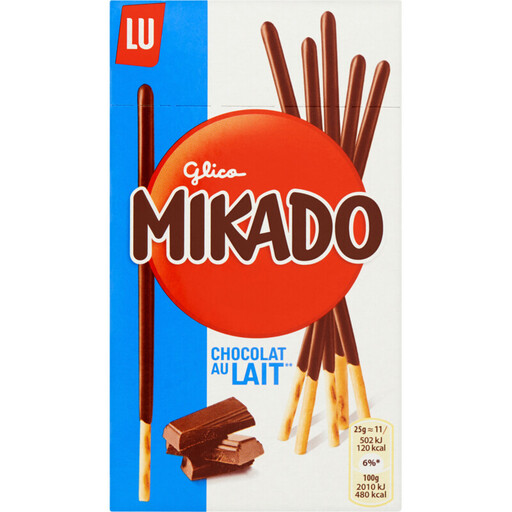 Image unavailable
A milk chocolate biscuit stick is a different shape to put on the table alongside regular biscuits. The pack states 75 g; check the number of sticks and how they’re packaged if you want to hand them out individually.
Before serving, check the current allergen information on the packaging.
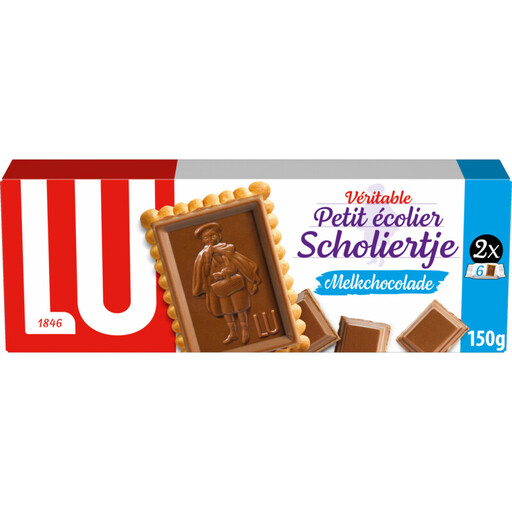 Image unavailable
A milk chocolate biscuit for anyone who wants to serve a familiar treat with coffee. The pack states 150 g; check the number of biscuits and how they’re portioned if you want to work out in advance how many guests can have one.
If you have questions about allergies, read the label on the pack you’ve chosen.
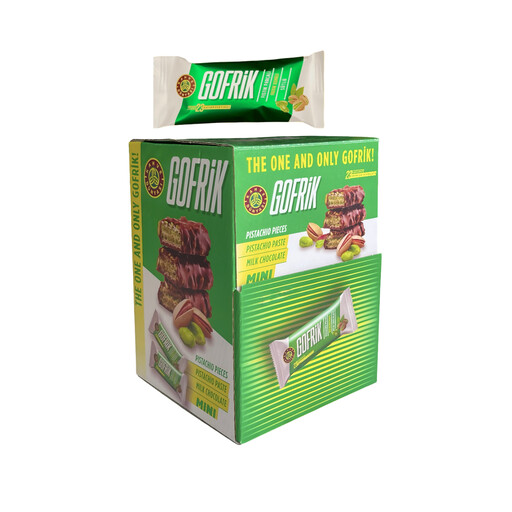 Image unavailable
A pistachio chocolate treat for anyone who wants to offer a different flavour alongside chocolate biscuits. The product name states 10 × 12,5 g; check how the pieces are packaged if you want to hand them out individually.
Don’t choose this for a guest who needs to avoid pistachios, and check the current label for other allergens too.
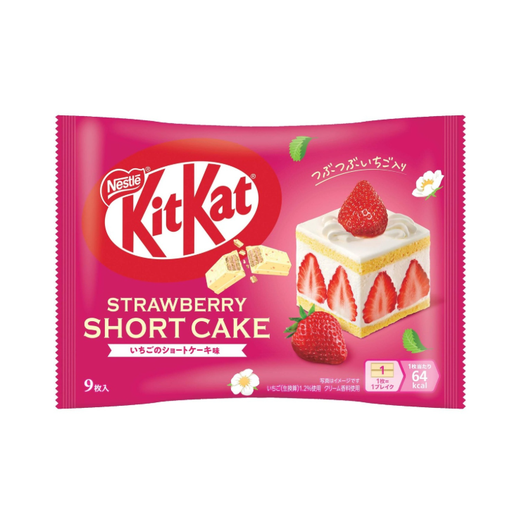 Image unavailable
A strawberry variety to serve alongside chocolate biscuits, rather than as a substitute for the same type of biscuit. The product name states 9 pieces and 104,4 g; check how they’re packaged if you want to hand them out individually.
Check the ingredients and allergens on the current packaging.
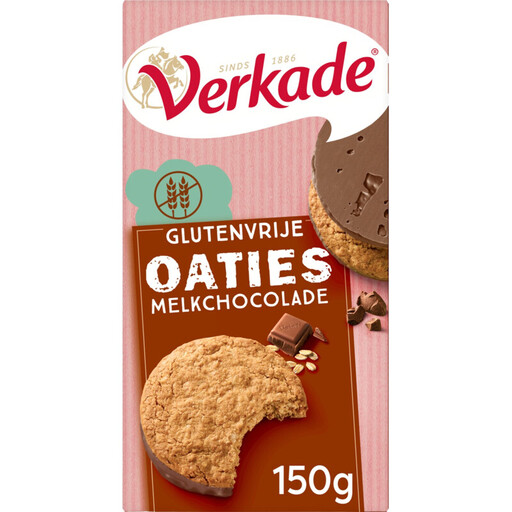 Image unavailable
A milk chocolate Oaties variety for when you want to offer different types of biscuit. The pack states 150 g; check the number of biscuits if the quantity per guest matters.
If you have dietary or allergy questions, don’t rely on the abbreviation in the product name. Read the ingredients and statements on the current label.
No. Choose a pack based on the number of guests and how you want to serve the biscuits. Smaller packs can work well if you’re putting out different varieties; a multipack is worth considering if you want to offer individual pieces.
Check the ingredients and allergen information for every exact variety you’re serving. For Verkade Tops, Albert Heijn lists, among other things, cereals containing gluten, egg, milk and soya, and warns of possible traces of certain nuts and sesame. This doesn’t tell you for certain what’s in other chocolate biscuits.
No, not if a guest needs to avoid that allergen. Read the warning on the pack you’re serving and ask the guest which products are suitable for them. Don’t assume a product is suitable based on its flavour or name.
Follow the storage instructions on the packaging and reseal an opened pack as directed. If you expect not to use everything, see whether you can leave some of it unopened.