What should you look for when choosing?
First, decide whether you want an individual biscuit to have with coffee, a cereal biscuit for a separate snack break or a selection of biscuits to share. Then compare the information on the packaging of products that suit the occasion.
| What to consider | What to look for | Who it matters to |
|---|
| Type of biscuit and chocolate |
Check whether it has a chocolate coating, chocolate filling or simply a chocolate flavour. See whether it specifies milk or dark chocolate. |
If I want to serve an individual biscuit during a quick coffee break, I’ll first choose a shape and chocolate flavour that appeal to me. Around 31% of consumers prioritise this choice for their coffee break. |
| Nutritional information and allergens |
Compare sugars and saturated fat on the same basis, for example per 100 g. If you have an allergy, also check the current ingredients and ‘may contain’ information. |
If ingredients or allergens determine my choice, I don’t want to rely on the product name alone. Around 31% of consumers prioritise checking the label. |
| Sharing and packaging |
Check the number of biscuits, the net weight and whether the pack contains one type of chocolate biscuit or an assortment. |
When I’m having guests, I want to know whether there are enough biscuits and whether I can offer different flavours. This is the main consideration for around 23% of consumers. |
| Storage and convenience |
Read the storage instructions and check whether the biscuits are individually wrapped, in small packs or all together. |
If it takes a while to get through a pack, I want to be able to store the rest properly or use smaller packs. This matters most to around 15% of consumers. |
Chocolate biscuits on Joybuy
These products offer different options for your coffee break: individual milk chocolate biscuits, a cereal biscuit and biscuit sticks. The product type alone won’t tell you which one you’ll like best, so compare the packaging and current label too.
 No image available
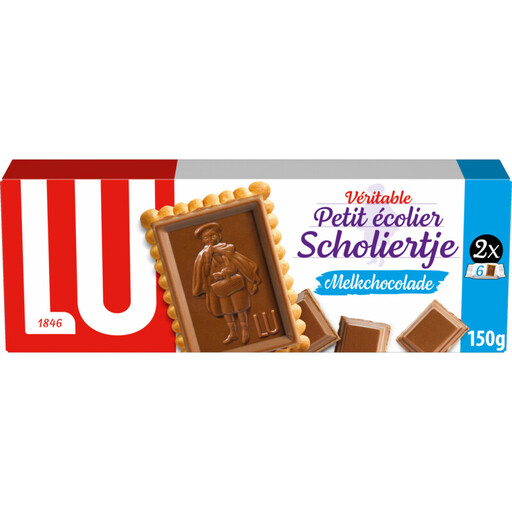
LU Scholiertje Milk Chocolate Biscuits, 150 g
A good option if you want to serve an individual milk chocolate biscuit with coffee.
Pack weight: 150 g. Check the current ingredients, allergens and nutritional information on the packaging.
View on Joybuy
 No image available
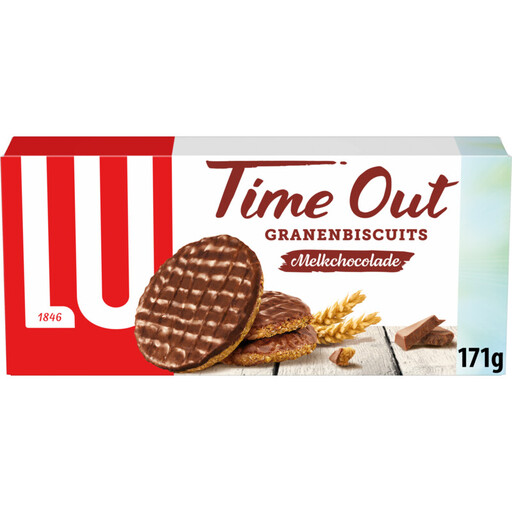
LU Time Out Cereal Biscuit Chocolate, 171 g
A chocolate cereal biscuit for anyone who prefers this type of product to a classic individual biscuit with coffee.
Pack weight: 171 g. Check the packaging for serving sizes and the current allergen declaration.
View on Joybuy
 No image available
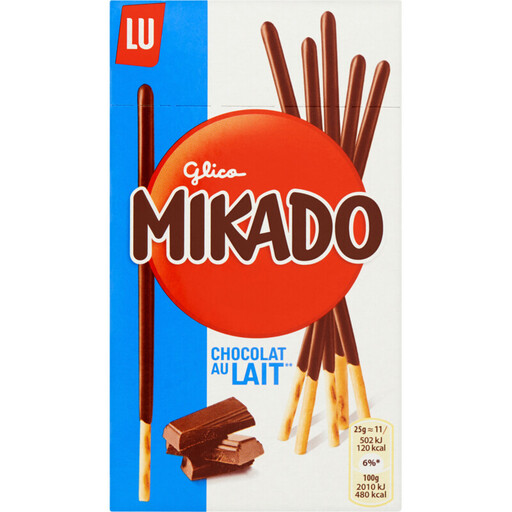
LU Mikado Milk Chocolate Biscuit Sticks, 75 g
For anyone who wants to serve milk chocolate biscuit sticks instead of individual round or rectangular biscuits.
Pack weight: 75 g. Bear the different product shape in mind when choosing, and check the current label.
View on Joybuy
 No image available
Glico Pocky Cookie Bar Chocolate Flavor IN, 47 g
A small pack with a chocolate flavour for anyone considering biscuit sticks as an alternative to an individual biscuit with coffee.
Pack weight: 47 g. Check the label to see how the chocolate is used and which allergens are listed.
View on Joybuy
 No image available
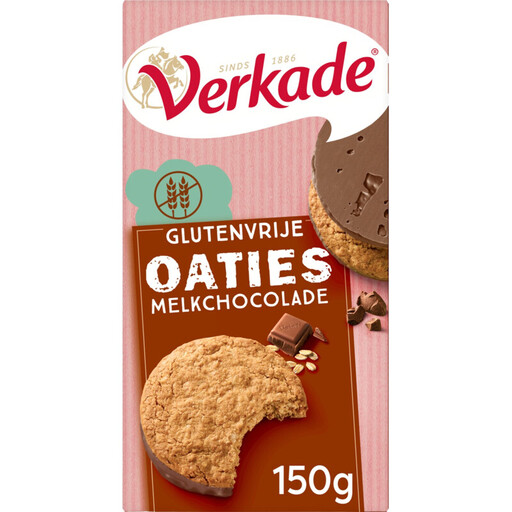
Verkade Gv Oaties Milk Chocolate, 150 g
For anyone who wants to compare the milk chocolate Oaties variant with a classic biscuit or cereal biscuit.
Pack weight: 150 g. If you’re choosing based on ingredients or allergens, check the current packaging rather than relying on the variant name alone.
View on Joybuy
Frequently asked questions
Should I check the label for allergens on packaged chocolate biscuits?
Yes, especially if allergens matter to your choice. According to the Netherlands Food and Consumer Product Safety Authority, allergen information must appear on the label of prepacked foods. The allergens present, or that may be present, vary from product to product. Always check the current packaging, even if you’ve bought the biscuit before.
Does dark chocolate tell me anything about a biscuit’s nutritional value?
No. ‘Dark’ on its own doesn’t tell you how much sugar, fat or fibre the whole biscuit contains. Compare products using the nutritional information per 100 g, then check the serving size you plan to eat. The Netherlands Nutrition Centre also recommends checking the ingredients on the back of the pack.
Should I choose a large pack or an assortment for guests?
An assortment is handy if you want to offer different types of chocolate, while a pack containing one type makes it clear what everyone will get. For both options, check the number of biscuits, the net weight and how many you’re likely to use before an opened pack is left sitting around for too long.
How should I store chocolate biscuits after opening?
Follow the storage advice for the product you choose. Jumbo recommends storing its milk chocolate biscuits in a sealed biscuit tin after opening. LU Time Out advises keeping its biscuits away from heat and sunlight, as these can cause a white coating to appear on the chocolate.
What if the ingredients listed online differ from those on my pack?
When making a decision about ingredients or allergens, use the current packaging of the product you have. Albert Heijn notes that ingredients, nutritional values and allergy information may change when products are updated.


