
If you're setting up a coffee table
You want biscuits that guests can easily help themselves to from a plate. The number of biscuits and how they’re packed can help you work out how many packs you’ll need.


When serving coffee to guests, start by choosing the right format: biscuits to arrange on a plate, or sticks that guests can help themselves to. Then compare the flavour, the number of biscuits per pack and the label. The options mentioned here vary in their biscuit base and chocolate, while several contain wheat, milk and soya.
You want biscuits that guests can easily help themselves to from a plate. The number of biscuits and how they’re packed can help you work out how many packs you’ll need.
You’d rather choose between a milk chocolate biscuit, chocolate-coated speculoos or a thin biscuit stick than rely on the general description ‘chocolate biscuit’.
If someone has an allergy or other dietary requirement, check the ingredients, allergens and any ‘may contain’ warnings on each pack. Another product from the same brand may have a different recipe.
| What to consider | What to check before buying | Who it matters most to |
|---|---|---|
| Serving format | Check the number of biscuits and whether you’ll be serving individual biscuits, smaller portions or sticks. | If I’m putting together a plate for several guests, I want everyone to be able to help themselves easily. Around 33% of consumers put this serving format first. |
| Flavour and biscuit base | Compare the type of biscuit, any filling and the type of chocolate listed on the pack. | If you prefer spiced speculoos with your coffee to a classic biscuit, you’ll want to be able to tell the difference before choosing. For around 27% of consumers, flavour is the main consideration. |
| Quantity per pack | Check the number of biscuits and the net weight; the same weight doesn’t necessarily mean the same number of biscuits. | If I’m having a larger group over for coffee, I want to check in advance that there’ll be enough biscuits. Around 20% of consumers put quantity first. |
| Allergens and ingredients | Check the ingredients, allergen information and any ‘may contain’ warnings on the pack you’re buying. | If a guest needs to avoid certain ingredients, I want to check which products are suitable first. Around 20% of consumers give checking the label top priority. |
A filled biscuit, chocolate-coated speculoos and a biscuit stick differ in their base, flavour and size. Verkade, for example, describes Chocorondjes as filled with milk cream, while Lotus Bakeries describes a chocolate version of speculoos.
Decide whether you’re looking for biscuits to serve on a plate, a distinctive speculoos flavour or small sticks. Then compare the ingredients of the options you’re considering.
Ingredients and warnings can vary between products. Information on the front of a pack doesn’t replace the full allergen information.
Read the label on every pack you’re actually buying, even if you’ve served another product from the same brand before.
Albert Heijn’s product page for AH sugared milk chocolate biscuits says that this particular product is no longer in its range. Lidl says that one Sondey product is only available in store.
Check what’s currently available at the shop you plan to visit shortly before you go, and have a similar-sized alternative in mind.
Worth considering if you’re looking for a chocolate-covered filled biscuit to serve with coffee.
Worth comparing if you’d prefer chocolate-coated speculoos to a biscuit with a milder flavour.
Worth considering if you want to compare thin biscuit sticks with larger biscuits for your coffee table.
An option to compare if you want to browse different types of chocolate biscuits at one retailer.
Worth considering when comparing chocolate biscuits from Lidl’s own brand by size and ingredients.
Two different product ranges to explore if the number of biscuits or a filled variety matters to you.
A retailer’s range to explore when comparing current chocolate biscuit varieties and their labels.
These products offer a range of formats to enjoy with coffee: chocolate biscuits, biscuit sticks and a chocolate wafer. Choose according to the type of biscuit you want to serve. If anyone has dietary requirements, always check the packaging of the product you choose.
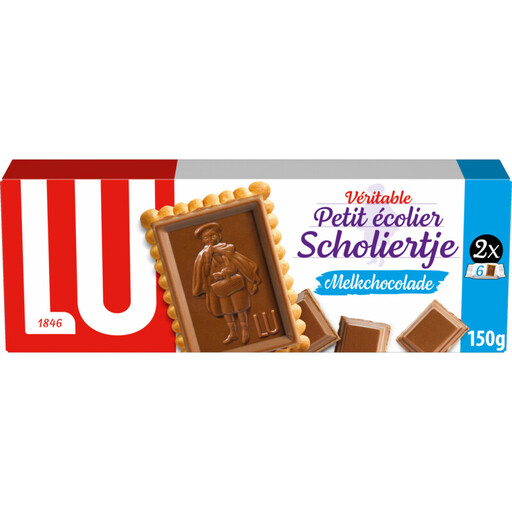 No image available
A milk chocolate biscuit to serve with coffee. Check the pack to see how it’s portioned if you want to divide the biscuits up in advance.
According to the product information, this variety contains milk, wheat and soya, and may contain nuts. Check the latest label.
 No image available
The stick format works well for a coffee table where guests would rather pick up smaller biscuits. Compare it with a regular biscuit if you want to serve each guest one larger biscuit.
The product information lists wheat, milk and soya, and possible traces of egg and nuts. Check the packaging.
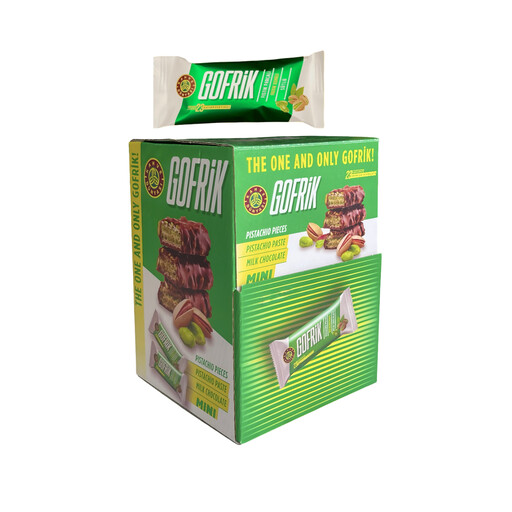 No image available
Worth considering if you’d like to offer pistachio-flavoured portions with coffee. The pack contains ten 12,5 g portions.
Check the latest ingredients and allergen information on the pack, especially before serving this to guests with an allergy.
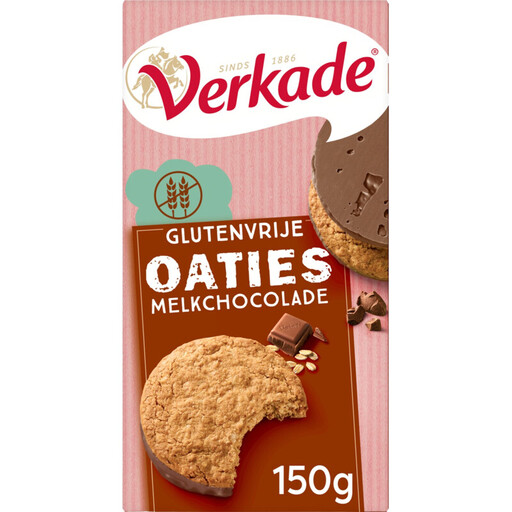 No image available
An oat biscuit with milk chocolate to consider if a guest specifically asks for a product labelled gluten-free. The Joybuy product description labels this variety gluten-free; check that claim on the current packaging.
The product information also lists milk, oats and soya, and possible traces of nuts. Gluten-free doesn’t mean that this biscuit is suitable for every guest with dietary requirements.
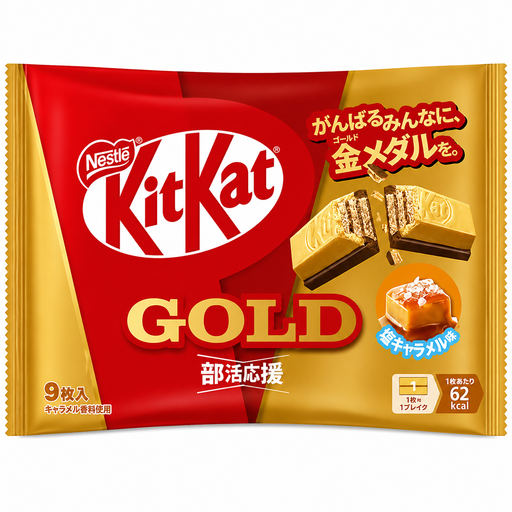 No image available
A chocolate wafer rather than a biscuit, for anyone who’d like to offer a different texture and a salted caramel flavour with coffee. The pack contains nine pieces.
The product information lists wheat, milk and soya, and states that the product is made using shared equipment with products containing egg, almonds and sesame. Check the packaging before serving it to guests with an allergy.
Start with the number of guests and how many biscuits you want to serve each person, then check the number of biscuits in each pack. ALDI, for example, lists 20 biscuits for one Biscotto variety, while Jumbo lists 3 × 11 sticks for LU Mikado. Comparing weight alone won’t tell you how many biscuits are in a pack.
You can’t tell from the type of product alone: the Lotus Speculoos, LU Mikado and Verkade Chocorondjes varieties described here contain wheat. If you’re looking for a product labelled gluten-free, check the current packaging and also make sure all other ingredients and allergens are suitable for your guest.
Read the allergen information on the pack you’re buying. The Netherlands Food and Consumer Product Safety Authority says that labelling rules apply to 14 allergens. Also check for any ‘may contain’ warnings if they’re relevant to your guest.
Use the current packaging for your final check, as online product information can change. Albert Heijn also advises customers to read the packaging. This is especially important if a guest needs to avoid certain ingredients.
Follow the storage instructions for the product you’ve bought and seal any opened pack tightly. The product information for LU Mikado and Verkade recommends storing them in a dry, preferably cool place, so keep them away from heat and moisture when getting everything ready.