
At-home snackers looking for a larger pack
If you’re serving biscuits with coffee or tea, or to guests at home, check the pack size and number of biscuits. This will help you decide whether the pack suits the way you plan to serve them.


Choose a plain biscuit with a chocolate coating if you’re looking for biscuits to enjoy at home, a pack of individually wrapped portions if you want to take them with you, or a filled option if you’re after a combination of biscuit, chocolate and filling. Compare the nutritional values per 100 g and check the ingredients and allergens for the exact variety; the flavour name alone won’t tell you what’s in the biscuit.
If you’re serving biscuits with coffee or tea, or to guests at home, check the pack size and number of biscuits. This will help you decide whether the pack suits the way you plan to serve them.
For journeys, work or a lunchbox, it’s worth checking for individually wrapped portions. Check the pack to see how many biscuits are in each portion; a mention of several biscuits doesn’t necessarily mean they’re individually wrapped.
If ingredients, allergens or nutritional values are key to your choice, compare the exact varieties. The Netherlands Nutrition Centre recommends comparing nutritional values per 100 g; also read the ingredients and allergen information on the pack.
First decide whether you’re looking for a plain biscuit with a chocolate coating, a portion to take with you or a filled biscuit. Then compare the labels of products that suit the same occasion.
| What to consider | What to check | Who it matters most to |
|---|---|---|
| Ingredients and allergens | For the exact variety, read the ingredients list, allergen information and, if provided, any warning about possible cross-contamination. | If I need to avoid an ingredient, I want to know first whether I can eat this biscuit. This is the top priority for around 25% of consumers. |
| Nutritional values | Compare sugars, saturated fat and fibre per 100 g; use the portion information too to see how it fits your own snacking occasion. | If you’re choosing between biscuits with different labels, you’ll want to compare their nutritional values on the same basis. Around 25% of consumers give this comparison top priority. |
| Packaging and occasion | Check how many biscuits are packed together and what the storage instructions say once the pack is open. | When I’m out and about, I want to take a portion with me without opening the whole pack; convenience matters most to around 25% of consumers. |
| Chocolate coating or filling | Check whether it’s a biscuit with a chocolate coating or one with an extra filling, and compare the net weight and number of biscuits. | If I fancy a filled biscuit, a thin chocolate coating won’t satisfy the same craving. This product format is the most important distinction for around 25% of consumers. |
The Lotus Biscoff variety with dark chocolate and the Jumbo Digestive Biscuit Pure Chocolade described by Jumbo also list milk, wheat or gluten, and soya. The type of chocolate therefore doesn’t tell you which allergens are in the whole biscuit.
When buying, check the allergen information for the exact variety, including any warning about possible cross-contamination.
A portion in one pack may contain a different number of biscuits from a portion in another. According to the Netherlands Nutrition Centre, comparing values per 100 g makes differences in portion size less significant.
Use the values per 100 g to compare products, then check the stated portion size to see what suits your own snacking occasion.
A product may be sold through a different shopping channel from the one you expect. For example, Lidl Netherlands lists Sondey Chocobiscuits as available in store only.
Before you shop, check that the product listing, your store and the variety you want all match.
Speculoos biscuits with a chocolate coating, for anyone looking for a different biscuit base from a standard tea biscuit. Jumbo described varieties with milk and dark chocolate in packs containing portions of several biscuits.
Albert Heijn’s own-brand range includes sugar-topped biscuits with a milk or dark chocolate coating. Albert Heijn describes both varieties as having a 27% chocolate coating.
Jumbo’s own-brand range includes Digestive Biscuit Pure Chocolade. Jumbo states that this variety has a coating of 30% dark chocolate.
ALDI describes Biscotto butter biscuits with dark, white and milk chocolate in one pack of 20.
Lidl Netherlands lists Sondey Chocobiscuits as a 250 g product available in store only.
These products show a range of formats: biscuit sticks, plain biscuits with milk chocolate, digestives with milk or dark chocolate, and a filled option. First choose the format that suits your occasion, then compare the exact packs.
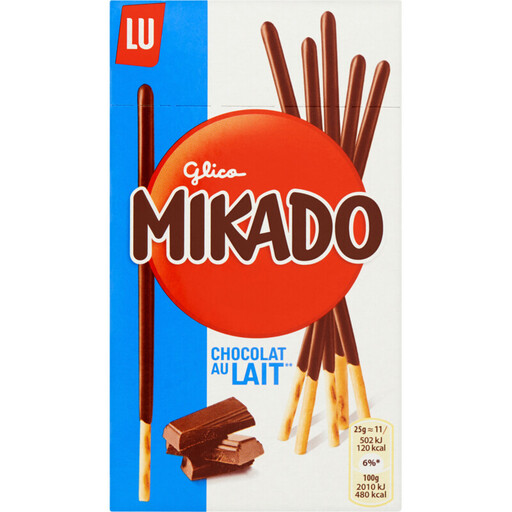 No image available
A biscuit stick for anyone looking for something different from a round biscuit to enjoy with coffee or tea.
75 g pack. If you want to take individual portions with you, check the allergens on the pack and how many sticks are wrapped together.
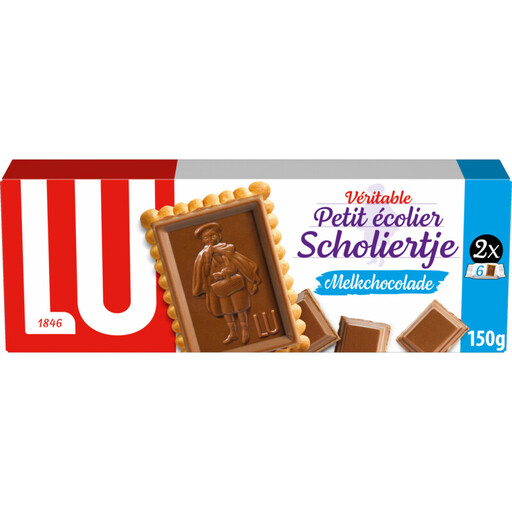 No image available
A milk chocolate biscuit to consider if you want to share or take biscuits with you.
150 g pack. Check the pack to see how many biscuits are in each portion and read the latest allergen information.
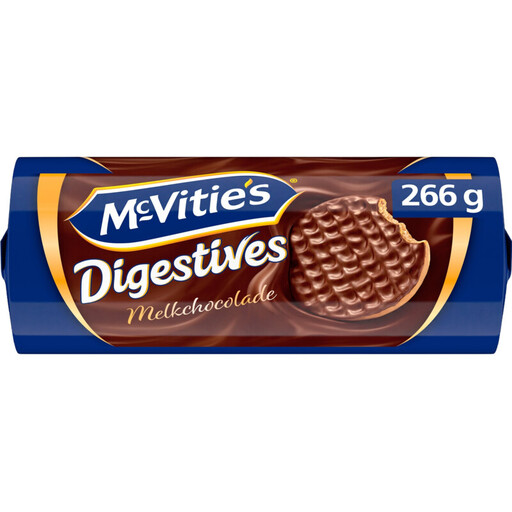 No image available
A milk chocolate digestive for anyone who wants to serve or share this type of biscuit at home.
266 g pack. When choosing between digestives, compare the nutritional values per 100 g and check the allergens for this variety.
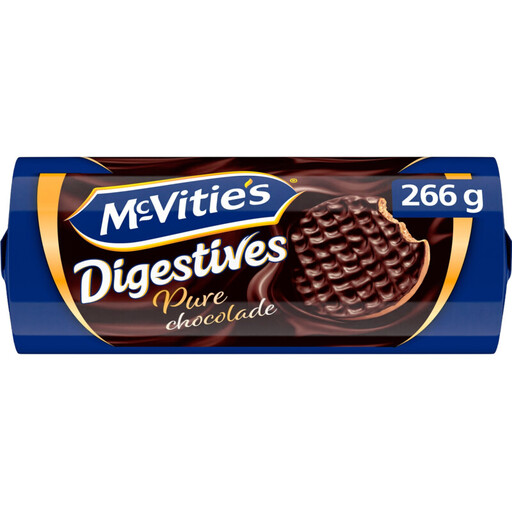 No image available
A digestive for anyone specifically looking for a variety with dark chocolate.
266 g pack. Check the nutritional values and allergens for this variety separately; the word ‘dark’ doesn’t give you the full picture.
 No image available
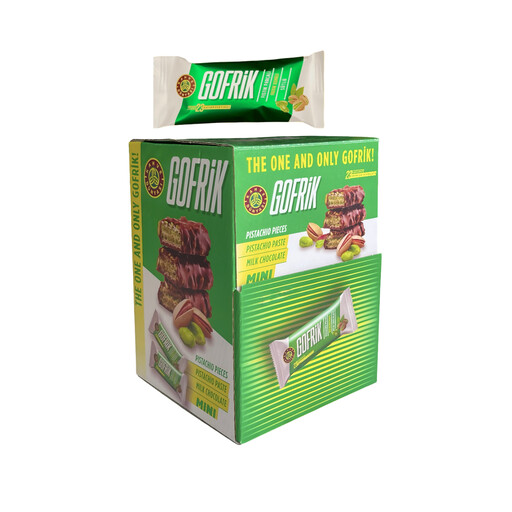
A filled chocolate biscuit for anyone looking for pistachio filling as well as biscuit and milk chocolate.
10 x 12,5 g pack. Before buying, check the full ingredients list, allergens and nutritional values on the current packaging.
Compare the nutritional values per 100 g, then check the net weight and number of biscuits separately. The Netherlands Nutrition Centre recommends comparing values per 100 g because portion sizes can vary between products; also make sure you’re comparing similar types of biscuits.
The type of chocolate alone isn’t enough to assess the nutritional values. Jumbo states that its Digestive Biscuit Pure Chocolade contains 27,4 g of sugars and 12,9 g of saturated fat per 100 g; Albert Heijn states that its sugar-topped biscuit with milk chocolate contains 35 g of sugars and 9,2 g of saturated fat per 100 g. They’re also different types of biscuit, so compare the full labels.
No, check the allergen information for the exact biscuit. The dark chocolate digestive and Lotus Biscoff variety described by Jumbo also list milk, wheat or gluten, and soya; if necessary, read the warning about possible cross-contamination too.
Follow the storage instructions on the pack and seal it again as directed once opened. The product examples described include storing biscuits in a cool, dark, dry place or keeping them in a sealed tin; check which advice applies to your variety.