
Weekend breakfast fans who fancy a treat
A chocolate-coated biscuit is a good fit if you’re after a little treat alongside bread, yoghurt or fruit, for example, rather than replacing breakfast with biscuits.


Choose a chocolate-coated biscuit if you fancy something crunchy alongside your usual weekend breakfast. If the biscuit is going to make up a larger part of your breakfast, compare the cereal content, fibre and portion size too. A cereal biscuit with chocolate chips is not the same product as a chocolate-coated biscuit. The Netherlands Nutrition Centre lists options such as wholemeal bread and yoghurt with wholegrain cereal and fruit as breakfast examples. So consider a biscuit in the context of what else you eat, and always check the current packaging if you have an allergy.
A chocolate-coated biscuit is a good fit if you’re after a little treat alongside bread, yoghurt or fruit, for example, rather than replacing breakfast with biscuits.
If the biscuit is going to make up a larger part of your breakfast, the cereal content, fibre and portion size are more relevant points to compare. A biscuit with chocolate chips also offers a different eating experience from one with a full chocolate coating.
If you have a specific dietary requirement, the information on the packaging of the exact product matters. Don’t rely on the product name or a gluten-free label alone: check the ingredients and allergen information too.
First decide whether the biscuit is a treat to enjoy alongside breakfast or will make up a larger part of it. Then compare products of the same type, and check the portion size and ingredients on the packaging.
| What to consider | What to check when buying | Who it matters to |
|---|---|---|
| Chocolate coating and its role at breakfast | Check whether it’s a coated biscuit or one with chocolate chips, and how many biscuits you plan to have as a portion. | For a relaxed weekend breakfast, I want a clearly defined chocolate coating as a treat alongside my usual breakfast. This would be the main consideration for around 50% of consumers. |
| Cereal, fibre and portion size | Compare the ingredients and nutritional information per 100 g, then consider the portion you’ll actually have. | If you’re having the biscuit as a larger part of breakfast, you’ll want to know how the cereal, fibre and sugars relate to your portion. Around 30% of consumers would weigh this up first. |
| Ingredients and allergens | Read the ingredients list and allergen information on the current packaging, including any warnings about traces. | If I need to take an allergy or specific dietary requirement into account, I want to check whether this exact product is suitable. This would be the first thing to consider for an estimated 20% of consumers. |
Cereal and fibre are useful points of comparison, but a biscuit won’t automatically give you the variety of a breakfast that includes wholegrain foods, fruit and yoghurt, for example. The Netherlands Nutrition Centre lists these as breakfast options.
Decide what role the biscuit will play. If it’s making up more of your breakfast, compare the nutritional information and portion size too, and think about what else you’re eating.
The type of chocolate won’t tell you how much sugar or fibre a biscuit contains. A gluten-free label on its own also says nothing about the other ingredients or potential allergens.
Compare nutritional information on the same basis, and if you have an allergy, read the full ingredients list and allergen information on the packaging.
A cereal or oat biscuit with chocolate chips is a different type of product from a biscuit coated in chocolate. So choosing based on the word ‘chocolate’ alone may not give you what you expect.
Check the product description and decide which type you’re looking for first. Then compare the ingredients, nutritional information and portion size.
The ingredients and nutritional information that matter to your choice are those on the packaging of the product you actually buy. The Netherlands Food and Consumer Product Safety Authority stresses the importance of clear information on labels for prepacked foods.
Use a product page to narrow down your options, then check the current label before buying, especially if allergens are a deciding factor.
An example of a classic biscuit with a generous chocolate coating.
An own-brand example of sugar-coated biscuits with a dark chocolate coating.
Two different chocolate biscuit options that shouldn’t be compared as if they were the same type of product.
An example for anyone looking for a compact pack of milk chocolate biscuits.
A cereal biscuit with chocolate chips for anyone who’s mainly considering the biscuit’s role at breakfast.
These products offer a chocolatey option to enjoy alongside weekend breakfast, from biscuits and sticks to a pistachio variety. If you’re specifically looking for a chocolate-coated biscuit, pay particular attention to the product format of the pistachio option.
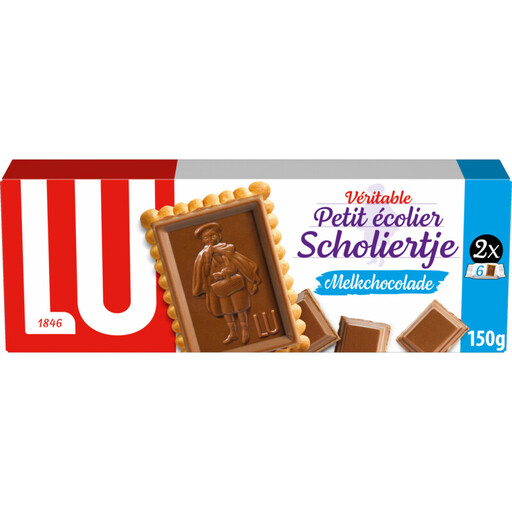 Image unavailable
For anyone looking for a milk chocolate biscuit as a treat alongside breakfast.
150 g pack. Check the current ingredients and allergen information if it matters to your choice.
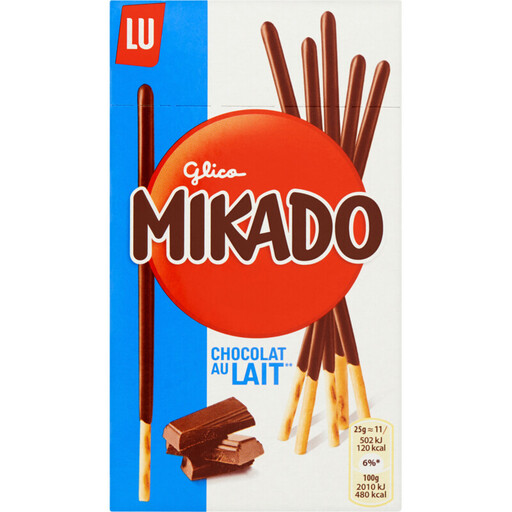 Image unavailable
For anyone who’d prefer biscuit sticks to flat biscuits with their weekend breakfast.
75 g pack. If you’re choosing them for someone with an allergy, read the allergen information on the current packaging first.
 Image unavailable
For anyone looking for a small chocolate-flavoured treat in stick form, rather than a traditional breakfast or chocolate biscuit.
47 g pack. Check the product description and label if the exact chocolate coating or ingredients will affect your choice.
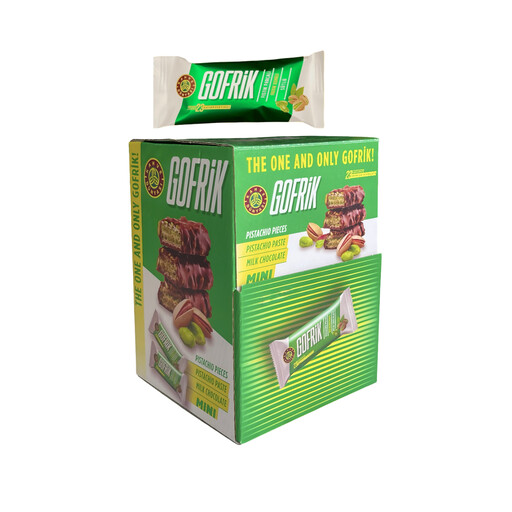 Image unavailable
For anyone considering a pistachio option with milk chocolate and wanting to check whether its format suits the breakfast treat they have in mind.
Pack of 10 × 12.5 g. Check the ingredients, nutritional information and allergens on the current packaging, especially if pistachio or other allergens matter to your choice.
If you want a varied breakfast, it’s best to enjoy a chocolate-coated biscuit as an addition. The Netherlands Nutrition Centre suggests options such as wholemeal bread or yoghurt with wholegrain cereal and fruit, so consider what else you’re having alongside the biscuit.
First compare the nutritional information per 100 g, then consider how much you’ll actually have as a portion. Use the current packaging, and ideally compare products intended for the same purpose, such as two coated biscuits rather than a coated biscuit and a cereal biscuit with chocolate chips.
No: chocolate chips and a chocolate coating describe different product formats. For example, the information for belVita Plain Chocolade lists cereal and chocolate chips, while Albert Heijn describes its sugar-coated biscuits as having a dark chocolate coating. Decide which type you want first, then compare the portion size and nutritional information.
Read the ingredients list, allergen information and any warnings about traces on the packaging of the product you’re actually buying. The Netherlands Food and Consumer Product Safety Authority states that allergens must be listed on labels for prepacked foods. Don’t rely on words such as ‘dark’ or ‘gluten-free’ on the front of the pack alone.