
Vandaag of morgen in huis

Kwaliteit gegarandeerd

Welkomstaanbiedingen ontgrendelen: GRATIS bezorging | Tot 80% korting | Gratis 30 dagen JoyPlus-proefperiode
Download de app
Chocolate biscuits come in many forms: crisp biscuits, filled chocolate biscuits, chocolate wafers, biscuit bars and soft snacks with a filling. When searching online for chocolate biscuits, it is easy to lose sight of the differences between products among all the packaging and flavour claims.
Pay particular attention to these three common pitfalls:
First, think about when you want to eat the snack. Sturdy chocolate biscuits or biscuits with chocolate are ideal with coffee at home. For a lunchbox, train journey or the office, individually wrapped portions are more practical.
Also consider the packaging after opening. A resealable bag can help preserve the crisp texture for longer, but always store biscuits according to the instructions on the label.
The amount in each pack can make comparisons difficult. For that reason, use the table per 100 grams. Look at energy, fat, saturates, carbohydrates, sugars and salt. This does not mean that one nutritional value determines whether a product is suitable; it mainly helps you compare different types fairly.
The reference products vary considerably. G'woon Crispy Brownie Chocolate Cookies, for example, list 510 kcal and 36.2 grams of sugar per 100 grams. Meiji Hello Panda Biscuits with Double Chocolate Filling list 263 kcal per 100 grams in the available product information. Always check this information on the packaging, as online data may differ.
When looking at special offers, also check the price per 100 grams, not just the total price. A multipack with small portions may cost more per gram, but could still be a better fit for use on the go or in a lunchbox.
Wheat, milk and soya are common in Asian biscuits and other imported snacks. Some products also contain egg, peanuts, hazelnuts or other nuts. Always check the allergens shown in bold on the packaging, as well as the warning about possible traces.
Examples from the range:
For products sold in the Netherlands, the packaging information should take precedence. If in doubt, check the Dutch sticker or the current ingredients list. A brand’s claim about flavour, quality or composition is not an independently established fact. Based on its own research or product description, a manufacturer may, for example, describe a product as having a “rich chocolate flavour”; assess this alongside the ingredients and nutritional values.
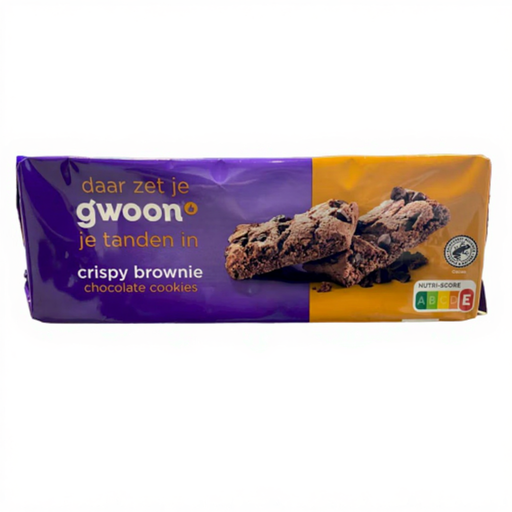
Why it suits this profile: A familiar 200-gram pack for coffee at home, a quick break or sharing, without having to choose a large multipack straight away.
The net weight is clearly stated. Compare the price per 100 grams and check the allergens: the product contains soya and may contain egg and nuts.
200 grams; crisp brownie-style biscuits; suitable for keeping in the cupboard and enjoying on several occasions.
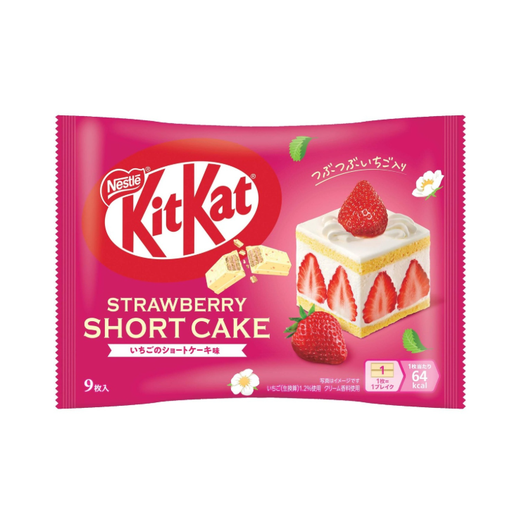
Why it suits this profile: Nine individually wrapped wafers make this Japanese flavour variant ideal for sampling, gifting or sharing.
The number of pieces and total weight are clearly stated. Store below 28 °C and take care with the chocolate coating in warm weather.
9 portions; wafer texture; strawberry juice and freeze-dried strawberry pieces according to the product description.
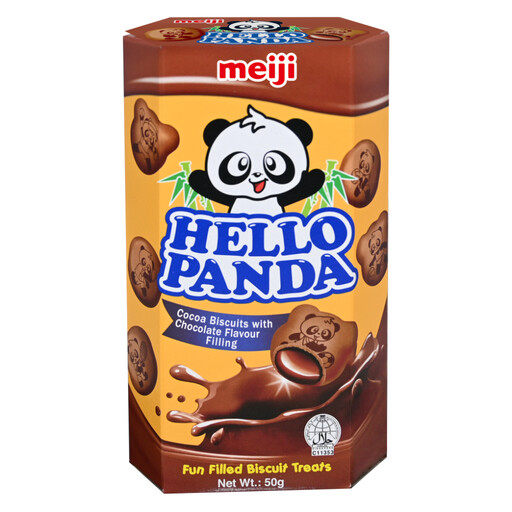
Why it suits this profile: The 50-gram portion is convenient for lunchboxes, treats and short breaks at school, work or while travelling.
The compact pack prevents a large bag from being left open for too long. However, check the allergens first when giving these to children: wheat, milk and soya.
50 grams; crisp biscuit with double chocolate filling according to the product name; easy to take with you.
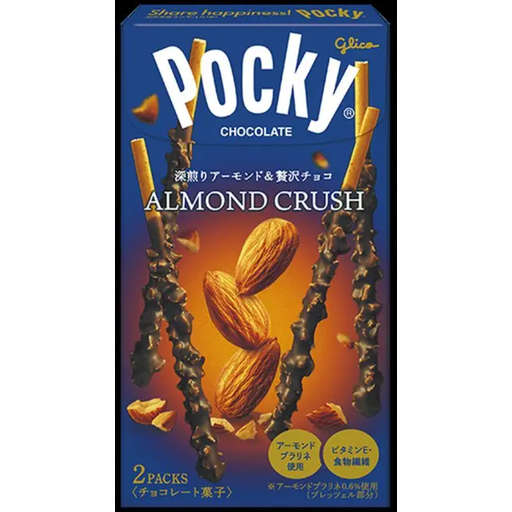
Why it suits this profile: Two packs of biscuit sticks are ideal for sharing, travelling or putting together an assortment of Pocky snacks.
The portion packaging limits exposure to moisture after opening. However, check the current packaging, as online product information may not be definitive or complete.
46.2 grams per pack; crisp sticks described as cookies and cream; suitable for taking with you.
We have put together a complete, up-to-date list of products that fully meet these strict selection criteria and the applicable European safety regulations.
Alongside classic biscuits, there are various textures to compare:
Store opened snacks somewhere cool and dry, away from direct sunlight. Chocolate can soften in warm conditions and develop a white bloom after setting again. According to KitKat Gold’s product information, this is caused by oil separation; the appearance and flavour may therefore change. Always follow the storage advice on the packaging.
Small, individually wrapped portions are usually the most practical. Options include Meiji Hello Panda 50 g, Tokimeki Panda 40 g, Meito Pukupukutai 16.5 g or Glico Pocky 46.2 g. They take up little space and do not need to be stored for long after opening.
Store them according to the label in a cool, dry place, away from direct sunlight and from heat and moisture. Seal an opened bag securely. With chocolate wafers, keeping them below the temperature limit stated on the packaging is important to help prevent melting and loss of quality.
Buy from a retailer that provides product information and identifies the responsible party. When your order arrives, check the ingredients, allergens, best-before date and storage instructions on the packaging. Information on a webshop can change or differ from the actual label; that label remains the practical reference before consumption.
