
Vandaag of morgen in huis

Kwaliteit gegarandeerd

Welkomstaanbiedingen ontgrendelen: GRATIS bezorging | Tot 80% korting | Gratis 30 dagen JoyPlus-proefperiode
Download de app
If you’re looking to buy chocolate biscuits online, you’ll soon find dozens of varieties: crunchy biscuits, filled chocolate biscuits, chocolate chip biscuits and snacks from Korea, Turkey and elsewhere. The packaging may make plenty of promises, but the most important differences are often in the small print.
This buying guide helps you compare chocolate biscuits by flavour, size, ingredients, allergens and when you plan to eat them. That way, you can find a snack that suits you at home, at school, at work, with tea or coffee, or on the go.
A chocolate-flavoured biscuit might contain real cocoa mass, cocoa powder, chocolate pieces or a chocolate alternative. For example, the product information for Binqi biscuit sticks lists a cocoa-flavoured coating made with a cocoa butter alternative. That’s different from a biscuit with a high proportion of real chocolate.
So check:
A family-size bag is handy for sharing, but once opened, the biscuits may go soft more quickly. Individually wrapped biscuits are often more practical for a lunchbox or bag. Don’t just compare the total price: check the net weight, number of portions and price per 100 grams too.
A 40-gram pack may be a better fit for a snack on the go, while 162 or 403 grams may make more sense when you’re entertaining or buying for a family.
Marketing language mainly describes the taste experience. For an objective comparison, check the nutrition table per 100 grams and per biscuit or pack. Also compare the sugar, fat and salt content when looking at different chocolate biscuits.
Product information and packaging may change, so always check the current label before eating.
In the Netherlands and the European Union, the main allergens must be clearly indicated. For many chocolate biscuits, these include wheat/gluten, milk, soya, egg, hazelnuts or sulphites.
Examples from the available product information:
If you have an allergy or intolerance, don’t rely on the product title or image alone. Always check the ingredients list and allergen information on the product page and packaging.
Texture plays a big part in when a biscuit is enjoyable:
Check the storage instructions too. Most varieties should be kept in a cool, dry place, away from direct sunlight. Once opened, sealing the pack securely helps preserve the texture and flavour for longer.
International snacks offer different shapes and flavour combinations. Think Korean snacks with biscuit sticks, Turkish cocoa biscuits or Asian snacks with playful shapes.
When choosing, consider:
A small pack is handy if you want to keep an eye on portion size. A multipack is a better choice if you want to serve the same snack regularly.
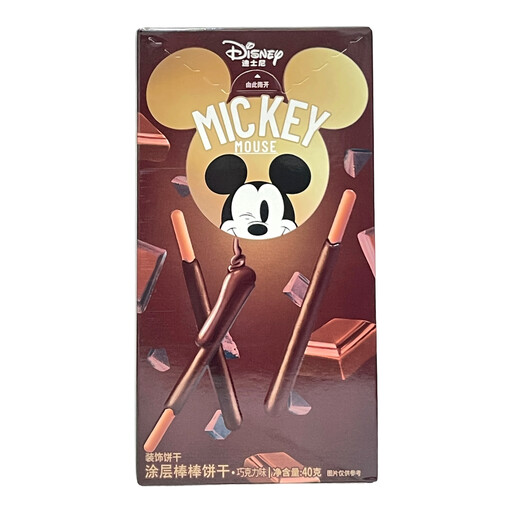
Why it suits this profile: The compact 40-gram pack is a good way to try biscuit sticks for the first time, or to enjoy a small snack at school, at work or on the go.
The product information clearly states the net weight, coating and allergens. This makes it clear that the coating is cocoa-flavoured, rather than necessarily being made with pure chocolate.
Individually wrapped, ready to eat and made with crunchy biscuit sticks. The product information states that each pack contains 40 grams.
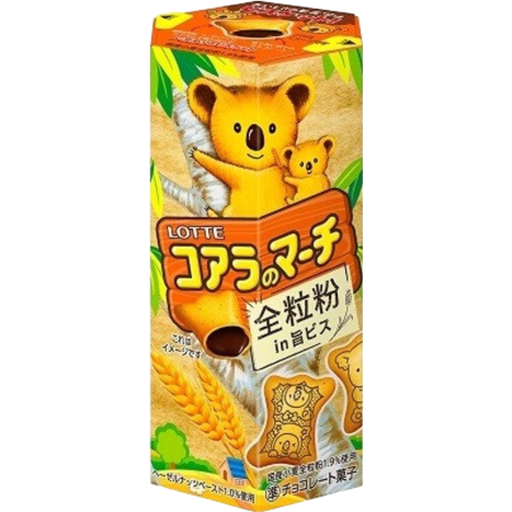
Why it suits this profile: The combination of a crunchy biscuit, chocolate cream filling and koala shapes makes this a good snack to share or enjoy with a coffee.
The product information lists the filling, wholemeal flour and allergens. This helps you distinguish the flavour, texture and ingredients from the appeal of the packaging alone.
46 grams per box, with a crunchy biscuit texture and chocolate cream filling. The allergen list includes wheat, egg, milk, soya and hazelnuts.
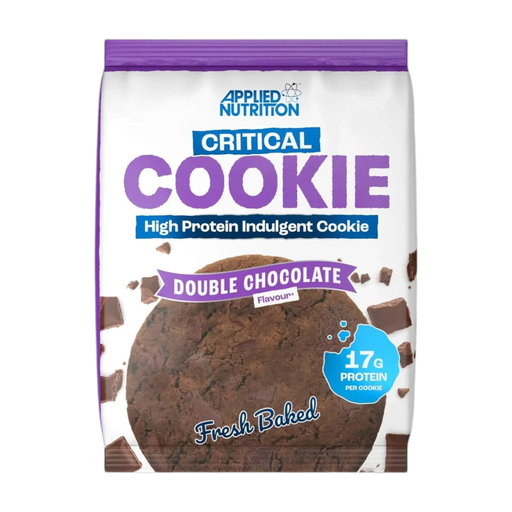
Why it suits this profile: This box of twelve individually wrapped soft-baked biscuits is ideal if you regularly take a substantial snack to the office, on the go or after a workout.
The pack size and nutrition information per biscuit are provided. This makes it easier to keep track of portions than with a large bag that isn’t individually portioned.
Soft-baked texture, 73 grams per biscuit and, according to the product information, 17 grams of protein per biscuit. Contains milk, whey and wheat; check the label before eating.
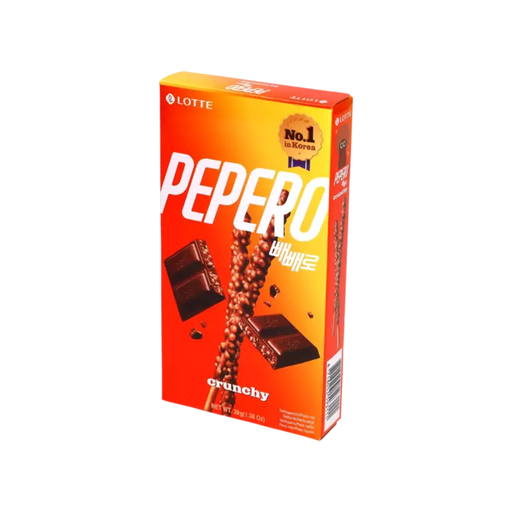
Why it suits this profile: This South Korean snack combines biscuit sticks, milk chocolate and puffed rice for a distinctly crunchy texture.
The product description specifically mentions the puffed rice and 39-gram pack size. So you know what kind of crunch and portion size to expect.
Crunchy sticks with puffed rice, individually wrapped and made in South Korea according to the product information. Contains wheat, milk and soya.
We’ve put together a complete, up-to-date list of products that meet these strict selection criteria and the applicable European safety requirements.
Small, individually wrapped varieties are practical for a bag, lunchbox or desk. Biscuit sticks weighing 39 or 40 grams are easy to take with you. Just check that the packaging stays sealed, and don’t leave chocolate in a warm car for long.
As a rule, store biscuits in a cool, dry place, away from direct sunlight and moisture, following the instructions on the pack. Seal an opened bag or box securely. Filled and coated biscuits may soften or lose their texture more quickly in warm conditions.
Compare the net weight, price per 100 grams and number of individual packs. A multipack can be handy if you eat them regularly, while a small pack may work out better value if you want to try a flavour first. Also consider the ingredients, allergens and texture you’re looking for.
